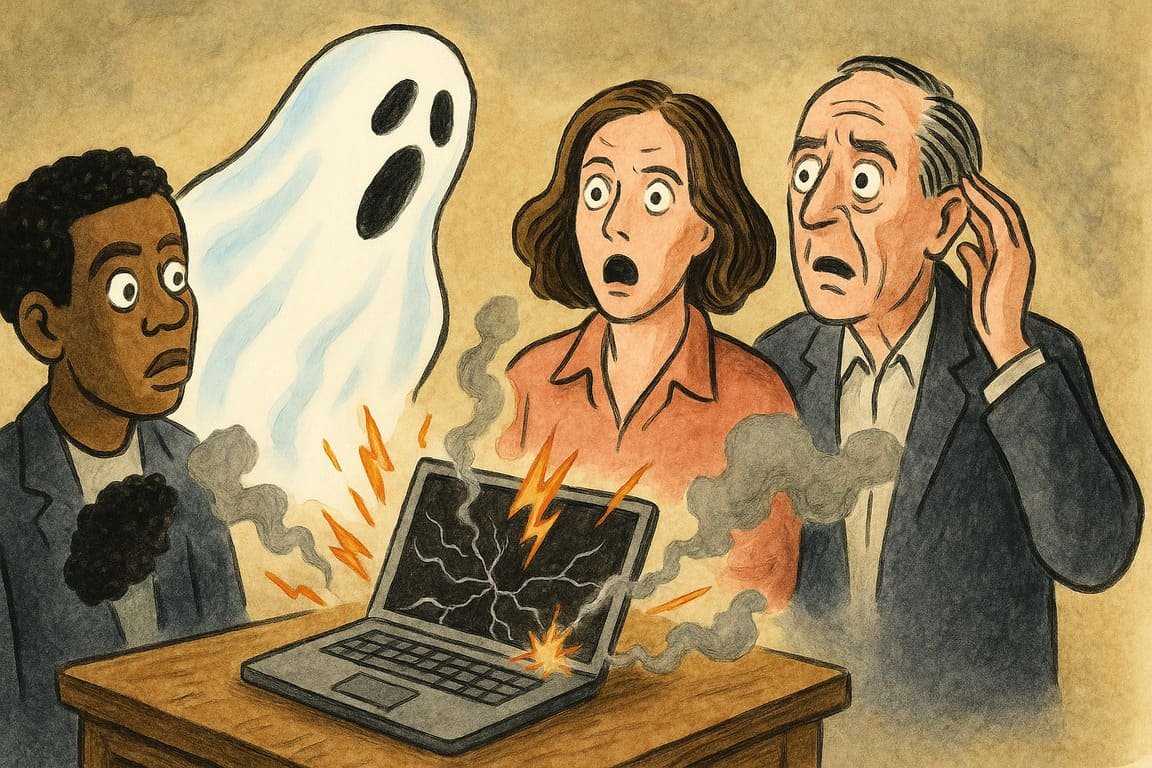
Control room monitors glimmered with reassuring green lights while customers across several cities wondered why payment terminals, ticket gates, and customer portals had all stopped responding at once. Every dashboard insisted normal operations continued, yet frustrated voices kept growing louder outside carefully managed screens. Confidence dissolved faster than electricity after lightning strikes a crowded skyline. Network failures rarely begin with dramatic explosions, they begin with tiny weaknesses hiding comfortably inside ordinary routines.
Modern digital services resemble living ecosystems rather than isolated machines. Cloud platforms exchange information with payment providers, identity services, communication tools, cybersecurity systems, and countless application interfaces that depend upon one another every second. One overlooked dependency can ripple everywhere. Organizations often discover that resilience depends less upon powerful technology than understanding how invisible connections behave under pressure when unexpected events interrupt normal operations.
Amazon Web Services has experienced outages that temporarily disrupted streaming platforms, business applications, retail services, and collaboration tools across industries because so many organizations share common infrastructure. CrowdStrike’s software update demonstrated another form of interconnected vulnerability when a faulty release affected millions of Windows devices worldwide, grounding flights and interrupting hospitals, banks, and businesses. Elena managed operations for a growing logistics company and watched delivery schedules collapse after one authentication service stopped responding. Every warehouse remained open, but nobody could access essential systems.
Experienced engineers rarely ask only what failed. They ask why surrounding safeguards failed to contain the damage. Netflix became widely respected for developing Chaos Engineering, deliberately introducing controlled failures into production environments so weaknesses appear during preparation instead of real emergencies. Ravi inherited an aging financial platform whose backups looked flawless on paper. During a routine recovery exercise, his team discovered critical restoration steps had never actually been tested, transforming an uncomfortable afternoon into a disaster quietly avoided.
Cloudflare built much of its reputation by strengthening internet reliability through globally distributed infrastructure that minimizes disruption when individual locations experience problems. Microsoft also invests heavily in redundancy, monitoring, and incident response because dependable digital services depend upon preparation rather than optimism. Reliable systems are rarely accidently reliable. They emerge from continuous testing, honest post-incident reviews, and leaders willing to expose uncomfortable weaknesses before customers discover them first.
Fog drifting across an empty suspension bridge can make sturdy steel appear fragile even when every cable remains firmly anchored beneath the mist. Digital infrastructure often feels equally mysterious because invisible connections support ordinary moments people barely notice until they disappear. Resilience grows through curiosity rather than certainty. Ask whether the strongest system is the one that never fails, or the one prepared to recover gracefully when failure inevitably arrives.
