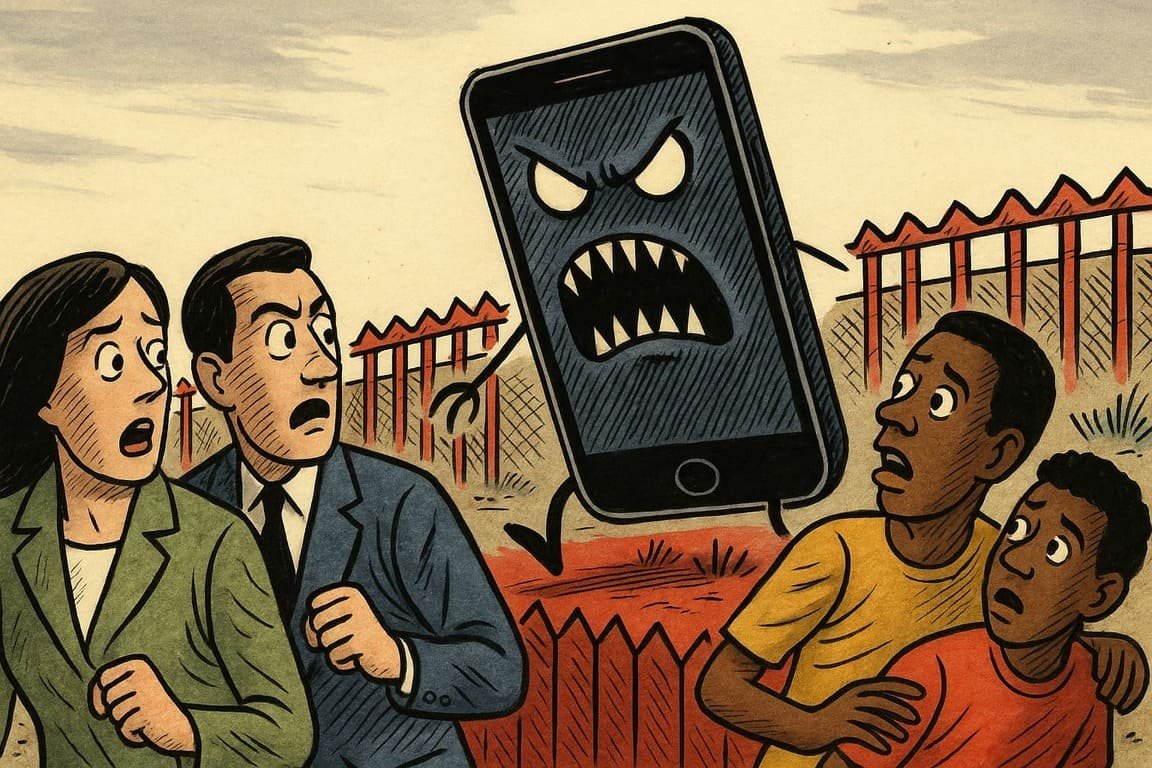
Metal shutters rattled outside a crowded city square while countless faces drifted beneath security cameras that never blinked. Nobody paused to notice them. A payment tapped across a phone, a smartwatch buzzed softly, a delivery scooter rolled past, and another invisible exchange joined an expanding digital trail. Everyday life felt perfectly ordinary. Yet ordinary moments increasingly cross invisible boundaries where private existence becomes shared information, often without anyone recognizing the exact moment that crossing occurs.
Boundaries once felt obvious. Home differed from work, conversations ended when people walked away, and personal memories faded naturally with time. Modern technology has blurred those lines until physical and digital worlds overlap almost continuously. Connected vehicles, wearable devices, smart homes, cloud platforms, and location services exchange information constantly because coordination creates convenience. That convenience carries remarkable benefits. It also dissolves distinctions that previous generations rarely questioned, leaving society to redraw borders that software can cross in milliseconds.
Microsoft built collaboration tools that allow global teams to work together across continents with astonishing ease. Tesla vehicles continuously collect operational data that improves performance, safety, and software updates throughout their lifecycles. Both examples reveal how connected ecosystems create enormous value through continuous feedback rather than isolated interactions. They also expose a difficult reality. Every new connection creates another pathway where information travels farther than its original purpose, making governance as important as innovation itself.
Priya installed smart sensors throughout her family home after reading glowing reviews about convenience and energy savings. Daily routines quickly became easier, yet she paused months later while reviewing an activity log that reconstructed household movements with remarkable precision. Across another industry, warehouse supervisor Mateo welcomed digital tracking because inventory errors almost disappeared. Then one employee quietly remarked, “Sometimes I feel measured more than trusted.” Productivity improved, but workplace conversations changed in subtle ways that spreadsheets never captured.
Crossing digital boundaries rarely arrives through malicious intent alone. Organizations pursue efficiency, personalization, automation, and resilience because customers expect faster service and fewer mistakes. Those ambitions are legitimate. Problems emerge when every technical possibility quietly becomes an accepted practice without thoughtful limits. Healthy systems recognize that capability does not automatically justify continuous expansion. Enduring trust depends upon preserving meaningful boundaries, even when technology possesses the power to erase them.
Fog gathered across an old suspension bridge where cables stretched confidently between two cliffs divided by rushing water below. Travelers crossed without noticing the engineering beneath their feet because confidence grows from structures that quietly hold their weight. Digital society now walks across similar bridges every day. Their strength depends less upon sophisticated software than upon thoughtful choices about where invisible lines should remain. Which border would you refuse to let technology cross, even if convenience begged otherwise?
