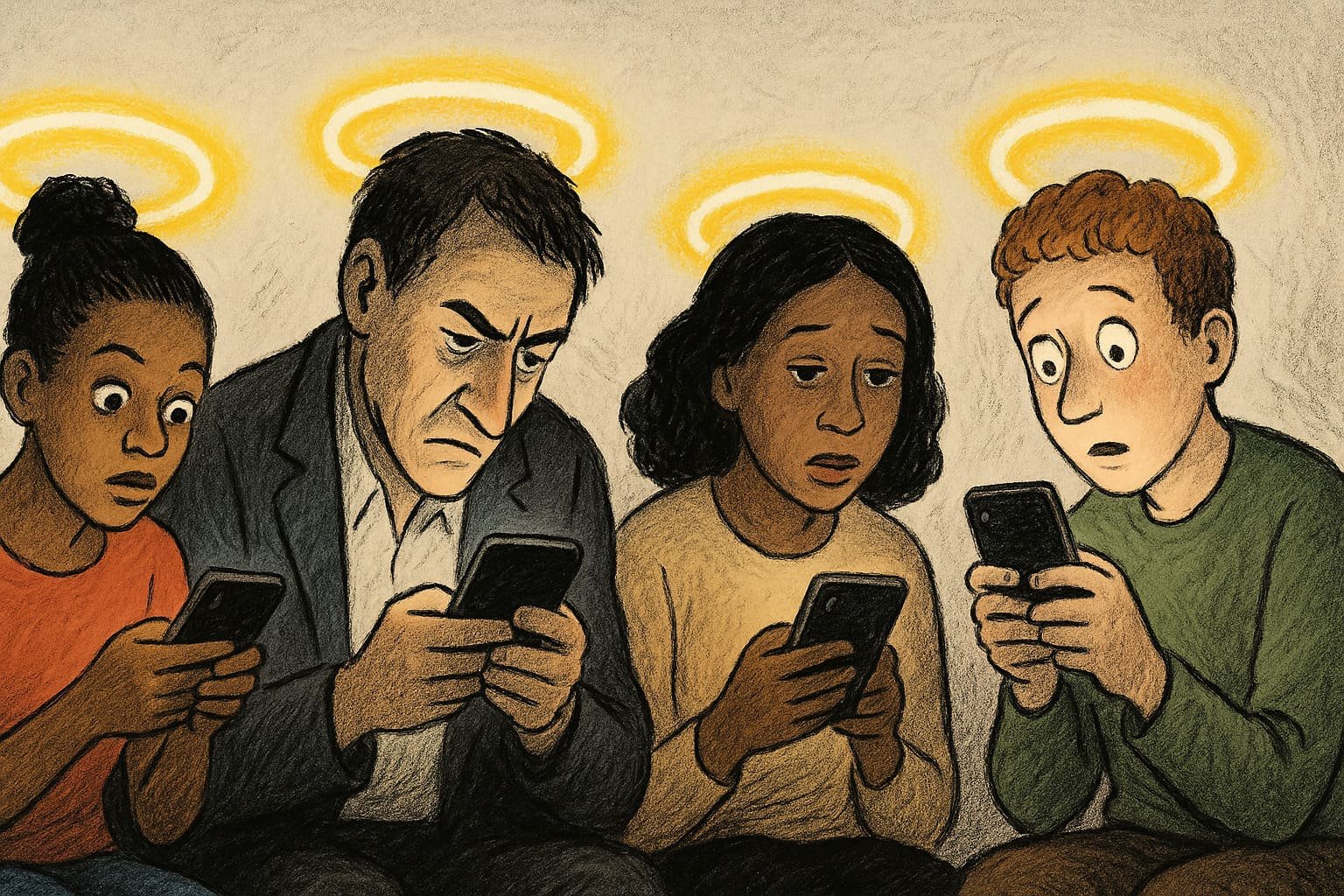
Thunder rolled above a packed subway carriage where every face bowed toward a glowing rectangle instead of another human being. Fingers danced with practiced precision, smiles appeared without conversation, and laughter arrived through tiny speakers rather than shared experience. Nobody looked trapped. That was precisely the illusion. Modern screens rarely demand attention by force because they have learned to make constant engagement feel like a personal choice rather than a carefully engineered habit.
People often blame devices for rising screen time, but hardware tells only a small part of the story. Real influence comes from ecosystems designed to reward repetition. Endless scrolling, autoplay, streaks, recommendation engines, and personalized notifications transform ordinary moments into opportunities for continuous engagement. Every interaction teaches the platform what captures curiosity. Every pause becomes another lesson. Over time, interfaces stop reacting to people and begin anticipating them with remarkable precision.
TikTok demonstrated how recommendation systems could outperform traditional social networks by understanding behavior instead of relying mainly on social connections. Netflix reached similar conclusions years earlier when personalized recommendations became central to viewer retention. During a product redesign, media strategist Camila noticed audience complaints about endless scrolling, yet engagement kept climbing. Viewers insisted they wanted fewer distractions while returning night after night because carefully tuned recommendations consistently removed the effort of deciding what came next.
That contradiction exposes a deeper challenge for organizations. Success increasingly depends on maximizing engagement, yet excessive engagement can weaken trust. Duolingo motivates learners through streaks and playful reminders that encourage consistency without hiding educational goals. Compare that with products that celebrate attention alone, regardless of personal benefit. Sustainable design asks a difficult question. Does an experience leave people feeling more capable after leaving, or simply more reluctant to leave at all?
History offers useful perspective. Television once inspired similar fears, followed by personal computers and smartphones. Each innovation reshaped habits before society gradually established healthier norms around their use. Today’s challenge feels different because adaptive algorithms improve continuously, learning from billions of interactions instead of fixed programming. Scholar Herbert Simon warned that abundant information creates a scarcity of attention. That observation feels remarkably relevant in an era where attention has become one of the world’s most valuable economic resources.
Fireflies drifted across a quiet lakeshore while forgotten phones rested untouched inside nearby bags, their silent screens reflecting stars instead of notifications. Real freedom rarely comes from rejecting technology altogether. It emerges through conscious ownership of attention, where tools remain faithful servants instead of persuasive masters. Every tap, swipe, and notification quietly shapes tomorrow’s habits long before tomorrow arrives. Decide carefully which screens deserve your devotion, because every habit is slowly designing the person who will eventually hold the device.
