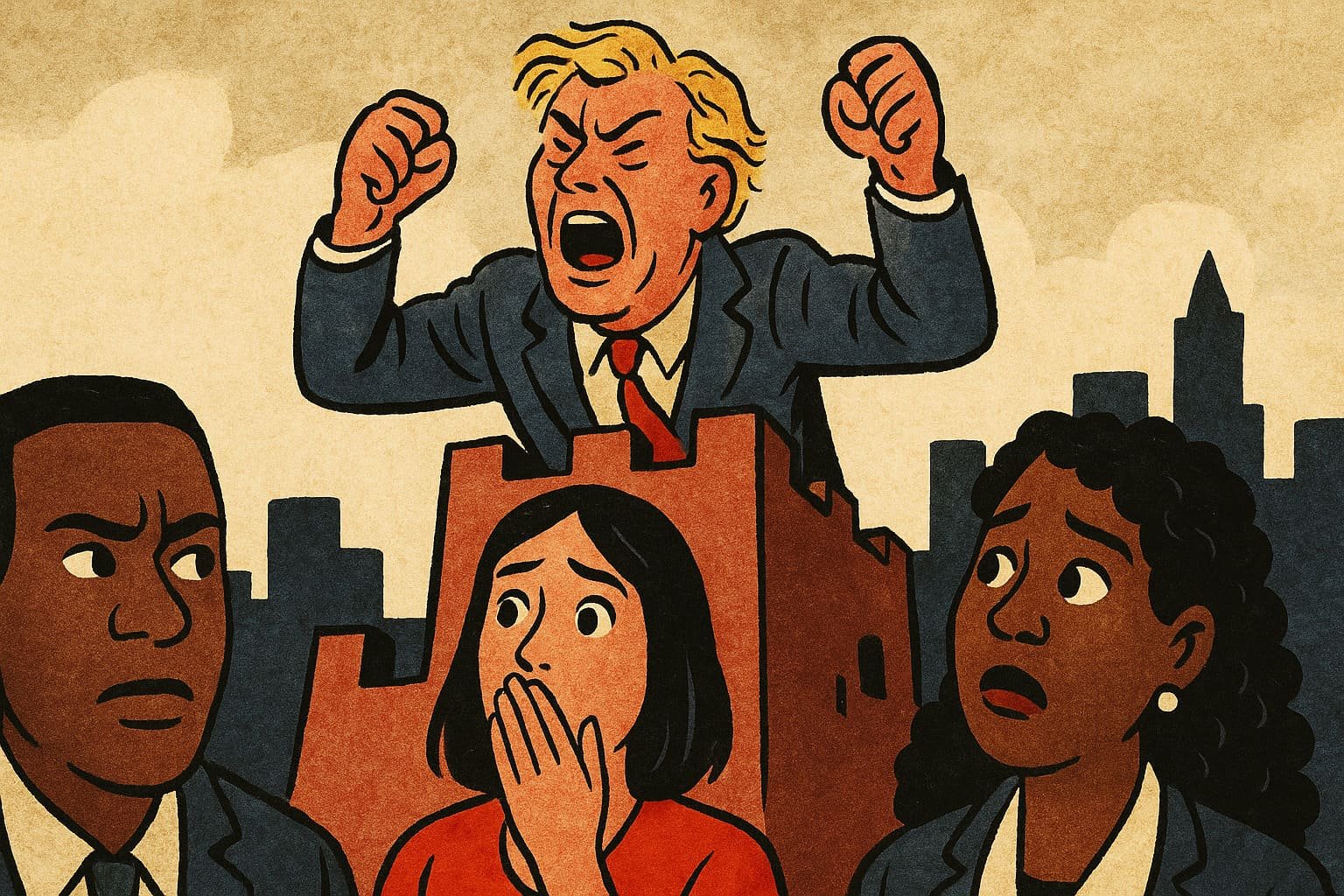
The applause arrived before the facts did. Inside a towering headquarters, a celebrated chief executive stepped onto the stage, greeted with standing ovations and cameras flashing like lightning across polished marble floors. Every confident smile suggested complete control. Yet hidden beneath the carefully rehearsed optimism sat an emotion no balance sheet could measure: fear. The greatest business empires are rarely built by spreadsheets alone. They rise because leaders understand emotions, harness them with precision, or become consumed by them when ambition quietly overwhelms wisdom.
Leadership has never been a purely rational exercise. Markets respond to numbers, but people respond to feelings. Every negotiation, promotion, investment, and strategic decision passes through human emotion before becoming business reality. Confidence inspires teams during uncertainty. Hope fuels innovation when resources appear scarce. Fear encourages preparation before crises emerge. Even frustration can become productive when directed toward solving meaningful problems. Organizations that pretend emotions do not belong in business often discover that unspoken feelings quietly dictate performance far more than official policies ever will.
Many executives spend years mastering finance, operations, and strategy while overlooking emotional intelligence. That oversight becomes expensive because leadership is fundamentally a relationship business. Employees rarely leave companies because of compensation alone. They leave because trust disappears, recognition fades, or psychological safety vanishes. Customers remain loyal for similar reasons. Products can often be copied. Technology eventually becomes outdated. Genuine emotional connection, however, remains remarkably difficult to imitate because it grows through consistent human behavior rather than marketing campaigns or expensive branding exercises.
Daniel inherited a manufacturing business after decades of family ownership. His instinct was to project relentless confidence during every challenge. When supply disruptions struck, he assured everyone that everything remained under control despite mounting operational problems. Factory supervisors recognized the disconnect immediately. Quiet anxiety spread across production lines. One evening Daniel gathered employees inside the warehouse, admitted the uncertainty honestly, invited practical suggestions, and listened without interruption. That conversation transformed morale. People stopped protecting themselves and started protecting the business together, creating solutions no consultant had previously suggested.
Real corporate transformations often reveal this same pattern. Satya Nadella reshaped Microsoft’s internal culture by encouraging empathy, curiosity, and continuous learning after years of internal competition. Former employees frequently described how the shift altered conversations as much as technology itself. Innovation accelerated because collaboration replaced territorial behavior. Emotional culture became a strategic asset rather than an abstract leadership slogan. The lesson reaches far beyond one organization. Sustainable competitive advantage often begins with the emotional environment leaders create before it appears inside financial statements or market share reports.
Popular culture often celebrates fearless heroes who never hesitate or doubt themselves. Business reality tells a different story. The strongest leaders usually acknowledge uncertainty while maintaining direction. They ask uncomfortable questions. They invite disagreement. They change course when evidence demands it. That humility strengthens authority rather than weakening it. Teams become more willing to contribute honest insights because leadership no longer feels like a performance. Ironically, vulnerability often produces greater confidence across an organization than relentless displays of certainty ever could.
Management thinker Warren Bennis once observed that leadership is the capacity to translate vision into reality. Hidden within that observation lies another truth. Vision only becomes reality when people choose to believe in the person communicating it. That belief cannot be purchased through incentives forever. It develops through repeated experiences of fairness, consistency, respect, and honesty. Emotional credibility becomes organizational capital. Companies with abundant emotional capital recover faster during crises because trust continues functioning when certainty disappears and external conditions become unpredictable.
Late in the evening, the executive floor grows strangely quiet. Presentation slides close. Performance dashboards stop refreshing. Empty conference rooms hold echoes of conversations that shaped careers without anyone realizing their significance at the time. The lasting measure of leadership was never the volume of applause or the size of an office. It was always the emotional legacy left inside people who continued building after the leader walked away. Ask yourself this: would your influence survive if your title disappeared tomorrow?
