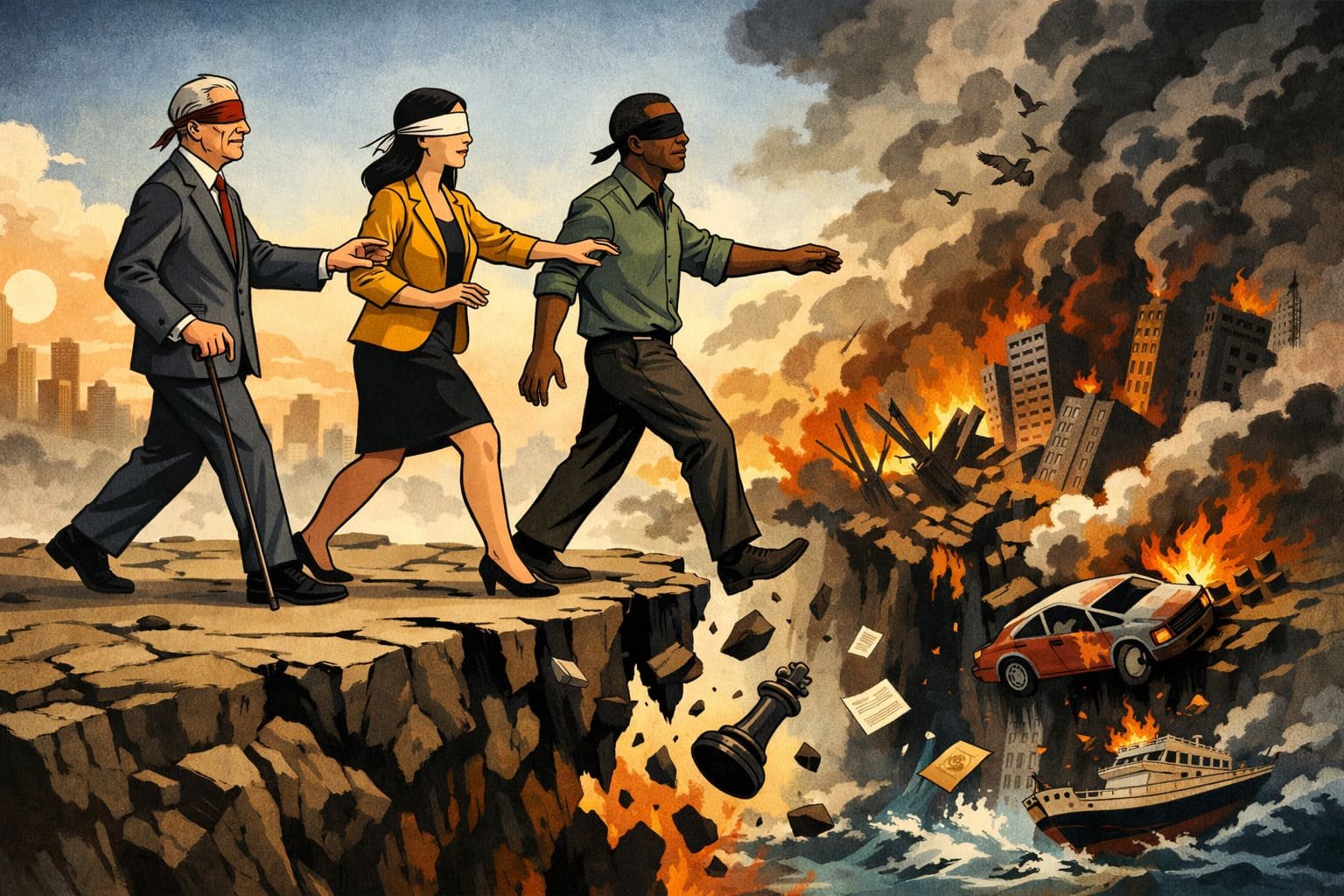
The skyscraper reflected the sunrise like a monument to certainty. Investors admired the glass façade, employees hurried through revolving doors, and executives celebrated another profitable quarter inside a polished boardroom. Everything looked invincible. Then a junior analyst quietly asked a question that nobody wanted to answer. “Where are we going after this?” The room fell strangely silent. Revenue had been growing. Direction had not. Companies rarely collapse because they lose money first. They begin declining when they lose sight of the future while remaining distracted by the comfort of the present.
Vision is one of the most misunderstood ideas in business. Many leaders confuse it with slogans hanging in reception areas or ambitious statements printed inside annual reports. Genuine vision is neither decoration nor marketing. It is the discipline of making today’s decisions according to tomorrow’s destination. Without that discipline, organizations become remarkably efficient at moving in circles. Teams work harder, meetings multiply, and projects accelerate, yet nobody pauses long enough to ask whether the company is actually moving toward something meaningful.
Weak vision creates invisible costs before financial losses appear. Employees struggle to prioritize because every initiative feels equally urgent. Departments compete instead of collaborating because nobody understands the broader mission. Customers receive inconsistent experiences because strategy changes with every new executive meeting. Eventually, talented people leave. They rarely resign because of hard work alone. They leave because uncertainty slowly replaces purpose. A business without direction quietly drains ambition from even its most capable professionals.
Healthcare entrepreneur Elias discovered this lesson after expanding his network of community clinics across several regions. Revenue continued rising, but every location seemed to pursue different priorities. One clinic emphasized affordability, another focused on premium services, while a third introduced products unrelated to the organization’s original purpose. During a leadership workshop, a receptionist said something unforgettable. “Every month feels like we’re joining a different company.” That simple observation forced the leadership team to redefine its mission with complete clarity. Growth became stronger because everyone finally understood where the organization was heading.
History offers countless reminders that vision shapes endurance. Steve Jobs repeatedly emphasized simplicity, design, and long-term thinking while guiding Apple through periods of extraordinary transformation. The products changed dramatically over time, yet the underlying vision remained remarkably consistent. Markets evolve. Technologies become obsolete. Organizations guided by a clear sense of purpose adapt far more confidently because they understand what should never change, even while everything else does.
Vision also influences culture in subtle but powerful ways. Teams with shared direction make faster decisions because priorities remain visible during uncertainty. Managers stop chasing every fashionable trend because they measure opportunities against a clear strategic destination. Innovation becomes more focused. Resources are invested with greater confidence. Vision therefore becomes more than inspiration. It acts as an operational filter separating meaningful progress from expensive distraction. Every disciplined choice quietly strengthens the organization’s future.
There is a dangerous belief circulating through many industries that agility has replaced long-term vision. The strongest businesses prove otherwise. Adaptability matters precisely because a destination already exists. Ships adjust their course when storms appear, but they never abandon the harbor they intended to reach. Organizations behaving differently often mistake constant movement for meaningful progress. Momentum without direction is merely sophisticated confusion disguised as productivity.
As evening settles over another city skyline, countless office lights continue glowing inside companies chasing tomorrow without fully understanding what tomorrow should become. The greatest danger rarely announces itself through dramatic failure. It arrives disguised as comfortable success drifting slowly away from purpose. Leadership begins with vision because people willingly follow those who know where they are going and why the journey matters. Ask yourself one difficult question: if your organization reached every goal planned this year, would it also arrive closer to the future it truly deserves?
