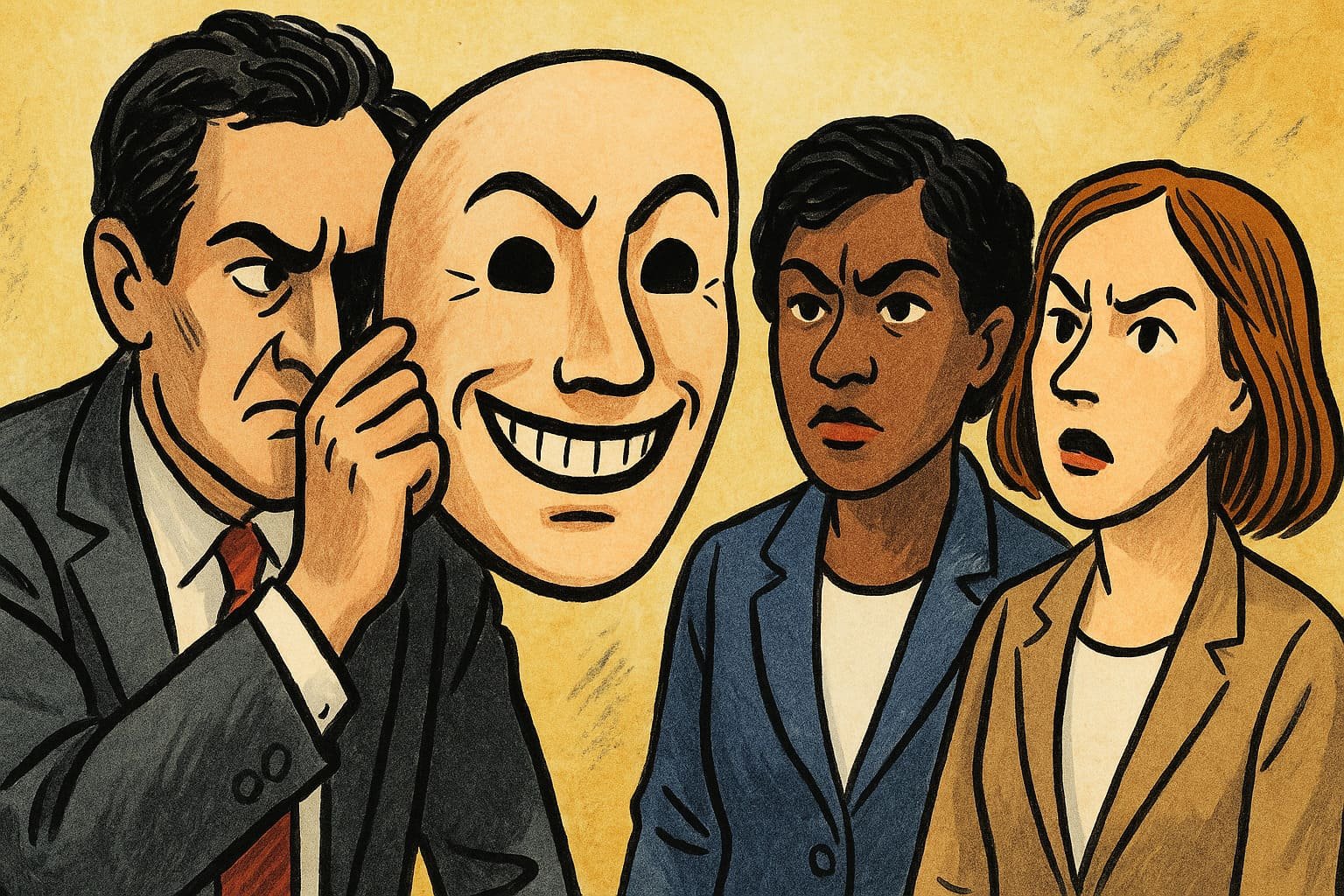
Behind every flashy pitch deck, influencer-backed product, or viral startup moment is a quieter truth: most of it is smoke and mirrors. Business today often feels like one giant stage play. Founders bluff traction, job seekers fluff resumes, and leaders bluff culture they don’t actually practice. But here’s the secret: the people and companies that win for the long haul are the ones who’ve ditched the lies. This article is a battle cry for truth in business; a reality check laced with real stories, sharp insights, and a call to build enterprises that don’t just survive, but deeply matter.
Faking it may get you the meeting, the click, or the round of funding. But it also builds a foundation so brittle that one gust of scrutiny can shatter it. Honesty, on the other hand, scales because truth compounds. It earns loyalty, attracts aligned people, and invites trust you can’t engineer with smoke. If you’re tired of bluffing your way through spreadsheets and pitch decks, this is your blueprint for building something that doesn’t collapse under its own hype.
So let’s break the illusion. Let’s challenge the myth that pretending is profitable. Let’s ask the harder questions: What happens when you build a business that doesn’t need an exit strategy to justify its existence? What if integrity not impression is your greatest growth hack?
Quick Notes
- Truth Outlasts Hype: While pretending can offer short-term wins, only businesses built on honesty sustain momentum, loyalty, and growth.
- Authenticity Attracts Quality: Realness isn’t a branding trick; it’s a magnet for top-tier clients, partners, and employees.
- Fakes Fail Publicly: The more you fake, the bigger the backlash when truth catches up. Long-term trust is built, not spun.
- The Lie Tax Is Real: Every exaggeration is a debt you must repay later; in reputation, legal trouble, or lost opportunity.
- Truth Pays Dividends: Companies rooted in transparency make better decisions, nurture lasting cultures, and win loyalty no ad spend can buy.
The House of Cards Economy: How Pretending Became Strategy
We’ve glamorized hustle culture so hard that performance has replaced purpose. Startup founders boast of rounds raised, not problems solved. Product launches are choreographed before the product even exists. Behind it all is a culture addicted to appearances, where saying the right thing is more important than doing the right thing. But business isn’t theater; it’s architecture. And when the scaffolding is lies, collapse is inevitable.
Take Theranos. It wasn’t just a fraud; it was a symptom. A system that prized valuation over validation. A culture where hype trumped health outcomes. It’s easy to point fingers at Elizabeth Holmes, but harder to confront the boardrooms and media that rewarded the illusion. That same pattern plays out every day in smaller, quieter ways; in fake testimonials, photoshopped metrics, and job titles designed to impress, not describe.
Faking is seductive because it works in the short term. It can unlock press, partnerships, even investor interest. But every false claim is a time bomb. Each one makes your next move harder to justify. And when the truth finally surfaces, your credibility isn’t dented; it’s obliterated.
The irony? Real results aren’t even that much harder to earn. What they require is consistency, integrity, and a willingness to delay applause. But that’s the thing: in a world drunk on likes, patience is rebellion. And it’s exactly what sets you apart.
So stop selling the illusion. Build something so good it doesn’t need a costume. Hype fades. Substance scales.
The Truth Is Your Brand: Integrity As A Growth Strategy
In a landscape flooded with promises, truth becomes your loudest differentiator. Being real isn’t just morally correct; it’s strategically genius. Authenticity cuts through noise because it’s rare. People crave what they can trust. And when your actions match your words, every customer interaction becomes a credibility deposit.
Let’s talk about Patagonia. The brand doesn’t need neon sales ads or influencer gimmicks. It leads with honesty; donating profits, revealing supply chain issues, and even discouraging unnecessary purchases. That kind of radical transparency doesn’t weaken sales; it strengthens loyalty. People respect a business that respects them back. It’s a relationship, not a transaction.
Startups, take note: your origin story doesn’t need to be rags-to-riches. Just tell the truth. “We’re building this because we saw a problem” is far more compelling than “We’re disrupting an industry.” When you admit what you don’t know and own what you’re learning, people root for you. That creates community; not just customer bases.
Truthful branding isn’t about confessing your flaws. It’s about aligning your external message with your internal values. It’s about saying “no” to strategies that might sell today but sabotage tomorrow. And when you do that consistently, something magical happens: your brand becomes a beacon for people who believe what you believe.
So forget the curated aesthetic. Your most powerful brand asset is your honesty. And unlike logos, that never goes out of style.
The Cost of Faking: Why Every Lie Has a Payback
Every business lie is a loan with interest. The more you fake, the more fragile your enterprise becomes. You’re not just risking credibility; you’re setting fire to opportunity. False numbers lead to bad strategy. Exaggerated promises create impossible expectations.
Consider WeWork. Its meteoric rise was fueled by a narrative that masked reality. Lofty valuations masked operational chaos. Culture was a costume, not a core. And when scrutiny arrived, the whole illusion disintegrated, taking jobs, investments, and reputations with it. The damage wasn’t just internal; it shook an entire sector’s credibility.
On a smaller scale, the same math applies. A fake testimonial may land you a client, but lose you five when word gets out. A bloated resume might get you in the door, but sabotage you in delivery. Lies always leave breadcrumbs, and the internet never forgets.
But the greatest cost? Emotional burnout. Keeping up a façade is exhausting. It drains creative energy, fosters paranoia, and distances you from authentic alignment. You start to wonder if people like your product or just the version you’ve pretended to be.
The truth, on the other hand, is liberating. It aligns your story with your strategy. It allows you to sleep at night and focus on what actually works. So ask yourself: what lie are you still carrying and what would your business look like without it?
Winning With Reality: Proof That Honest Businesses Scale
Honesty isn’t a liability; it’s leverage. Businesses that embrace transparency attract better talent, enjoy stronger customer loyalty, and navigate crises with grace. People don’t expect perfection. They expect consistency. And when your brand shows up with humanity, it becomes unforgettable.
Look at Basecamp. The company famously rejects hustle culture, limits working hours, and prioritizes calm over chaos. They’ve been critiqued for their unorthodox approach, but the results speak volumes: a focused team, clear values, and a product that thrives without the pressure to constantly perform. By choosing reality over razzle-dazzle, they’ve built a resilient culture and a lasting legacy.
Or take the story of Mailchimp. For years, the company quietly grew without taking VC money. No massive press releases, no explosive marketing stunts. Just steady growth, customer obsession, and product innovation. That quiet confidence became their superpower. And when they exited, it wasn’t a surprise; it was a masterclass.
These aren’t outliers. They’re reminders that the long game always rewards the truth. In a business world obsessed with velocity, truth is the ultimate competitive edge. It’s not slower. It’s smarter.
So stop looking for hacks. Build trust, not tactics. Because when the noise fades, all that remains is reputation and results.
The New Power Play: Truth as a Cultural Superweapon
Truth isn’t just a personal virtue. It’s a culture builder. Teams led with transparency perform better, stay longer, and innovate faster. When leaders ditch the bravado and own both wins and wounds, they create safety. And safety is the soil where greatness grows.
Netflix’s culture deck became famous not because it was flashy but because it was real. It painted a clear picture of what working there meant. No spin. Just standards. That honesty attracted the kind of talent who didn’t just fit the culture; they expanded it. And when missteps happened, they owned them publicly. That didn’t weaken their brand; it fortified it.
Inside your team, truth looks like clarity. Clear expectations. Honest feedback. Transparent decision-making. It’s not easy but it’s effective. People crave environments where they don’t have to decode politics or second-guess motives. They want to build. Let them.
Externally, truth breeds alignment. Customers don’t just buy what you sell; they believe how you sell it. Truthful marketing tells them, “We see you. We respect your intelligence. We’re in this together.”
So if you want to build a culture that outlasts trends, begin with truth. It’s not just an ethical choice. It’s an exponential one.
The End of the Mask: and the Start of Meaning
Faking your way through business might get you applause. But it won’t get you legacy. The lie always leaks. The mask always slips. And when it does, all the branding in the world can’t save what was never real to begin with.
But honesty? That’s unshakable. It builds slow but it builds deep. It forms the kind of business that doesn’t just survive scrutiny; it invites it. And that’s where true power lives. Not in illusion. Not in impressions. But in impact.
You don’t need a flashy pitch. You need a real product. You don’t need viral tricks. You need loyal users. You don’t need the right words. You need the right actions.
So if you’re ready to stop faking it, here’s your next move: tell the truth, even when it’s inconvenient. Especially when it’s inconvenient. Because in a world addicted to image, honesty is rebellion. And rebellion is how revolutions start.
So ask yourself: Are you building a business that would still stand if the truth came out tomorrow?
