Fluorescent light shimmered across an airport terminal where hundreds of strangers drifted past one another without exchanging a word. Every traveler appeared anonymous. Yet invisible calculations quietly assigned probabilities to destinations, preferences, purchasing habits, and intentions before boarding announcements echoed through the building. That unsettling contrast captures a remarkable shift in modern computing. Machines no longer focus solely on understanding commands. They are increasingly learning to anticipate motives hidden beneath ordinary behavior.
Prediction has become more valuable than reaction because digital services compete by removing friction before users notice it. Recommendation engines no longer simply respond after someone clicks. They examine timing, hesitation, scrolling patterns, abandoned searches, and countless tiny signals that collectively reveal likely intentions. Those fragments resemble scattered puzzle pieces. Once assembled, they often describe future decisions with surprising accuracy, creating experiences that feel almost conversational despite relying entirely upon statistical inference rather than genuine understanding.
Netflix transformed entertainment by studying viewing behavior deeply enough to recommend stories that audiences frequently discover before friends suggest them. Amazon refined online shopping by predicting purchases through browsing history, wish lists, seasonal habits, and purchasing rhythms that often appear disconnected individually. Neither company reads minds. Instead, each demonstrates how intelligent interpretation emerges when countless ordinary actions form recognizable behavioral patterns. Machines succeed because people unknowingly reveal preferences through consistency rather than dramatic declarations.
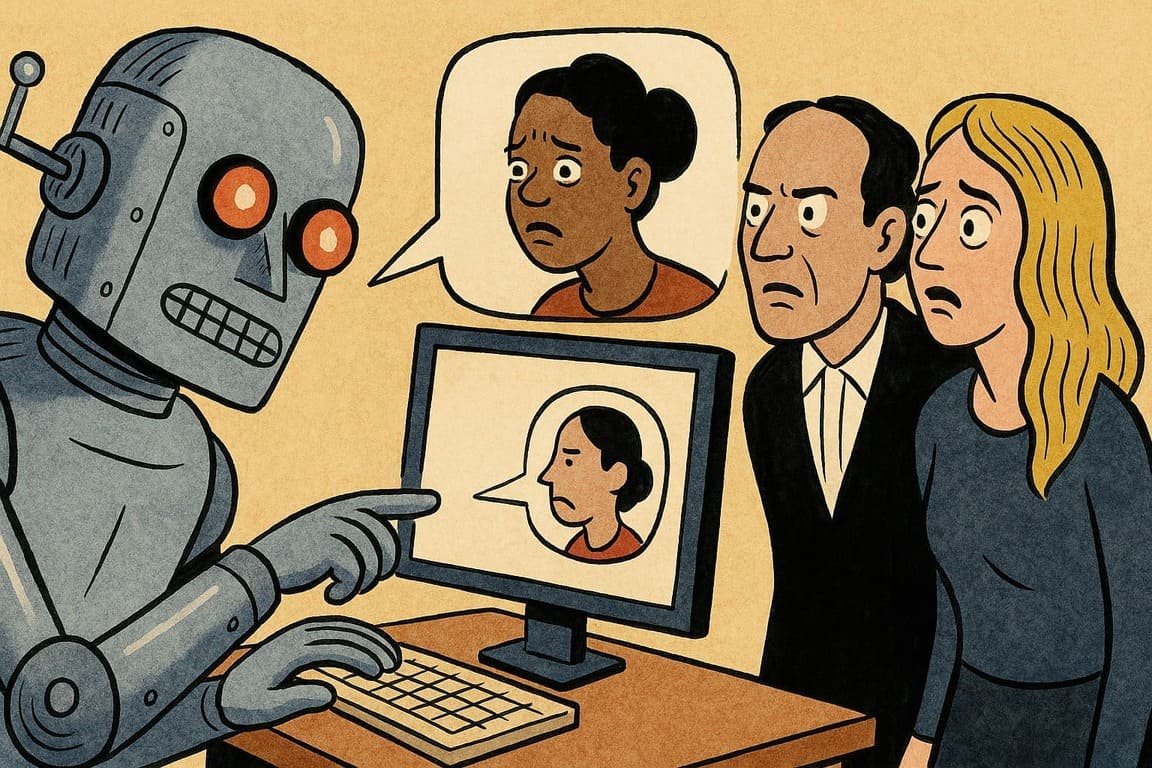
Elias visited several travel websites without completing a booking because uncertainty lingered over family finances. Days later, discounted hotel offers, destination videos, and luggage promotions appeared almost everywhere online, creating an odd feeling that unfinished thoughts had escaped private reflection. Meanwhile, Sofia managed customer support for a regional insurance company where predictive software highlighted callers likely to cancel policies before frustration surfaced openly. Her team responded earlier, relationships improved, and complaints quietly declined because anticipation replaced delayed reaction.
Remarkable opportunities emerge from this capability. Healthcare platforms can identify deteriorating conditions sooner through changing behavior, financial institutions can detect suspicious transactions before losses escalate, and manufacturers can anticipate equipment failures before production stops. Those advances save money, strengthen services, and reduce unnecessary disruption. Yet another question grows louder with every improvement. When predictive accuracy becomes extraordinary, society must distinguish between helpful assistance and subtle influence because expectation can gradually shape decisions instead of merely forecasting them.
Spotlights faded inside an empty theater while rows of vacant seats faced a stage waiting for another performance, though no actors remained beneath the velvet curtain. Scripts alone never created memorable stories. Interpretation always breathed life into every scene. Intelligent machines now perform their own version of interpretation, drawing meaning from patterns that once seemed insignificant. Their growing skill invites admiration and caution in equal measure. Perhaps wisdom begins when people remember that understanding behavior is never identical to understanding humanity.
