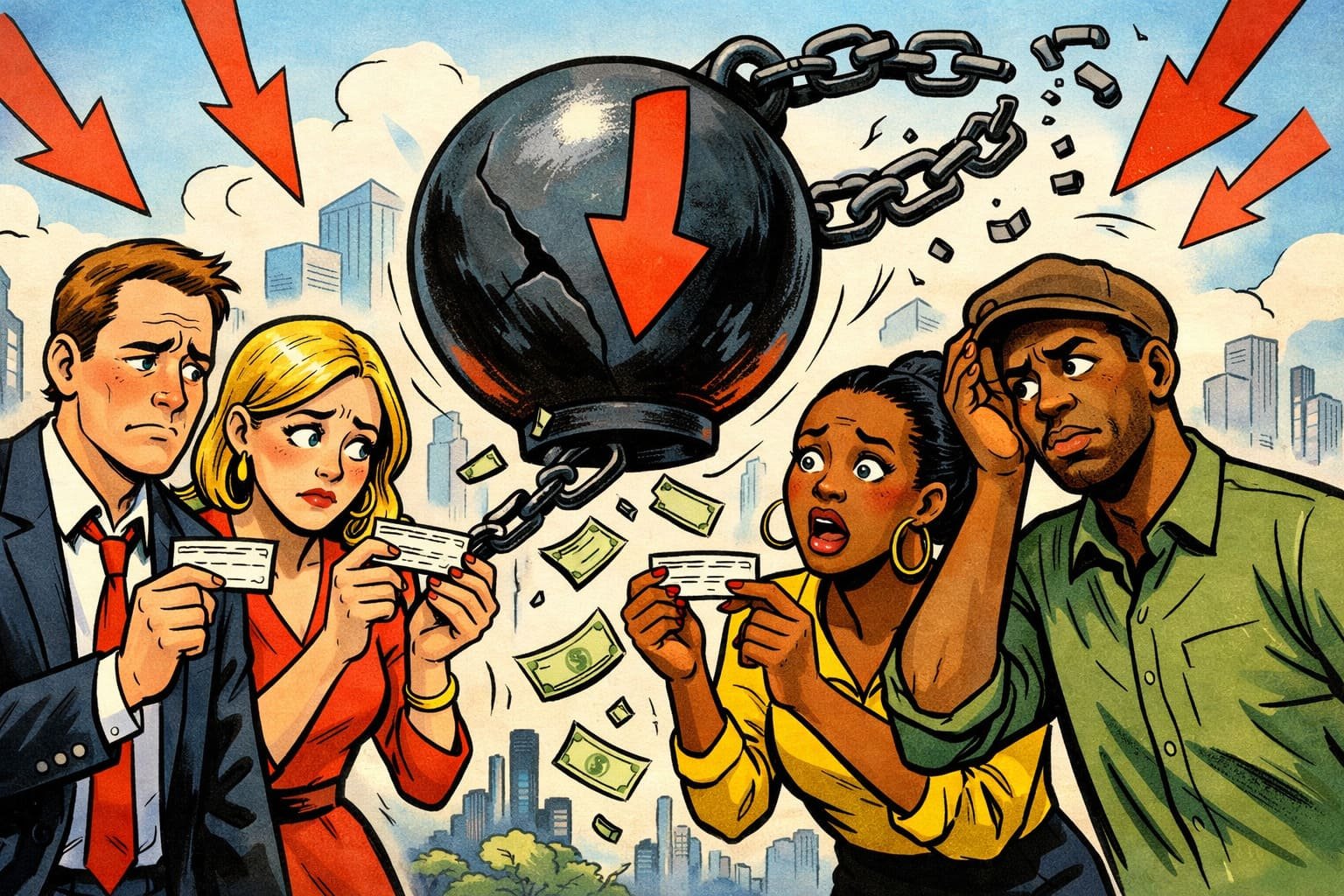
An office elevator opens onto a floor that still glows with polished desks and humming laptops, yet conversations sound different. Hiring freezes replace celebration. Recruiters who once chased talent now answer anxious emails from applicants refreshing job boards before breakfast. Labor markets rarely collapse in dramatic fashion. They soften quietly, almost politely, until shrinking opportunities begin changing household budgets, corporate strategy, and national economic confidence all at once.
Employment has always been more than a monthly statistic. Strong labor markets encourage spending because workers believe another opportunity exists if circumstances change. Confidence fuels borrowing, investment, and entrepreneurship. When hiring slows, that confidence fades surprisingly fast. Businesses postpone expansion, families delay major purchases, and graduates discover that impressive qualifications no longer guarantee immediate offers. A softer labor market is less about unemployment alone and more about declining bargaining power, weaker wage growth, and growing uncertainty across entire economies.
Financial statements often reveal these changes before headlines do. Companies anticipating slower demand begin protecting cash through cautious recruitment, reduced overtime, and tighter operating budgets. Executives focus less on expansion and more on productivity, preserving margins while preparing for uncertain conditions. Microsoft, Amazon, and Salesforce each demonstrated during recent economic adjustments that even highly profitable organizations sometimes reduce hiring or restructure teams when future revenue becomes harder to predict. Strong balance sheets encourage discipline rather than complacency.
Daniel supervised a regional logistics company where warehouse shifts had once filled within hours. Months later, applications multiplied while customer orders arrived less frequently, forcing managers to reconsider staffing plans with visible discomfort. Rather than broad layoffs, Daniel invested in cross-training employees so fewer people could handle wider responsibilities without sacrificing service quality. Workers appreciated honest communication, even when salary increases became modest. Trust proved surprisingly valuable when financial flexibility became increasingly scarce.
Labor markets influence accounting decisions in subtle but powerful ways. Slower wage growth can ease operating expenses, yet weaker household income often reduces consumer demand, placing pressure on future revenue. Investors therefore examine employment trends alongside inflation, productivity, and interest rates because those indicators collectively shape earnings expectations. Nobel Prize-winning economist Edmund Phelps argued that vibrant labor markets depend not only on employment levels but also on innovation that continuously creates productive opportunities. Healthy economies reward adaptability more consistently than permanence.
City lights flicker across crowded commuter trains carrying people home with thoughts rarely shared aloud. Every resume updated after dinner, every postponed career move, and every careful household budget reflects an invisible adjustment unfolding beneath economic statistics. Labor markets never simply determine who gets hired next. They influence confidence, ambition, investment, and the rhythm of everyday life with remarkable precision. Careers may bend with changing conditions, yet resilience often becomes the most valuable paycheck of all.
