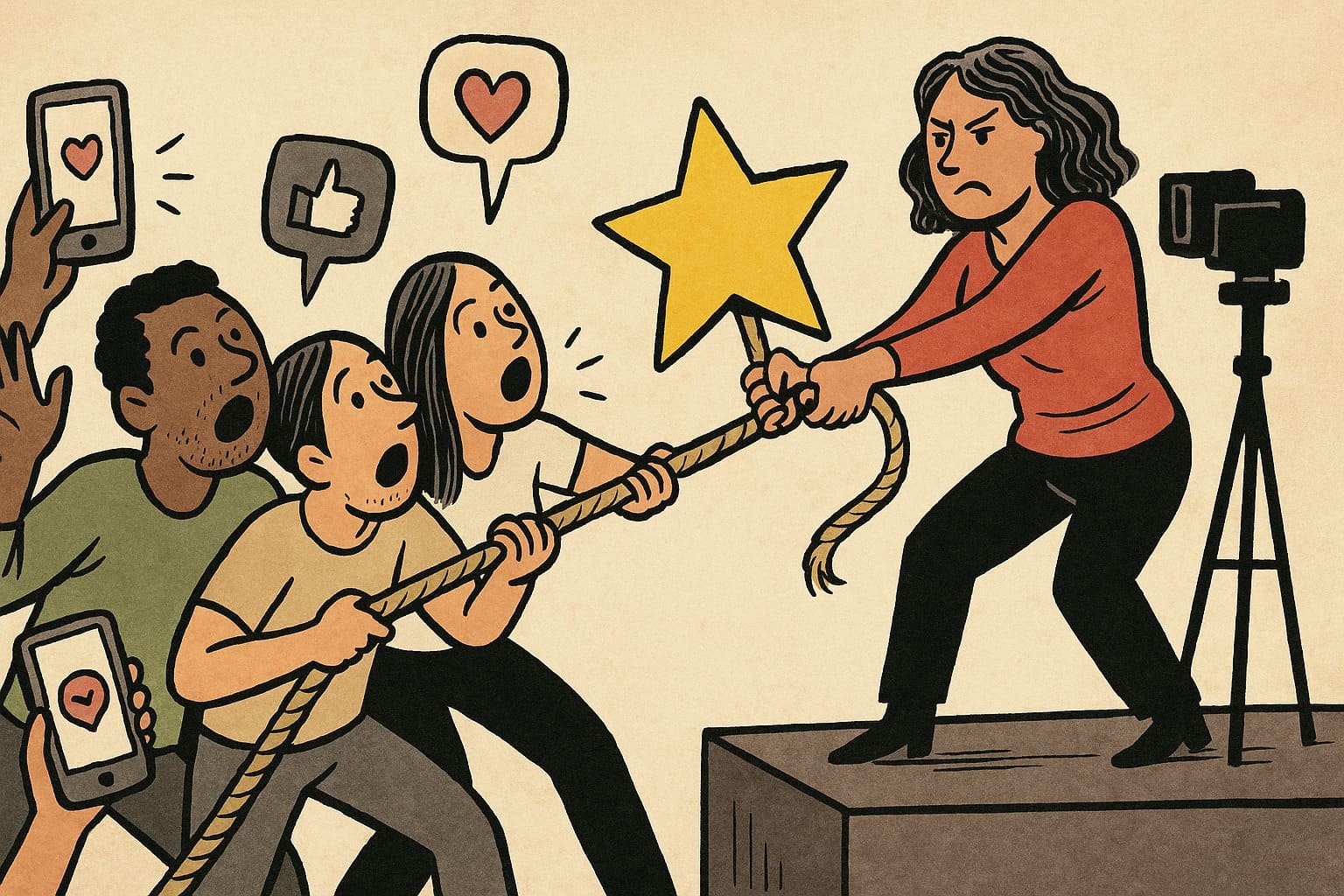
You can almost hear the algorithms scream. One side craves viral fame, counting likes like loose change. The other side? Fans who fund your dreams, wear your merch, and stick with you long after the hype train derails. Here’s the unfiltered truth: in the creator economy, content isn’t just king; it’s the entire kingdom. But the battle over what kind of content reigns supreme; chasing fame or cultivating fans, has become a quiet war with billion-dollar consequences. This article cuts through the smoke and lights to ask the hard question: In a world built on clicks and conversions, who really wins?
Quick Notes
- Fame Can Be Fleeting, Fans Pay the Rent: Viral fame may skyrocket exposure, but long-term income usually comes from fan loyalty and community.
- Algorithm Worship Is A Trap: Platforms reward engagement, not impact. Fame chasers get short bursts of attention, but rarely build equity.
- Community Is The New Currency: Those who invest in meaningful relationships with their audience can monetize through trust and continuity.
- Case Studies Prove It: Content creators like Marques Brownlee or Ali Abdaal show that deep connection outlasts trending soundbites.
- Fiscal Wisdom Demands Loyalty: From a financial view, a small devoted audience brings higher ROI than a massive disengaged one.
Viral Fantasy or Valuable Fans? The Monetization Myth
Every creator has chased virality at least once. It’s intoxicating. A single tweet, a TikTok dance, a 30-second reel might make you a household name overnight. But fiscal truth doesn’t lie: fame without monetization is a hollow crown. Viral videos often bring millions of views but leave creators with little to no financial return unless paired with strategy.
Take Rebecca Black’s “Friday” moment; a massive wave of attention with minimal long-term impact. Compare that to Kevin Kelly’s legendary “1,000 True Fans” theory, which argues that real income is built on loyal patrons. Fans buy courses, attend meetups, purchase exclusive merch, and share your work like gospel. That kind of love doesn’t evaporate when the algorithm changes. It’s a fiscal relationship, not a momentary thrill.
Creators chasing fame often forget to build systems around that attention. Without an email list, digital product, or premium tier, fame is just expensive exposure. On the other hand, fans provide compound interest. Each one adds incremental value through repeat engagement and word-of-mouth referrals. Fame may bring a crowd, but fans bring conversion.
When you peel back the numbers, the difference is staggering. Fame delivers attention spikes that flatten quickly. Fans deliver steady cash flow that sustains operations, content creation, and innovation. If your content strategy lacks loyalty architecture, you’re building on sand. That might look pretty on the outside, but it doesn’t hold up.
Engagement Versus Obsession: The Cost of Chasing Attention
Attention is the most addictive drug in the digital economy. The dopamine hit from views, comments, and shares creates a psychological loop that’s hard to break. But from a fiscal standpoint, it’s often a poor investment. Many creators burn themselves out trying to feed an algorithm instead of cultivating relationships. That’s like renting ad space on a billboard no one remembers tomorrow.
The obsession with vanity metrics means creators prioritize performance over purpose. When content becomes tailored for what works instead of what matters, the soul of creativity gets lost. Even worse, it sets the stage for burnout, inconsistency, and emotional exhaustion. It’s not sustainable; not financially, not mentally.
Consider the rise of commentary channels that thrived on drama. The audience was large, but volatile. Once the creator failed to stir controversy, their metrics dropped. No financial model can thrive on instability. Revenue consistency relies on predictability, which only loyal fans can provide.
Fame seekers often miss the bigger picture: platforms like YouTube, TikTok, and Instagram profit from your output, not your wellbeing. When the algorithm shifts, they lose nothing; you lose everything. Fans, however, migrate with you. They follow your Substack, support your Patreon, buy your ebook, and defend your brand in forums. Fame is temporary real estate. Fans are long-term capital.
Case Study Central: Where Real Creators Cash In
Look no further than Marques Brownlee (MKBHD). He didn’t build his empire on virality; he built it on trust. His tech reviews are consistent, thoughtful, and community-driven. Brands line up to work with him not because of occasional spikes but because of the solid foundation he’s built over a decade. That’s not just brand equity; it’s financial equity.
Contrast that with the quick rise of TikTok stars who struggle to transition to other platforms. Their content thrives in a specific medium but lacks depth and flexibility. The audience doesn’t follow them across formats or support long-term products. Fame failed to translate into financial independence.
Another stellar example is Ali Abdaal, who turned YouTube content into a seven-figure business built on courses, books, and mentorship. He speaks directly to fans, not fame. His revenue comes from loyalty loops, not algorithmic luck. His success is grounded in systems, not shout-outs.
Smaller creators also demonstrate the model. Niche podcasters, indie newsletter writers, and handmade craft sellers who focus on their micro-audience often outperform mega influencers in revenue per follower. Why? Because their audience feels seen. And when people feel seen, they support.
These real-world examples prove one thing clearly: the path to sustainable financial freedom in content creation lies not in trending dances or viral skits but in trust, consistency, and community. Fame flickers. Fans fund futures.
Community > Clout: Why Trust Builds Bankability
Clout can buy you access to rooms. Community gets you a key to the kingdom. When creators foster two-way relationships, they build emotional equity that translates into economic gain. Fiscal power grows when audiences feel connected, not entertained. Trust monetizes better than trend.
Community-first creators build ecosystems. They offer exclusive content, host live Q&As, launch products built from audience feedback, and share behind-the-scenes access. This fosters not only deeper engagement but higher willingness to spend. You’re not selling a product. You’re selling belonging.
The gaming community has shown this repeatedly. Look at creators like Valkyrae or Ludwig. Their audience doesn’t just watch; they participate. That loyalty has opened doors to equity deals, brand ownership, and diversified revenue streams. It’s not just content; it’s commerce rooted in community.
Fans who feel valued become brand evangelists. They recruit others, shield creators from scandals, and provide critical feedback. They become an unpaid sales force. And unlike ad algorithms that charge per click, fans click without cost. That’s a fiscal miracle too few creators exploit.
Creators who neglect community do so at their own peril. You can buy ads, buy views, even buy bots. But you can’t buy genuine love. And in the content economy, love is liquidity. The more love you build, the more capital you command.
Fiscal Forecast: The Long Game Is Fan-Funded
From a cold hard cash lens, the numbers lean towards fans. Revenue from ads is shrinking. Sponsorships demand more than reach; they want resonance. Platforms are favoring pay-to-play models. This puts creators without deep fan support in a fiscal chokehold. The solution? Build moats, not megaphones.
Subscription models thrive because they offer recurring revenue. But who subscribes? Not random viewers. Loyal fans. Patreon, Ko-fi, Buy Me A Coffee; they all prove the same truth. People pay when they believe. Fame may introduce your work. Fans keep it alive.
More creators are building direct-to-audience pipelines: mailing lists, private communities, cohort-based courses. These cut out middlemen and increase profit margins. The more control a creator has, the less vulnerable they are to platform fluctuations. Fans enable that control.
Financial advisors in the creator economy now advise “asset building” through digital products. Think: eBooks, templates, paid videos, toolkits. Fans convert better on those than general audiences. They trust the source. They know the voice. That makes every product launch a low-cost, high-return move.
The future of creator finance is simple: creators who invest in fans, not fame, build actual businesses. Businesses can be sold, scaled, and sustained. Fame, on the other hand, fades faster than a TikTok trend. Ask yourself: would you rather go viral for a week, or profitable for a decade?
Chase Loyalty, Not Lightning
You can chase fame and wake up forgotten. Or you can grow fans and wake up funded. The fiscal reality is ruthless, but refreshingly clear: your future is not in going viral but in going valuable. Every minute you spend building community is a minute invested in your own economic sovereignty. Every fan you win is a customer, an ambassador, and a shareholder of your creative empire.
It’s not about views. It’s about value. So ask yourself this: Are you chasing applause or building an audience that claps when no one else is watching?
