
Imagine a man chasing respect, constantly falling into the cracks he tries so hard to leap over. That’s Jimmy McGill for you, a character you think you know until the show ruthlessly proves you don’t. Set in the smoky shadows of its infamous predecessor, Breaking Bad, Better Call Saul doesn’t just ride its coattails; it builds a towering narrative scaffold all its own. It’s not a show about drug empires or explosive betrayals. It’s about choice, compromise, and how a man shaves a little more off his soul every time he blinks.
When Better Call Saul first hit our screens in 2015, there were doubts. Could a spin-off from such a cult classic even survive, let alone thrive? Could a sleazy strip-mall lawyer carry a full series without the meth-fueled adrenaline of Walter White’s descent into darkness? Seven years and six masterful seasons later, the answer is not only “yes,” but “this might be better.”
What makes this show irresistibly addictive isn’t just the high-stakes drama, though there’s plenty of that. It’s the micro-decisions, the split-second silences, and the exquisite tension between who Jimmy wants to be and who the world keeps shoving him toward becoming. The storytelling here isn’t just smart; it’s surgical. It slowly carves out a space in your chest where sympathy, rage, admiration, and horror can all coexist.
It’s not just about Jimmy either. Kim Wexler, Mike Ehrmantraut, Chuck McGill, and a handful of familiar faces deliver arcs so layered and poetic they might as well be classical tragedies. You’ll start watching for Saul, but you’ll stay for Kim’s trembling jaw when she’s trying not to cry in a courtroom, and for Mike’s haunted eyes as he keeps doing what he knows he’ll regret.
By the time the credits roll on the final season, you’re left hollow and whole at once. The transformation of Jimmy into Saul isn’t just believable; it feels inevitable. And that’s the real horror: watching someone dig their grave one tiny, rational decision at a time, and realizing you might’ve done the same.
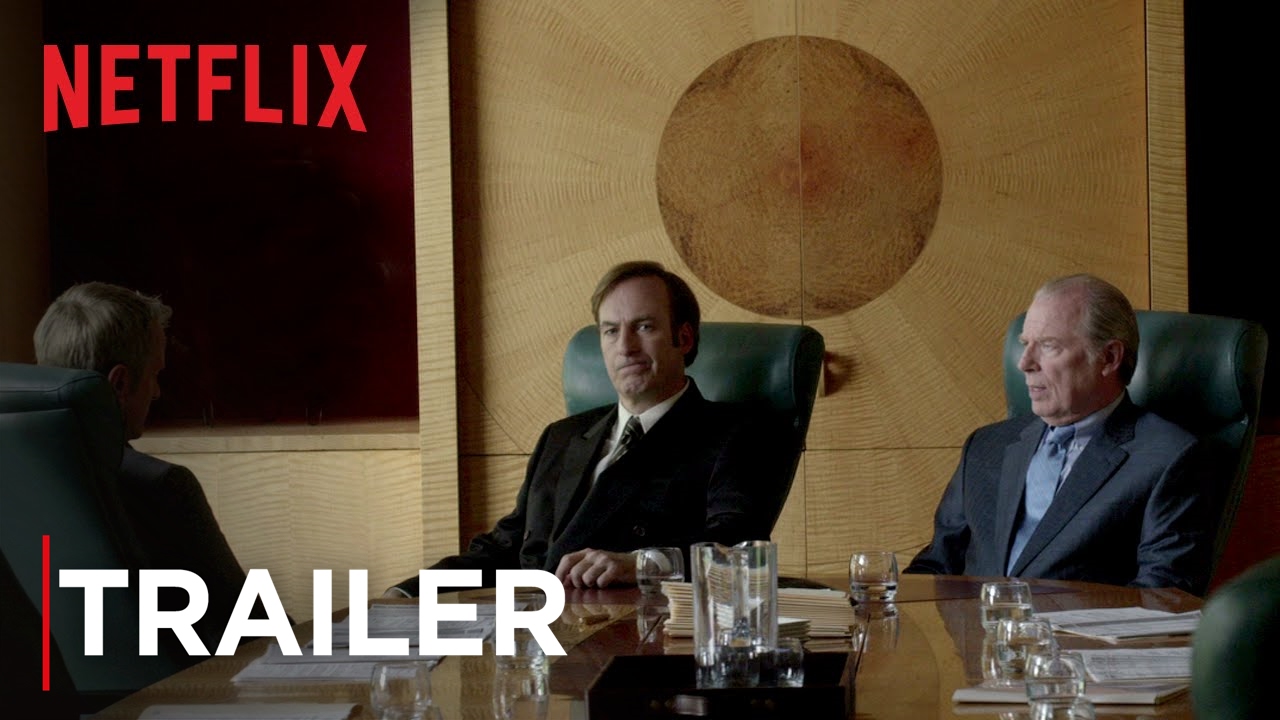
Quick Notes: What Makes “Better Call Saul” Unmissable
- Origin of an Icon: Witness the birth of Saul Goodman, unraveling the unpredictable transformation from struggling lawyer Jimmy McGill to the charismatic legal hustler everyone loves (and fears).
- Morality’s Tightrope: Every episode masterfully blurs the lines between good intentions and questionable choices, forcing viewers to constantly reevaluate their sympathies and beliefs.
- Unforgettable Supporting Cast: Kim Wexler, Mike Ehrmantraut, and Chuck McGill steal the spotlight, each delivering powerhouse performances and character arcs that challenge every expectation.
- Brilliant Cinematic Craft: The series dazzles with its innovative visuals, atmospheric settings, razor-sharp dialogue, and meticulous attention to detail, making every moment immersive and visually stunning.
- A Lesson in Consequences: “Better Call Saul” isn’t just a prequel, but a cautionary tale about ambition, loyalty, and the relentless ripple effects of every small decision; serving up suspense, heartbreak, and wisdom in equal measure.
From Slippin’ Jimmy to the World’s Most Notorious Lawyer
Navigating the dusty streets of Albuquerque, “Better Call Saul” traces the unlikely journey of Jimmy McGill; a man more familiar with the art of persuasion than the letter of the law. Struggling to shed his con-artist persona, Jimmy seeks legitimacy as a lawyer, only to find the straight path littered with temptation. His charm and desperation create a storm that sweeps up everyone in his orbit, leaving the audience both rooting for and fearing what he might do next. The series never hurries, preferring to let tension build and consequences simmer, keeping viewers perpetually off-balance.
The show’s heart beats in the relationship between Jimmy and his older brother, Chuck McGill; a celebrated attorney who views Jimmy’s ambitions as dangerous and reckless. Chuck’s calculated coldness isn’t mere sibling rivalry, but a deep-seated mistrust that drives a wedge between them. As legal battles escalate into psychological warfare, their sibling dynamic becomes one of the most wrenching, multi-layered conflicts ever captured on television. Chuck’s intellectual prowess and Jimmy’s streetwise cunning create sparks, highlighting the painful gap between talent and acceptance.
Parallel to Jimmy’s journey, the audience is introduced to Mike Ehrmantraut, a former Philadelphia cop haunted by loss and determined to provide for his granddaughter. Mike’s arc, filled with grit and unflinching pragmatism, slowly converges with Jimmy’s world. Their partnership is forged not from trust, but from necessity; each man wrestling with his own code of ethics. The tension in their alliance lies in their differences: one man chases justice in the shadows, the other bends the rules in broad daylight.
As the seasons unfold, the narrative expands beyond the courtroom, pulling viewers deep into the criminal underbelly of New Mexico. The rise of notorious figures like Gus Fring and the Salamanca family transforms “Better Call Saul” from legal drama to a suspenseful crime saga. Each subplot weaves seamlessly with the main story, showing how seemingly decisions spiral into life-altering events minor. Every handshake, every deal, is weighted with risk, creating a chessboard where one wrong move can shatter lives.
“Better Call Saul” is not just about the transformation of Jimmy McGill into Saul Goodman, but about the heavy cost of reinvention. The show meticulously charts how ambition and compromise, love and resentment, all intertwine to shape a destiny. The series stands out as a character study wrapped in a crime thriller, balancing dark humor with gut-wrenching emotion. With every episode, it dares the audience to question where survival ends and self-destruction begins, leaving an indelible mark on anyone who joins the journey.
Lessons from the Edge: What “Better Call Saul” Really Teaches Us
Morality rarely comes packaged in black and white, and “Better Call Saul” invites us to face the many shades of gray in our own lives. Jimmy McGill’s journey underscores how easy it is for good intentions to morph into ethically dubious choices, especially when survival feels uncertain. The show brilliantly demonstrates that even small compromises, when stacked over time, can reshape not just careers but entire identities. In a world where shortcuts are often rewarded, this story presses us to ask: At what price do we trade integrity for ambition?
The toxic dance between Jimmy and Chuck McGill offers a cautionary tale about family, rivalry, and the burden of expectation. Chuck’s refusal to believe in Jimmy isn’t just personal; it’s a mirror reflecting every moment we’ve doubted someone’s ability to change or had our own growth dismissed. The fallout from their relationship shows that withholding trust can damage both parties, creating wounds that fester long after the argument ends. In workplaces and homes everywhere, the show’s sibling drama warns us: Sometimes, the biggest barriers to success aren’t external obstacles, but the people we love most.
The evolution of Kim Wexler provides a roadmap for navigating ambition while holding on to one’s moral compass. Kim’s arc is about more than loyalty; it’s about the daily balancing act of chasing dreams while refusing to lose oneself. Her ethical struggles as a lawyer resonate with anyone trying to maintain standards in cutthroat environments. The reality is, personal and professional values are tested at every turn, and Kim’s courage reminds viewers that walking away from the wrong path even if it costs everything can be the greatest act of self-preservation.
Mike Ehrmantraut’s methodical approach to life and work delivers a powerful lesson in calculated risk and steadfastness. His story resonates with anyone who has felt compelled to break rules for a cause they believe in or to protect someone they love. Mike’s quiet discipline, loyalty, and readiness to shoulder difficult burdens without complaint echo the struggles of countless unsung heroes; parents, mentors, and silent protectors, whose sacrifices build better futures, even when no one is watching.
Above all, “Better Call Saul” challenges us to confront the myth of reinvention. Jimmy’s transformation into Saul Goodman is both a triumph and a tragedy, illustrating that chasing a new identity without reconciling the past can leave one even more lost. This narrative is a wake-up call for anyone tempted to outrun their history, showing that true change requires not only external success but also the courage to own our scars. The show’s final lesson is timeless: The path to redemption, or ruin, is paved with choices and no one escapes their consequences.
The Lasting Echoes of a Conman’s Tale
“Better Call Saul” doesn’t just end when the credits roll; its ripple effect lingers in the corners of your mind, prodding questions about ethics, ambition, and the stories we tell ourselves to justify each move. Few shows dare to expose the slow corrosion of values with such patient precision, letting audiences stew in the discomfort of seeing themselves reflected in Jimmy’s near misses and moral missteps. The lessons don’t come in grand speeches, but in nervous laughter, awkward silences, and the aching gaze of a man realizing how far he’s drifted from his former self.
The brilliance of the show lies in its refusal to handhold. Every twist challenges assumptions about what makes someone a hero, a villain, or a victim. By the time Saul Goodman emerges in all his neon-suited, fast-talking glory, the journey feels both inevitable and heartbreaking. The transformation isn’t a leap; it’s a slow tumble, captured in snapshots of desperation and glimmers of hope, all tied together by writing that never condescends to the viewer.
Fans and critics alike will remember “Better Call Saul” for its dazzling cinematography and pitch-perfect performances, but its true legacy is how it reshapes the viewer’s relationship with empathy. Each character, no matter how flawed, earns a moment of understanding, teaching us that life is more complicated than any closing argument. As you watch Jimmy maneuver through shady deals and narrow escapes, you find yourself rooting for him, even as you mourn each compromise that brings him closer to ruin.
Real-world parallels abound: professionals who bend the rules for a promotion, entrepreneurs who gamble reputation for a shot at success, families torn apart by pride and pain. “Better Call Saul” is their story, too; a reminder that our choices, no matter how trivial, carve our futures in ways we rarely see coming. By spotlighting the power and peril of reinvention, the series encourages viewers to reflect honestly on their own journeys.
In a television era stuffed with forgettable content, “Better Call Saul” stands as a testament to patient storytelling and the beauty of imperfection. It doesn’t just fill time; it fills you with ideas, doubts, and fresh perspective on what it means to build and sometimes betray a life. As you close the book on Jimmy McGill, you may feel uneasy, inspired, or even a little wiser, but above all, you’ll be hungry for the next story that dares to dig this deep.
Disclaimer
It’s also critical to remember that whether the TV Show is either a work of fiction or a real-life depiction, it must be emphasized that the actions depicted within are not encouraged in reality and shouldn’t be imitated. The review aims to analyze the storytelling, characters, and business decisions portrayed in the TV Show solely for educational and entertainment purposes. Any ethical & unethical practices highlighted in the TV Show are not endorsed by the Esyrite publication.
Why scroll… When you can rocket into Adventure?
Ready to ditch the boring side of Life? Blast off with ESYRITE, a Premier Management Journal & Professional Services Haus—where every click is an adventure and every experience is enchanting. The ESYRITE Journal fuels your curiosity to another dimension. Need life upgrades? ESYRITE Services are basically superpowers in disguise. Crave epic sagas? ESYRITE Stories are so wild, your grandkids will meme them. Want star power? ESYRITE Promoted turns your brand cosmic among the stars. Tired of surface-level noise? ESYRITE Insights delivers mind-bending ideas, and galactic-level clarity straight to your inbox. Cruise the galaxy with the ESYRITE Store —a treasure chest for interstellar dreamers. Join now and let curiosity guide your course.
