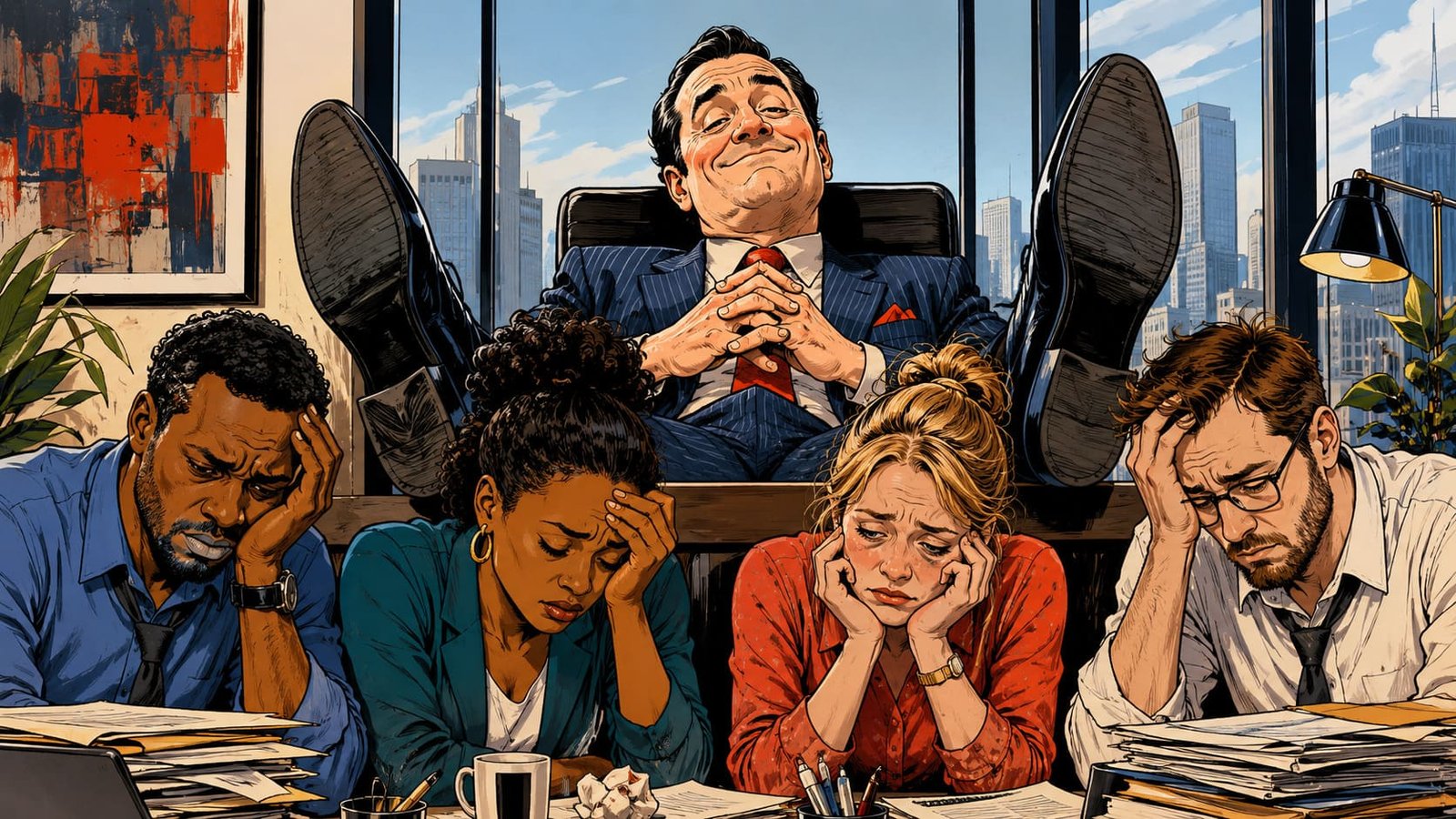
A printer jams at 4:17 p.m., and the room changes temperature. Nobody says anything because everyone remembers what happened yesterday when a harmless question became a public lecture about accountability. Emails become careful. Meetings become shorter. Ideas remain safely inside people’s heads. Bad management rarely arrives wearing a villain’s costume. More often, it enters through ordinary moments, a raised eyebrow, a needless reprimand, a promise broken without explanation, until capable adults begin spending more energy managing their manager than managing the work.
The cost is larger than poor morale. Management shapes what employees believe is safe to say, attempt, question, and admit, which means bad management can damage information long before it damages a performance report. A manager who humiliates mistakes may believe pressure creates discipline while actually creating concealment. An employee who once raised problems begins waiting for someone else to notice. Soon the organization has a peculiar arrangement: everyone knows what is wrong, yet nobody wants to be the person who says it first.
At Netflix, the company’s emphasis on candid feedback and high performance has often been discussed as an example of a demanding culture built around directness and responsibility. The important lesson is not that every company should copy Netflix. It is that standards work better when people understand the rules of the game and can challenge decisions without turning disagreement into personal punishment. At a sales office, Gareth interrupted junior employees so often that meetings became wonderfully efficient. He mistook their silence for agreement. His director later discovered that the fastest meetings were producing the slowest decisions.
Bad management also creates a hidden administrative burden. Noor, an analyst, worked under a manager who changed priorities without warning and later criticized her for missing the original deadline. She began saving emails, screenshots, and meeting notes after every conversation. Soon, part of her working day was spent constructing a defense against future blame. Nothing about that activity appeared on the productivity dashboard. Yet the organization was paying for it. Anxiety had become an invisible job description, and trust had been replaced by documentation.
Not every damaging manager is cruel. Some are insecure, distracted, inexperienced, or overwhelmed by responsibilities they were never prepared to carry. A brilliant engineer can become a poor manager because technical problems have rules while human beings have histories, fears, ambitions, and moods. A founder obsessed with speed can interpret every question as resistance. A senior executive frightened by declining performance can tighten control until capable people stop thinking independently. Emotional intelligence matters because management happens inside human relationships, and people remember how authority made them feel long after they forget the wording of a policy.
Good management begins with restraint, which is less glamorous than leadership mythology and far more useful. A manager must know when to challenge, when to listen, when to apologize, when to make a difficult call, and when to leave competent people alone. The human price of bad management includes resignation, but resignation is merely the visible receipt. The larger bill contains the warning nobody delivered, the idea nobody proposed, the employee who stopped caring, and the talented person who learned that survival was safer than excellence. Every manager leaves evidence behind. What will people become after working under that manager?
