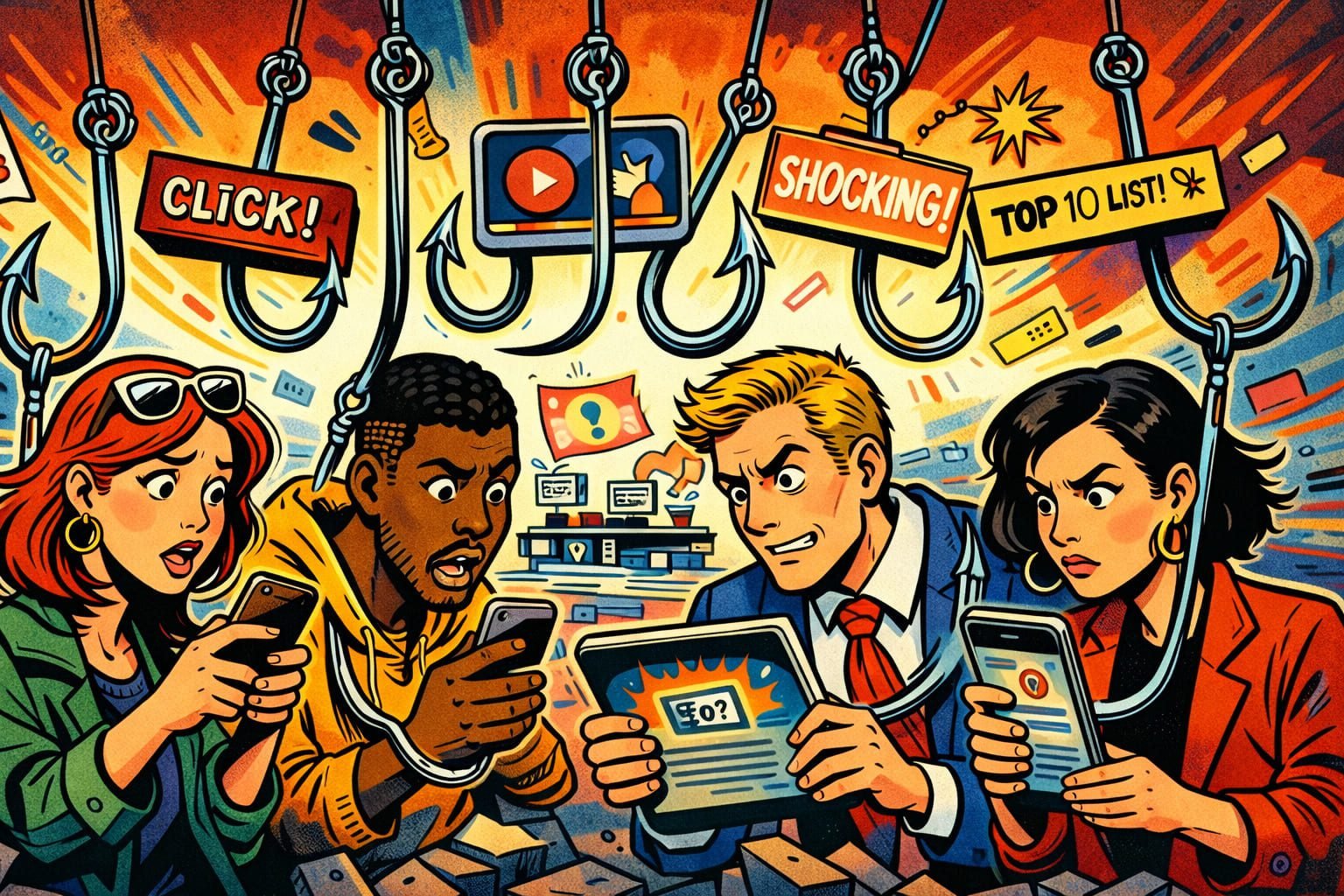
Elevator doors slid apart onto a polished office floor where every conversation sounded confident until analytics arrived like an unexpected witness. Bright campaign banners decorated walls, congratulating creative teams for impressive reach, while an overlooked dashboard quietly revealed visitors leaving almost as quickly as they arrived. Celebration met an uncomfortable interruption. Attention had been won, yet curiosity had evaporated. Few business failures begin with terrible products. Many begin with opening moments that promise excitement but deliver ordinary experiences before trust has time to take root.
Readers rarely abandon content because they dislike learning. More often, they leave because nothing convinces them another minute will reward their attention. That uncomfortable truth has transformed digital publishing, email marketing, and brand storytelling. Companies like Morning Brew built loyal audiences by treating every introduction as a contract instead of decoration. Every headline makes a promise. Every opening sentence either strengthens that promise or quietly breaks it. Bounce rates are less about impatience than disappointment arriving faster than expected.
Elias managed content for a regional consulting firm whose articles attracted respectable search traffic but disappointing engagement. During a customer interview, one executive admitted skipping introductions because every article sounded interchangeable. That remark stung. Instead of publishing more frequently, Elias rewrote openings to begin with strange observations, difficult questions, or surprising business moments before introducing analysis. Visitors stayed longer. Conversations multiplied. Leads improved because readers finally felt invited into a story rather than escorted through another presentation.
Hollywood discovered this lesson decades before digital marketers noticed. Alfred Hitchcock understood suspense did not begin with an explosion. Suspense began when viewers possessed information characters ignored. Great marketing follows similar psychology. Apple product launches rarely begin by listing specifications. They first create emotional tension around possibility, curiosity, or anticipation before revealing practical details. Strong hooks work because human brains naturally seek unfinished patterns. Curiosity becomes an invisible hand pulling readers toward answers they suddenly feel compelled to discover.
A bakery owner named Renata once rearranged nothing except a handwritten sign outside her neighborhood shop. Previous wording announced fresh bread every morning. New words simply asked, “Which loaf reminds you of childhood?” Customers paused, smiled, then walked inside carrying memories instead of shopping lists. Sales followed conversation rather than promotion. Strange little moments like that explain why remarkable hooks rarely manipulate audiences. They awaken emotions already waiting beneath ordinary routines, giving attention a reason to linger instead of wandering elsewhere.
Snow gathered across empty stadium seats while floodlights illuminated a field nobody had entered yet. Anticipation filled more space than action ever could. Remarkable businesses understand that first impressions are not introductions but invitations into unfinished stories that readers complete inside their own imagination. Every opening creates either momentum or escape. Before publishing another article, campaign, or email, ask one unsettling question: would curiosity still survive after reading only your first four sentences?
