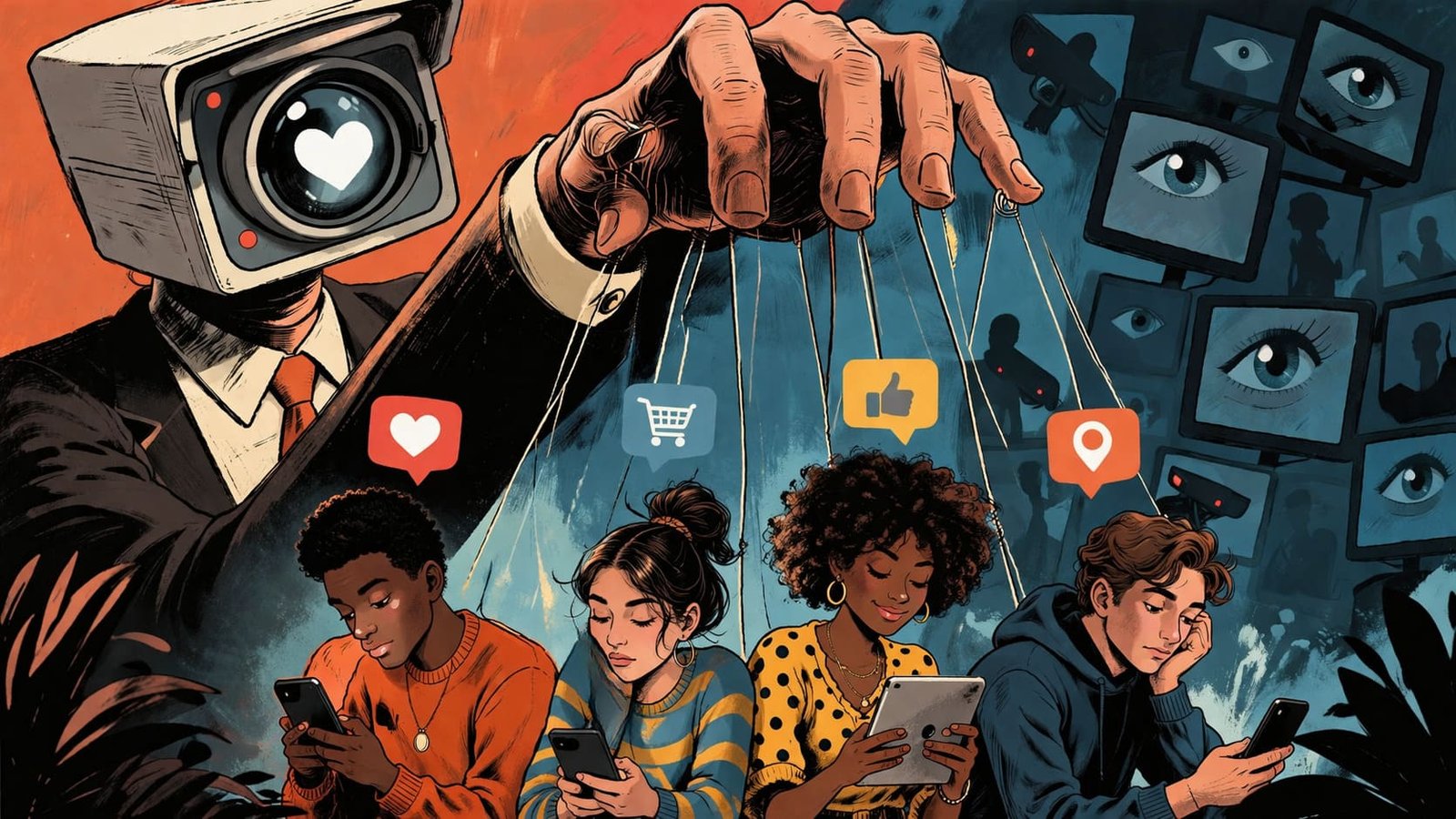
Rain clung to café windows while strangers stared into glowing phones, each swipe quietly feeding invisible engines that already seemed to know tomorrow’s cravings. A notification arrived with uncanny timing, suggesting exactly the gift a customer had considered moments earlier without ever speaking aloud. That tiny shiver, half delight and half discomfort, has become modern marketing’s defining emotion. Brands no longer compete only for attention. They compete to appear emotionally indispensable while gathering enough behavioral clues to anticipate feelings before people consciously express them.
Executives often celebrate personalization as the highest expression of customer experience, yet intimacy built through surveillance carries an uncomfortable contradiction. Every click, pause, abandoned shopping cart, and scrolling habit becomes another clue in a growing behavioral portrait. Consumers appreciate relevance until relevance starts feeling like observation. Netflix refined recommendations by studying viewing behavior instead of asking endless questions, while Spotify’s personalized playlists created genuine delight because discovery felt useful rather than intrusive. Context matters. Trust rarely depends on data alone but on whether customers feel respected throughout the exchange.
Olivia managed marketing for a family-owned travel company that struggled against larger online competitors. Consultants recommended collecting every available customer signal, but returning travelers reacted warmly only after staff remembered meaningful conversations instead of automated behavioral triggers. One couple received a handwritten postcard recalling their anniversary trip through Portugal, prompting another booking months later. No algorithm predicted that emotional response. Marriott has similarly invested in loyalty experiences that combine digital convenience with attentive human service, demonstrating that memorable relationships still depend upon thoughtful moments technology cannot fully manufacture.
Curiously, people reveal astonishing amounts about themselves while fiercely defending privacy in conversation. Behavioral psychology explains this paradox through convenience, immediate rewards, and limited attention rather than simple carelessness. Social media platforms learned long ago that friction discourages sharing, while seamless design quietly encourages disclosure without demanding conscious reflection. A supermarket loyalty card seems ordinary until accumulated purchases begin sketching birthdays, health concerns, financial pressures, and changing family routines. Individual fragments appear harmless. Combined together, they become startlingly intimate.
Apple chose a noticeably different narrative by making privacy itself part of its brand identity, transforming restraint into competitive positioning. That decision challenged an industry assumption that collecting more information always creates better marketing. Ibrahim, who founded a boutique skincare company, removed invasive tracking from his website after customer complaints mounted despite healthy conversion metrics. Sales dipped briefly before customer referrals accelerated through word of mouth. Confidence grew because visitors felt invited instead of examined, proving trust can outperform relentless optimization across surprisingly competitive markets.
Flickering billboards will continue growing smarter, brighter, and increasingly capable of predicting human behavior with astonishing precision. Yet another contest quietly unfolds beneath those polished interfaces, measuring whether affection earned through observation can ever equal affection earned through respect. Every breakthrough in artificial intelligence expands marketing’s reach while simultaneously raising expectations about integrity. Before celebrating another personalization milestone, ask a harder question: would that relationship survive if every customer could see exactly how intimacy was being engineered?
