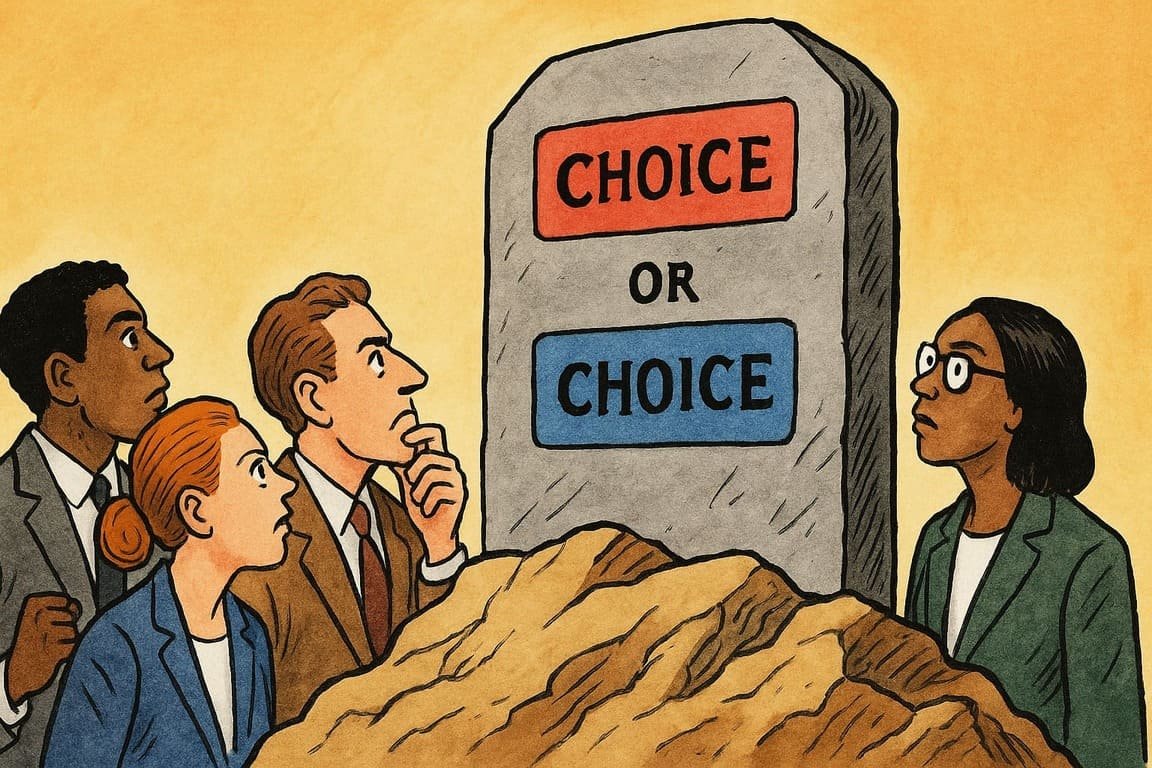
The office windows rattle as night rain thrashes glass. Overhead, the hum of the server room leaks into a tense boardroom where coffee runs cold and spreadsheets flicker on a projector. Here, a company’s entire future quietly sits at stake, not in the headlines, but in the air between a CIO’s trembling finger and a blinking “Confirm” button on a million-dollar ERP proposal. Everyone in the room senses the gravity: this is more than picking software. This is a bet that could launch careers, break legacies, or grind an empire to a halt.
Deep in the background, memories of failed implementations haunt the table. Anxious whispers echo of a retailer who once crashed for weeks because their ERP migration flopped. A finance director stares at a stack of contracts, knowing that a single overlooked clause could trap the company for years. Meanwhile, the sales chief fixates on growth dreams, but even she knows that choosing wrong will mean sleepless nights, angry clients, and boardroom panic.
For every digital transformation hero, there are a dozen companies that lose sleep and market share because their ERP story went sideways. Between myth and meltdown lies a maze of buzzwords, demos, and promises that blur the line between genius and disaster. Every executive in this room has seen the headlines: a food giant crippled by system bugs, a hospital scrambling with supply chain chaos, an auto-parts supplier fighting to keep the lights on. Still, they lean in, united by one haunting question: Who will their company become after this choice?
ERP is not software. ERP is the invisible machinery that determines who thrives, who adapts, and who quietly fades from memory.
Quick Notes
- ERP is Destiny: Your system choice will either liberate your business or lock it in a maze of complexity and pain.
- Shortcuts Are Fatal: Quick decisions, seduced by slick demos or low prices, invite disaster and years of regret.
- Hidden Costs Are Everywhere: Real experts hunt for traps in contracts, integrations, and migration promises.
- Change Management Makes or Breaks You: No ERP ever transformed a business without real, human buy-in from frontline staff to the C-suite.
- The Brave Ask Brutal Questions: Companies that survive ERP roulette demand answers, challenge the herd, and face hard truths head-on.
ERP: The Secret Machine Running Your World
ERP is more than software. It’s the silent engine that decides if your company is agile, efficient, and future-proof—or doomed to frustration, rework, and missed targets. Every process, from payroll to procurement, rides on its rails. This decision isn’t just IT’s problem. It shapes what your company becomes.
You feel this every time a customer’s order vanishes, a payroll run misses the deadline, or your inventory suddenly goes dark. When you get it right, business feels effortless. Operations flow, teams collaborate, and innovation becomes possible. When you get it wrong, chaos seeps in. Small issues snowball, teams invent workarounds, and resentment grows.
Sarah, a supply chain manager at a global distributor, remembers the panic as their legacy system crashed on Black Friday. Her voice still tightens at the memory of missed deliveries, furious emails, and watching rivals capture their market share overnight. Her story is echoed by countless leaders who live with scars from hasty ERP rollouts.
What makes ERP so powerful—and dangerous—is its reach. Decisions made in one corner of the system ripple out, affecting every department, every customer, every supplier. Few realize that ERP is less a piece of tech and more a philosophy of how your business lives, breathes, and reacts under pressure.
This is why so many ERP decisions are haunted by fear. There’s no place for luck or wishful thinking. Winning with ERP is about discipline, vision, and the courage to ask what could go wrong before it happens.
Danger Zone: Why Fast ERP Decisions End in Disaster
ERP vendors are master storytellers. Their demos dazzle, their brochures shimmer with promises, and their sales teams whisper about seamless integration and instant ROI. But the brutal truth is that shortcuts in ERP selection almost always lead to suffering.
Real success comes not from speed, but from asking ugly, inconvenient questions. You must press for clarity on data migration, process mapping, customizations, and long-term support. If a vendor dodges or glosses over these, consider it a giant red flag. Rushed projects frequently trigger missed requirements, mismatched workflows, and hidden fees that bleed budgets dry.
Look at the story of Daniel, an operations director in the fast-fashion industry. Lured by a quick, cheap ERP implementation, his company went live without fully testing system compatibility. Within months, returns skyrocketed and customer complaints overwhelmed support teams. The “cheap” choice spiraled into years of patchwork fixes and lost profits.
Real leaders slow down. They map every business process, challenge assumptions, and involve frontline staff in selection and testing. This is not a game for spectators. The companies that thrive are those that dare to spend more time on discovery than on dazzle.
ERP is a marathon, not a sprint. Winning means caring more about the long view than tomorrow’s headlines or this quarter’s savings.
The True Cost: Hidden Traps, Integration Nightmares, and Human Pain
ERP pricing is an optical illusion. Vendors highlight the sticker price, but real cost is buried deep in custom modules, add-ons, integration fees, and ongoing support contracts. What looks like a bargain can become a black hole for budgets.
Migration is a minefield. Migrating legacy data is never as easy as vendors promise. Cleaning, mapping, and testing data uncovers ugly truths about data quality, process chaos, and broken trust between departments. Many a seasoned CFO has stared at a final bill and realized they’ve been blindsided by “scope creep”—those inevitable extras that multiply when nobody is looking.
Case in point: Helena, finance chief for a growing food distributor, found her new ERP system needed endless tweaks just to handle basic warehouse workflows. Her team spent months in late-night war rooms, patching together spreadsheets to bridge the gap. The hidden pain wasn’t just money—it was lost morale, burned-out staff, and a toxic blame culture that lingered long after launch.
Integration is where many dreams go to die. Connecting ERP with payroll, CRM, ecommerce, and dozens of apps rarely works out of the box. If you fail to dig into integration capabilities before you sign, you risk building a “Frankenstein” system that’s slow, fragile, and impossible to upgrade.
The ultimate cost of a bad ERP decision is human. Stressed teams, missed deadlines, unhappy customers, and a leadership team that spends more time on damage control than building the future.
Change Management: The Brutal Truth No One Tells You
No ERP project ever succeeds without real, relentless change management. Yet most companies underestimate the human cost of transformation. Software alone never saves the day. It’s people—excited, terrified, resistant, or inspired—who shape the system’s destiny.
Change reveals cracks in culture. When you introduce a new ERP, old alliances break, new workflows emerge, and power shifts. Some staff will panic, some will resist, and others will quietly undermine progress unless leaders confront these truths head-on.
True digital champions are made in these moments. Look at Rajiv, a plant manager in the manufacturing sector. His factory stumbled through an ERP upgrade until he brought frontline workers into the design and testing process. With each workshop, skepticism faded. Ownership and pride grew. Success followed only after the whole team saw the system as their own—not just another IT dictate.
Change management means constant communication, endless training, and a willingness to address fears with empathy and facts. It means rewarding curiosity, acknowledging mistakes, and never pretending that digital transformation is “just business as usual.”
Companies that ignore these realities pay dearly. Projects stall, trust evaporates, and even the best technology gathers dust as staff cling to spreadsheets and old habits.
The Courage to Ask: Brutal Questions Every ERP Buyer Must Demand
The survivors of ERP roulette share one trait: they never accept easy answers. They ask the hard questions, demand specifics, and refuse to be steamrolled by technical jargon or sales pressure. Their courage saves fortunes and careers.
First, ask “What happens when this fails?” A real partner will have war stories, disaster plans, and actual support processes, not just marketing slides. Next, demand clarity on data ownership, privacy, and exit strategies. Every contract should spell out how your business gets its data back if the relationship sours.
Push for transparent pricing. If a vendor hesitates to break down costs by module, user, and upgrade, they’re hiding something. Insist on details for integration: ask for references from companies with similar complexity and size. If the answers don’t hold up under scrutiny, walk away.
Challenge assumptions about customization. How much flexibility do you really have to mold the system to your business? Many companies get locked into rigid workflows that stifle innovation for years. Test the vendor’s change management support. Do they offer real training, on-site champions, and resources for every level of your organization?
Finally, dig deep into the vendor’s reputation. Find customers who survived failures and hear their stories. Those who win with ERP do so by living in reality, not fantasy.
The cost of silence is always higher than the cost of asking a brutal question. The more you challenge, the more likely you are to build a future you actually want to live in.
Futures Forged in the Furnace of Brutal Choices
Empty chairs crowd a silent boardroom, now haunted by the memory of hard decisions. The whiteboard, streaked with the ghost of strategy sessions, stares back at a team changed forever by the ERP they dared to choose. Morning sunlight slips through half-closed blinds, illuminating stacks of manuals, forgotten coffee cups, and a list of names—some still here, some lost to the journey.
Outside, the city pulses with the noise of commerce. But inside, leaders sit quietly with lessons learned not from triumph, but from the scars of missteps and the sweet relief of brutal honesty. Their ERP choice has reshaped everything: habits, ambitions, dreams, even the measure of success. Every late night, every anxious call, every courageous question has led them to a new understanding of what it means to build something that lasts.
A single question lingers in the stillness. Will you settle for what’s easy, or will you brave the chaos and shape a system worthy of your ambitions?