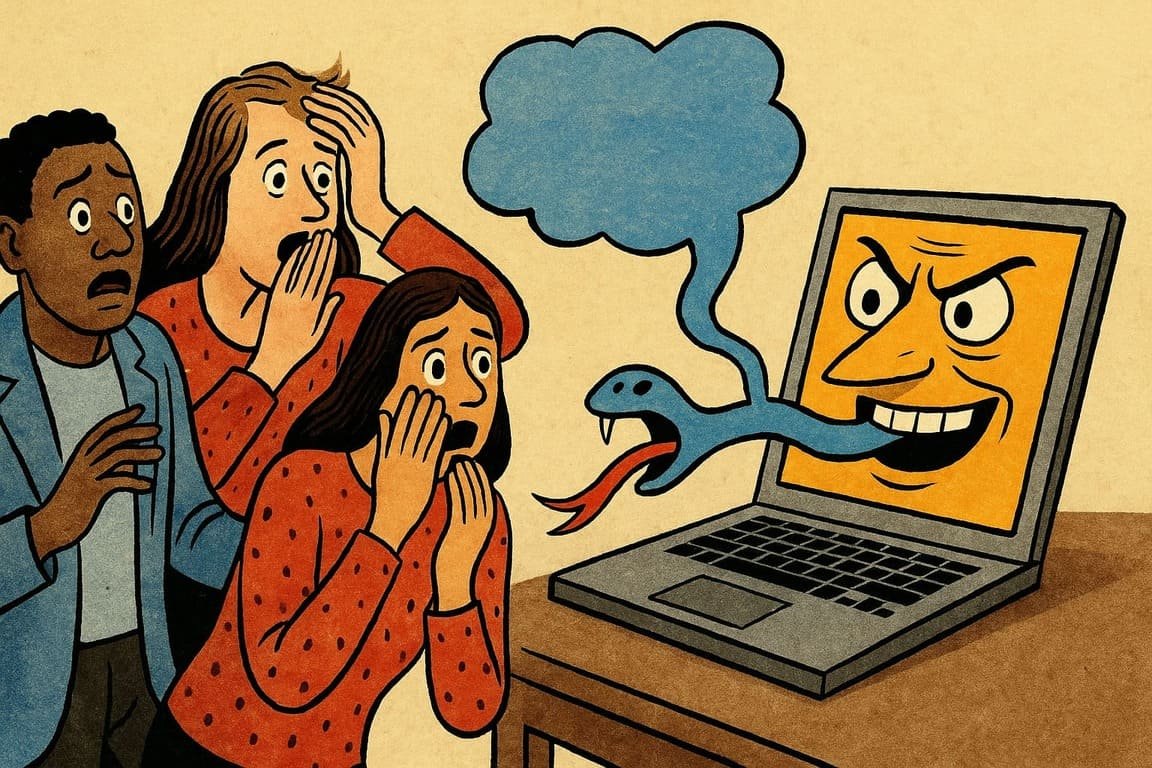
Under a pale glow, a late-night commuter scrolled through headlines in a deserted subway car. Newsfeeds crawled with shock, outrage, and the irresistible urge to click. One story, viral and venomous, dominated every channel—its facts half-formed, sources buried in layers of rumor and bravado. In a cramped apartment across town, a teenager stared at the same story, searching for reassurance in the shifting sands of comment threads and reaction emojis. At the edge of the city, a team of digital detectives traced the origins of the narrative, discovering not malice but design: code engineered for belief, tailored for doubt.
Screens flickered in bedrooms, offices, school halls. Every user—a parent, a leader, a voter, a child—grappled with the new uncertainty. What was real, what was fake, and who could be trusted when the line between news and fiction had been scrubbed so thin it barely existed? In this silent theater, the lies didn’t shout. They whispered, sweet and sly, until truth itself felt like an old friend gone missing.
Quick Notes
- Trust Under Siege: Misinformation and manipulation flourish online, eroding faith in news, platforms, and even personal connections.
- How Lies Take Hold: Algorithms, influencers, and anonymous actors turn fiction into trending fact before anyone can challenge the narrative.
- Personal Fallout: Real people—students, executives, parents—face consequences ranging from lost jobs to broken friendships when digital lies go unchecked.
- The Battle for Reality: Stories of everyday heroes and organizations fighting back, reclaiming trust one conversation at a time.
- Rebuilding Belief: The future of digital society hinges on the willingness to question, verify, and defend the truth—every single day.
The Anatomy of Online Deception
In the digital age, lies are engineered to win. At Veracity Lab, a research nonprofit, staff track how misinformation blooms across networks. Founder Jaya recounts a single tweet—an outlandish claim about a food recall—spreading to millions in a day, fueled by bots and the promise of insider knowledge. “It moved faster than we could respond,” she says, “because outrage is viral and skepticism is slow.”
A high school in Madrid learned the lesson the hard way. A faked screenshot “proving” a teacher’s bias ricocheted through group chats, nearly costing her a job. Only a painstaking digital investigation cleared her name, but the damage—whispers, side-eyes, lost trust—lingered.
For businesses, the threat is existential. A startup in Singapore, accused online of wage theft, lost investors within hours. Weeks later, the post was proven false, but the company’s reputation remained in tatters. CEO Andrew reflects, “We live in a world where you’re guilty until proven innocent—and the proof might never be enough.”
Algorithms feed the fire. Content that sparks fear, envy, or indignation is rewarded with reach. Creators game the system, crafting headlines that promise shock and deliver confusion. In the marketplace of ideas, truth is no longer the highest bidder.
Behind every scandal, every trending hashtag, someone profits from the fog. The public pays the price.
The Influencer Effect
Personal brands are currency—and so are their fictions. Social media influencer Lia rose to fame for her “raw honesty,” sharing stories of struggle and redemption. Yet, a rival’s exposé revealed that key moments were staged, product placements hidden, and hardships exaggerated. Fans felt betrayed, advertisers fled, and the backlash trended worldwide.
Companies, too, manufacture reality. In 2023, a well-known tech brand staged a “customer meltdown” video, hoping to go viral. When the ruse was exposed, trust tanked, and real users wondered how many reviews were real. “We wanted authenticity,” admits the CMO, “but we chose theater instead.”
The influencer effect is powerful. Teens at Oak Ridge High admit they often share memes or “hot takes” without reading the source. “If it’s funny or shocking, I just go with it,” laughs student Sofia. But when a fake news story sparked a school panic, she felt the weight of every careless share.
Digital trust is not just about news. It’s about every filtered photo, every edited video, every “authentic” story packaged for maximum engagement. Truth becomes a product, carefully shaped, endlessly edited. The cost is subtle but profound: real connection withers, and skepticism turns toxic.
Some fight back. A micro-influencer, Jordan, built a following by fact-checking viral claims, gaining respect and a steady stream of grateful followers. “The truth isn’t flashy,” he says, “but it lasts.”
Collateral Damage
The casualties of online lies are everywhere. Maria, a junior executive at a financial firm, was falsely linked to a corporate leak by an anonymous tip. Her inbox filled with threats, her boss suspended her, and her friends distanced themselves. Weeks later, her name was cleared, but the wound lingered. “You never get back to normal,” she whispers.
For families, rumors cut deepest. At Greenfield Elementary, a fake Facebook post about “unsafe water” sent parents rushing to the school, demanding answers. The principal, Ms. Leclerc, faced reporters and crying children. “It took days to correct,” she sighs. “Some parents never believed us again.”
Businesses lose millions to orchestrated review attacks, deepfake videos, or competitors spreading rumors. At a cafe in Berlin, owner Simon remembers the morning a one-star wave hit his Google profile. “I felt powerless,” he confides. “The system worked against me.”
Even friendship is not immune. When a group chat spiraled over a misinterpreted screenshot, a circle of friends fractured, each side convinced the other was lying. “We trusted the screen more than each other,” says one, still grieving the loss.
These are not isolated stories—they are the new normal. Online lies aren’t just “fake news.” They change lives.
Guardians of the Real
Despite the gloom, resistance grows. At a bustling co-working space, members host weekly “Reality Checks,” swapping stories, sources, and strategies for navigating digital fog. “It’s like mental self-defense,” jokes founder Alia, who credits the meetings with saving her team from multiple PR disasters.
Newsrooms adapt. A local paper in Nairobi retrains every journalist to verify social posts, cross-examine viral images, and even teach readers how to spot fakes. “It’s slow work,” says editor Wanjiru, “but we’re rebuilding trust, one fact at a time.”
Tech startups experiment with new defenses. At TrustLoop, developers build tools that watermark original content, flag suspicious patterns, and connect users with verified experts. CEO Tomas is clear: “We’re not here to censor, but to empower users to question everything.”
Parents, too, organize. A mothers’ group in Sao Paulo shares “rumor alerts,” tracking hoaxes and educating kids about clickbait. “If we don’t teach the next generation, who will?” asks group leader Renata.
Courage is contagious. When lies break hearts and destroy reputations, everyday heroes step up, determined to make truth go viral. It’s a slow, uphill battle, but every voice counts.
Rewriting the Compact
The future of digital trust is unwritten. Some call for regulation—forcing platforms to label, verify, or ban misinformation. Others put faith in education, building resilience through media literacy and critical thinking. Most agree on one thing: blind faith is dead, and skepticism alone is not enough.
In communities and companies, a new social compact is forming. Leaders pledge transparency, workers demand honesty, and users insist on seeing the receipts. A teacher in Minnesota, Ms. Owens, has her class build “truth trees”—mapping claims to sources, separating rumors from reality. “They become detectives,” she smiles, “not just consumers.”
For some, rebuilding belief means unplugging. At a weekend retreat, strangers share meals, stories, and unfiltered conversations. “You remember what it’s like to trust a face, not a feed,” says organizer Claire.
Digital trust will never again be automatic. But it can be rebuilt, piece by piece, through vigilance, humility, and stubborn hope.
Truth Unmasked: The Power Is Yours
The subway emerges into the light. Commuters blink, phones buzzing with new headlines, new debates. Some read, some doubt, some just scroll by. In the stillness, one teenager closes her app and looks up, searching for a face she can believe.
Truth waits in every hard question, every brave correction, every story told with care. The lies are many, but the choice remains: You can follow the fog, or you can light your own way—every single day.