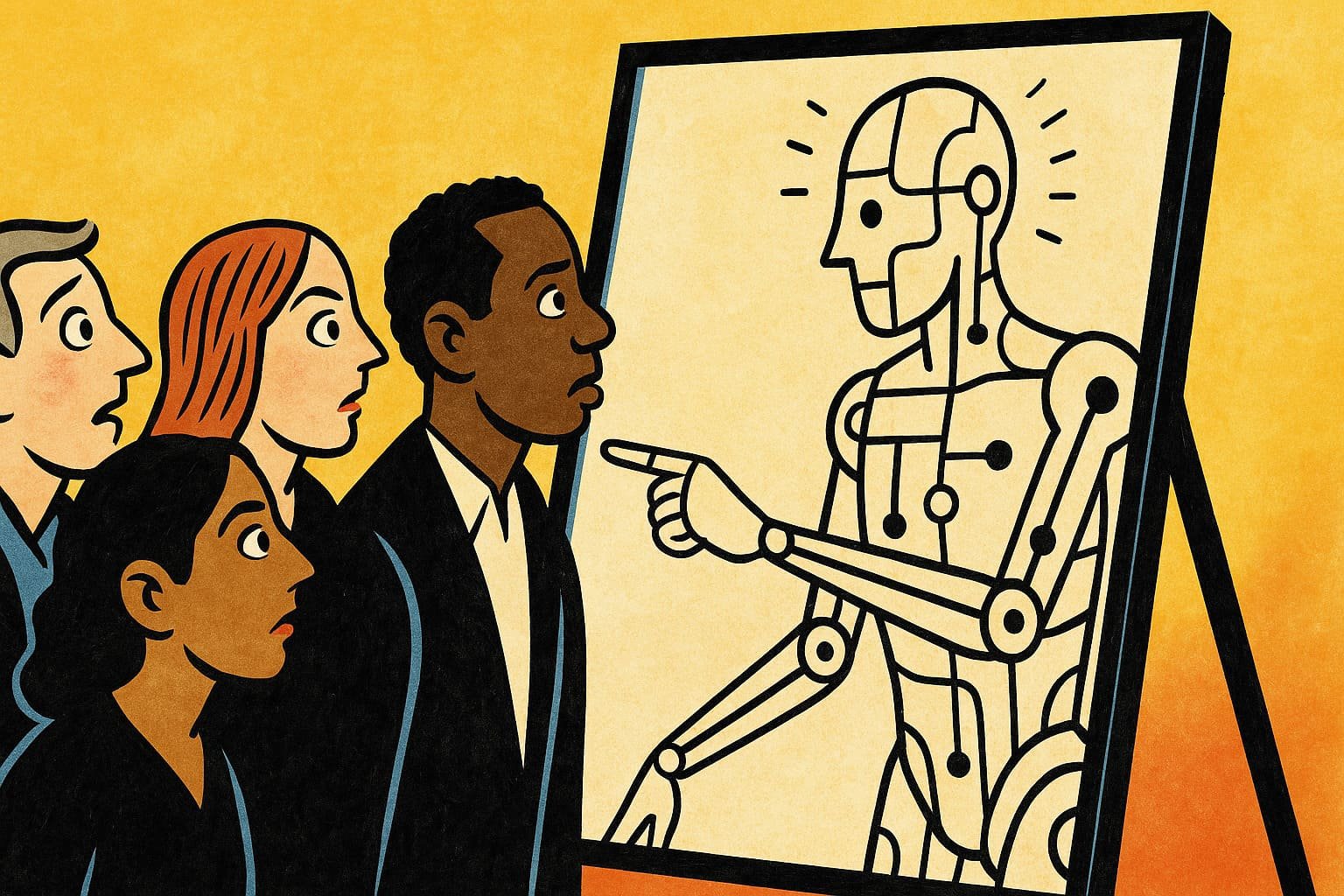
Marble walls stretched across a silent hall where thousands of mirrors reflected every passing face with unsettling precision. None offered compliments. None softened imperfections. Each reflection revealed details people preferred to overlook, forcing hurried glances before nervous eyes looked away. Artificial intelligence increasingly plays a similar role in modern society. Instead of inventing human behavior, it magnifies patterns already present, exposing biases, habits, fears, and contradictions that have quietly shaped decisions for generations.
Many people imagine algorithms as mysterious forces operating beyond human influence. Reality is less dramatic and far more revealing. Algorithms learn from data created through everyday choices, institutional practices, and historical behavior. When Spotify recommends familiar music or Netflix predicts another favorite series, those suggestions reflect accumulated preferences rather than independent creativity. Artificial intelligence often behaves like a mirror polished to extraordinary clarity. If uncomfortable truths appear, the reflection deserves examination before the glass receives blame.
Keisha directed talent development for a global consulting firm that introduced artificial intelligence to screen internal promotion trends. Leadership expected confirmation that opportunities had always been distributed fairly. Instead, the analysis highlighted subtle patterns favoring familiar career paths while overlooking unconventional experience. Nobody had consciously designed those outcomes. Recognition became the turning point. Recruitment policies changed, mentoring expanded, and promotion criteria evolved because the technology revealed organizational habits that ordinary reporting had quietly hidden for years.
A comparable lesson emerged inside consumer finance. Mastercard increasingly applies artificial intelligence to strengthen fraud detection by identifying behavioral patterns invisible to manual review. Success depends on continually testing systems for fairness alongside accuracy because every prediction influences real lives. Meanwhile, entrepreneur Diego launched an online education platform using recommendation algorithms to personalize learning journeys. Student engagement initially improved, yet quieter learners received fewer advanced opportunities because previous participation shaped future visibility. Human oversight restored balance where automation alone reinforced existing inequalities.
Throughout history, every transformative tool has reflected society as much as it has reshaped it. Printing presses amplified ideas already circulating. Television magnified cultural aspirations and anxieties. Artificial intelligence continues that tradition with unprecedented speed and scale. Responsible leadership requires more than deploying sophisticated systems. It demands asking uncomfortable questions about values, incentives, governance, and accountability before algorithmic decisions quietly become accepted as objective truth simply because software produced them.
Fog drifted across a broad lake while countless reflections shimmered beneath still water, beautiful until one small ripple revealed how easily appearances could change. Machines will continue examining humanity with remarkable consistency, uncovering strengths and weaknesses alike without embarrassment or prejudice. Their greatest contribution may never be replacing human judgment. Their greatest gift could be revealing the hidden patterns people finally choose to confront, challenge, and transform.
