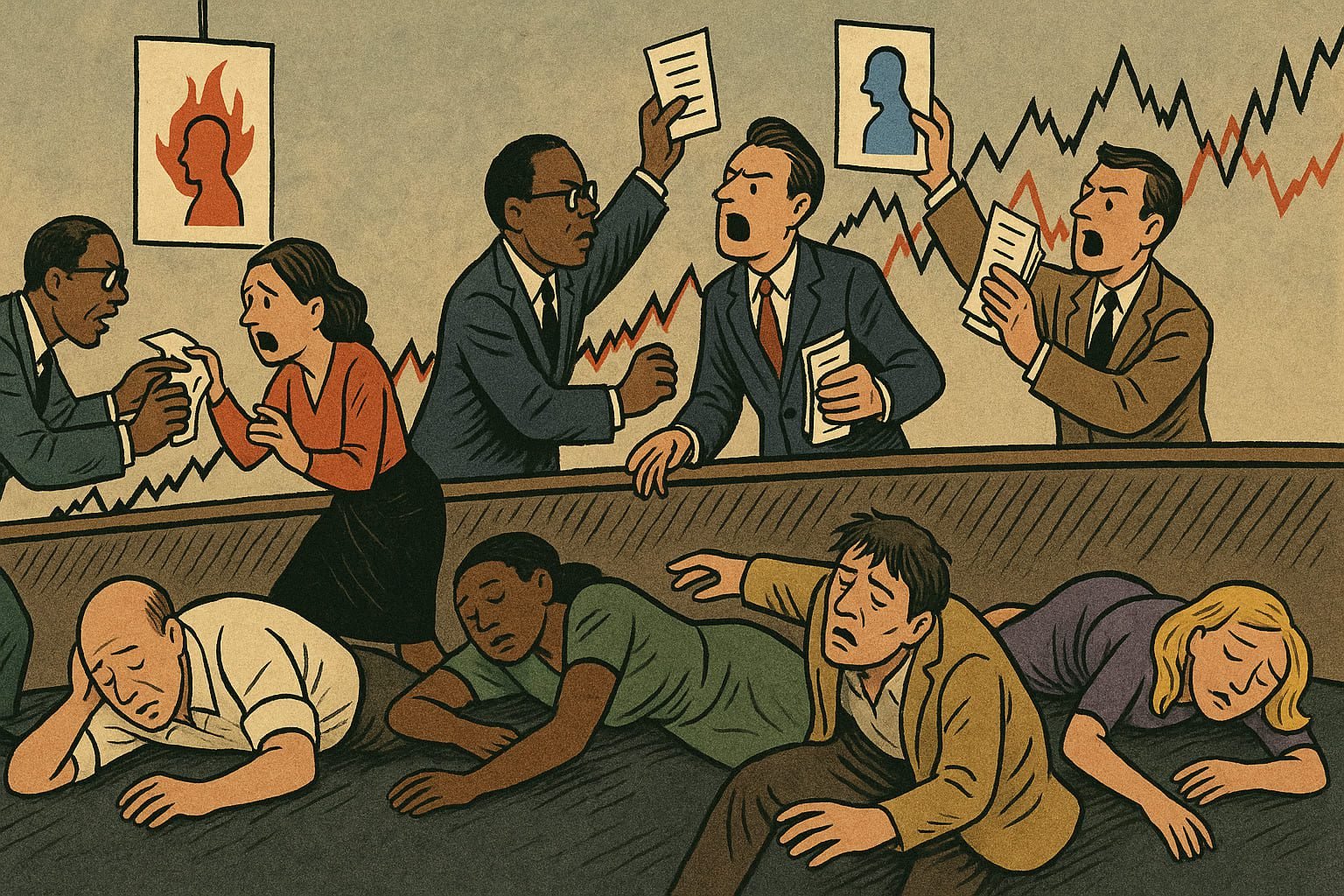
A company can become emotionally cold so gradually that nobody notices the temperature change until people stop speaking honestly. No dramatic declaration announces the shift. It happens in language first. Human beings become “units.” Layoffs become “efficiency actions.” Exhaustion becomes “high-performance commitment.” Somewhere between investor expectations and management fashion, people get translated into spreadsheet vocabulary, and once that translation becomes normal, something profoundly important begins to disappear. Modern organizations often insist they value people deeply. Listen closely to the operating language during pressure, and the truth usually introduces itself without needing translation.
Jack Welch’s influence on management culture remains impossible to ignore. His era rewarded hard-edged performance logic that many executives admired because decisiveness looks sophisticated from a distance. Some lessons about accountability retained value. Others aged badly in economies where collaboration, creativity, and trust increasingly determine durable advantage. A private services firm led by an executive named Vaustren embraced ruthless performance ranking with evangelical enthusiasm. Short-term output improved. Shareholders smiled. Internally, candor deteriorated. Managers learned to protect themselves. Teams optimized survival over innovation. People rarely produce brave ideas in environments where vulnerability feels professionally suicidal.
This is the managerial paradox many leaders miss. Accountability and dehumanization are not synonyms. Standards matter. Weak performance cannot be endlessly romanticized in the name of empathy. Yet cruelty often gets mistaken for seriousness because harshness sounds efficient. Fear can absolutely produce movement. It can also poison information flow. Employees conceal mistakes. Teams hoard knowledge. Risk-taking collapses. Psychological safety is not sentimental corporate wallpaper. Amy Edmondson’s work clarified what many competent operators already sensed: honest communication thrives where people do not feel constantly endangered. A frightened workforce may comply beautifully while quietly sabotaging institutional intelligence.
A strategy director named Elira joined a logistics organization where internal competition had been elevated into cultural entertainment. Peer evaluations influenced advancement. Recognition was deliberately scarce. Leaders believed scarcity sharpened hunger. Instead, sabotage flourished. Departments withheld information to protect optics. Credit became aggressively territorial. One major product initiative nearly failed because teams preferred preserving internal positioning over surfacing bad news early. Elira once described the culture as a card game where everyone smiled while counting exits. It sounded dramatic at first. After observing the operating dynamics, the metaphor felt restrained.
Popular culture loves emotionally frozen excellence. The antihero sacrificing relationships for dominance still receives triumphant music in far too many narratives. Business imported some of that mythology and mistook emotional detachment for executive maturity. Real performance environments tell a more nuanced story. Elite sports organizations demand extraordinary standards while preserving trust, identity, and belonging. Great coaches challenge relentlessly without treating athletes as disposable inventory. High expectations do not require emotional brutality. In fact, organizations that humiliate people often create brittle performers who collapse under real complexity.
Financial logic can intensify the temptation toward dehumanization. Cost-cutting looks wonderfully intelligent inside investor presentations. Workforce reductions produce immediate numerical clarity. The delayed consequences arrive with less theatrical urgency but far greater strategic damage. A manufacturing leader named Corven removed experienced middle managers to accelerate efficiency and simplify structure. Margins briefly improved. Institutional memory vanished with the departures. Younger teams lacked context for nuanced decisions. Operational mistakes multiplied in quiet succession. Spreadsheet victories often conceal emotional and cognitive losses that accountants cannot easily categorize.
This is not a plea for sentimental leadership that avoids hard decisions. Businesses exist to create value. Underperformance must be addressed. Market realities remain unforgiving. The question is not whether leaders should make difficult calls. The question is philosophical. Are standards being enforced within a culture of dignity, or are people treated as quarterly consumables whose usefulness expires on schedule? Strong executives understand respect and performance can coexist. Weak executives use cruelty as theater because it creates the appearance of discipline without requiring the harder work of thoughtful management.
Someone carrying a cardboard box through fluorescent corridors after losing a role is not thinking about management doctrine. They are thinking about rent, pride, family, interrupted plans, maybe the awkward silence awaiting them at dinner. Organizations forget this at strategic risk and moral cost. Once people become inventory, leadership becomes extraction dressed in executive tailoring. Ruthlessness can create short bursts of numerical satisfaction. It cannot manufacture loyalty, creativity, or courage. The companies that endure are rarely the ones that squeezed every ounce from human beings. They are the ones that understood performance without forgetting personhood.
