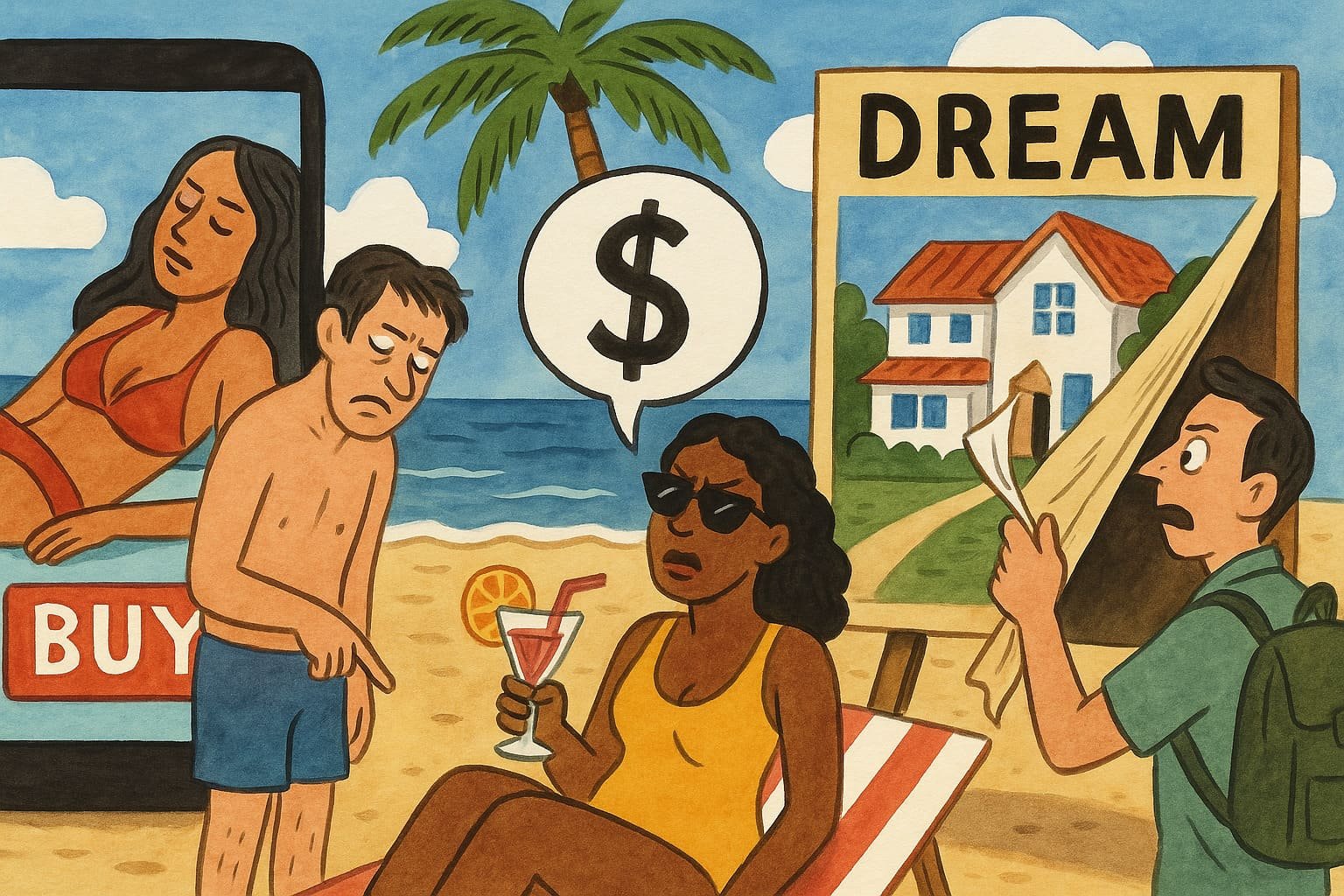
The advertisement began with sunrise over a glassy ocean. A young entrepreneur closed a laptop on a beachfront balcony, smiled without a hint of stress, and stepped into a life that seemed permanently suspended between luxury and freedom. Millions watched. Many believed it. Hidden beyond the camera’s frame were deadlines, investor calls, production delays, customer complaints, and years of uncertain decisions. The dream had been carefully edited. Reality had simply been cut from the final version.
Modern branding has become remarkably effective at selling lifestyles instead of products. Coffee promises creativity. Watches promise status. Fitness programs promise confidence. Luxury cars promise significance. Somewhere along the way, businesses discovered that people rarely buy objects alone. They buy identities, aspirations, and the possibility of becoming someone slightly different tomorrow. There is nothing inherently wrong with aspiration. Problems emerge when brands begin selling illusions that quietly replace honest expectations with manufactured fantasies.
The wellness industry offers a revealing example. Many respected companies genuinely help people improve their health through thoughtful products and evidence-based advice. Others rely on dramatic transformations, impossible before-and-after stories, and exaggerated promises that dissolve under closer examination. Customers eventually recognize the difference. Brands grounded in credibility may grow more slowly, but they often outlast competitors built on emotional shortcuts. Trust compounds patiently. Hype burns brightly, then disappears almost as quickly as it arrived.
Gabriel launched an online productivity platform after leaving a demanding consulting career. Early marketing emphasized perfect routines, flawless mornings, and effortless success because competitors were doing the same. Sign-ups increased, yet cancellations arrived just as quickly. During customer interviews, one subscriber laughed and admitted, “Nobody actually lives like the people in your advertisements.” Gabriel rewrote the company’s message, replacing polished perfection with honest conversations about setbacks, distractions, and gradual improvement. Growth slowed briefly before becoming remarkably consistent. People stayed because the brand finally sounded human.
This pattern extends well beyond digital businesses. Fashion, finance, travel, and education increasingly compete by presenting carefully curated versions of reality. Consumers scroll through endless images suggesting happiness can be purchased one subscription, one outfit, or one destination at a time. Yet lasting customer relationships rarely emerge from unrealistic promises. They grow when businesses acknowledge complexity instead of hiding it. People appreciate brands that respect their intelligence more than brands that endlessly flatter their imagination.
There is also a strategic reason honesty performs better over time. Unrealistic expectations create expensive disappointment. Every exaggerated claim raises the standard a company must eventually meet. When reality inevitably falls short, trust begins leaking through cracks that advertising budgets cannot repair. Organizations that communicate with measured confidence avoid this trap. They allow products, service, and customer experience to exceed expectations instead of spending enormous resources defending promises that never should have been made.
Ironically, vulnerability has become one of the strongest competitive advantages available to modern brands. Companies willing to discuss challenges, lessons learned, and ongoing improvements often appear more credible than those projecting constant perfection. Customers recognize effort. They recognize sincerity. Most importantly, they recognize themselves inside stories that include uncertainty rather than impossible certainty. Authentic brands do not pretend life is effortless. They help people navigate life as it actually unfolds.
A stage magician never truly fears the audience discovering that an illusion is impossible. The real fear arrives when the audience stops caring enough to watch another performance. Markets behave much the same way. Every generation eventually grows tired of polished fantasies and begins searching for voices that sound unmistakably real. When that shift happens, the loudest brands rarely win. The most believable ones do. They no longer sell a dream life. They earn a place in real lives.
