At exactly 2:17 a.m., the spreadsheet was still glowing. Rows of numbers stretched across the screen like a language designed to intimidate. Mortgage payments. School fees. Credit card balances. Rising fuel costs. The figures had not changed since midnight, yet the weight behind them somehow felt heavier with every passing minute.
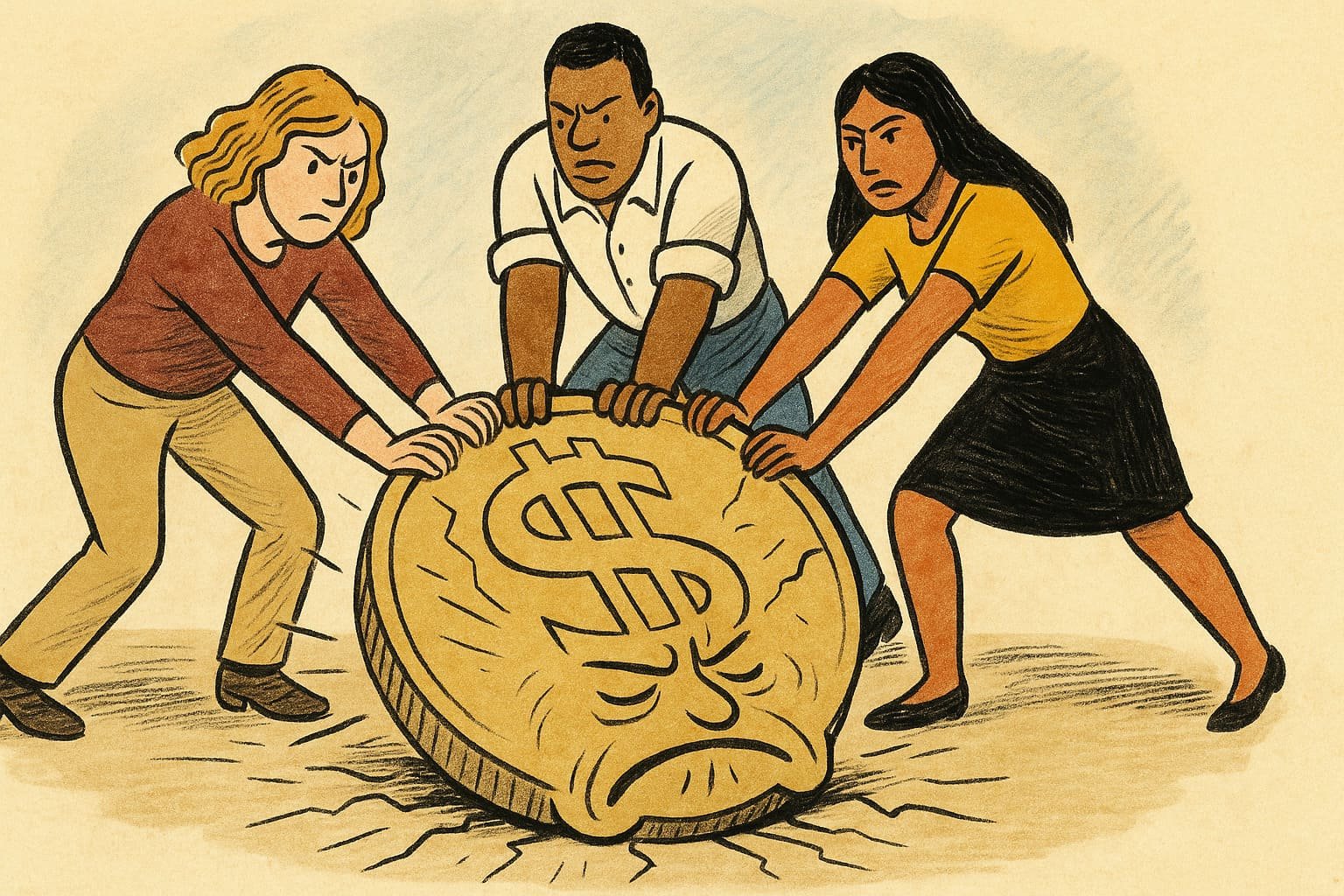
Across the world, millions of people fight the same invisible battle. They are not poor planners or reckless spenders. They simply live in an economy where uncertainty arrives faster than paychecks. Inflation shifts household budgets overnight. Markets fluctuate. Businesses face unexpected costs. Financial stress has become so common that many mistake it for a permanent feature of adulthood. It should not be.
Money problems are often presented as mathematical puzzles, but they are equally psychological ones. Anxiety changes how people think. Under pressure, small expenses appear overwhelming, long-term planning disappears, and every financial decision feels urgent. Behavioral economists have repeatedly observed that stress narrows attention, encouraging people to focus on immediate survival instead of future stability. Unfortunately, the decisions made during panic frequently create even greater problems later.
Successful businesses understand this instinctively. During uncertain periods, experienced executives rarely respond by making random cuts across every department. They begin by restoring clarity. They identify essential costs, eliminate waste, strengthen cash flow, and communicate priorities before making emotional decisions. Personal finances respond to exactly the same discipline. Financial confidence grows from understanding where money actually goes, not where people assume it goes.
Jasmine discovered this after months of believing she simply did not earn enough. Every payday disappeared within days, leaving her convinced that a higher salary was the only solution. Frustrated, she spent one weekend documenting every purchase made during the previous month. Coffee on rushed mornings. Subscription services she had forgotten existed. Food deliveries replacing meals she had planned to cook. None of the expenses seemed significant on their own. Together they quietly consumed nearly a quarter of her monthly income. The discovery felt uncomfortable, but it also felt empowering. For the first time, she was solving a real problem instead of fighting an imaginary one.
Financial resilience is rarely built through dramatic sacrifices. More often, it grows through ordinary habits repeated consistently. Spending with intention instead of impulse. Saving before spending instead of saving what happens to remain. Building an emergency fund gradually rather than waiting for perfect circumstances. Learning the difference between a purchase that improves life and one that simply improves mood for an afternoon. These habits appear modest because they work slowly. Their strength lies precisely in that patience.
There is another lesson borrowed from successful organizations. Every thriving business invests in future capacity rather than consuming every available resource today. Individuals benefit from the same philosophy. Learning new skills, creating additional income streams, investing thoughtfully, or building professional networks all expand financial resilience over time. Income matters, but adaptability often matters more. The strongest financial position belongs not only to those who earn well, but to those who can continue creating value as circumstances change.
Perhaps the greatest misunderstanding about money is that peace arrives only after reaching a particular number in the bank. Yet history is filled with wealthy individuals overwhelmed by financial anxiety and modest-income families living with remarkable confidence. The difference often lies in control rather than abundance. Knowing where money is going creates a sense of stability that constant uncertainty never can.
The spreadsheet was still open when dawn finally arrived. The numbers had not magically improved overnight. Neither had the bills. Yet one thing had changed. The page no longer looked like an enemy. It had become a map. Every figure represented a decision waiting to be made, not a verdict waiting to be accepted. And that is where financial freedom usually begins, not with more money, but with seeing money clearly enough to let it serve your future instead of silently controlling your present.
