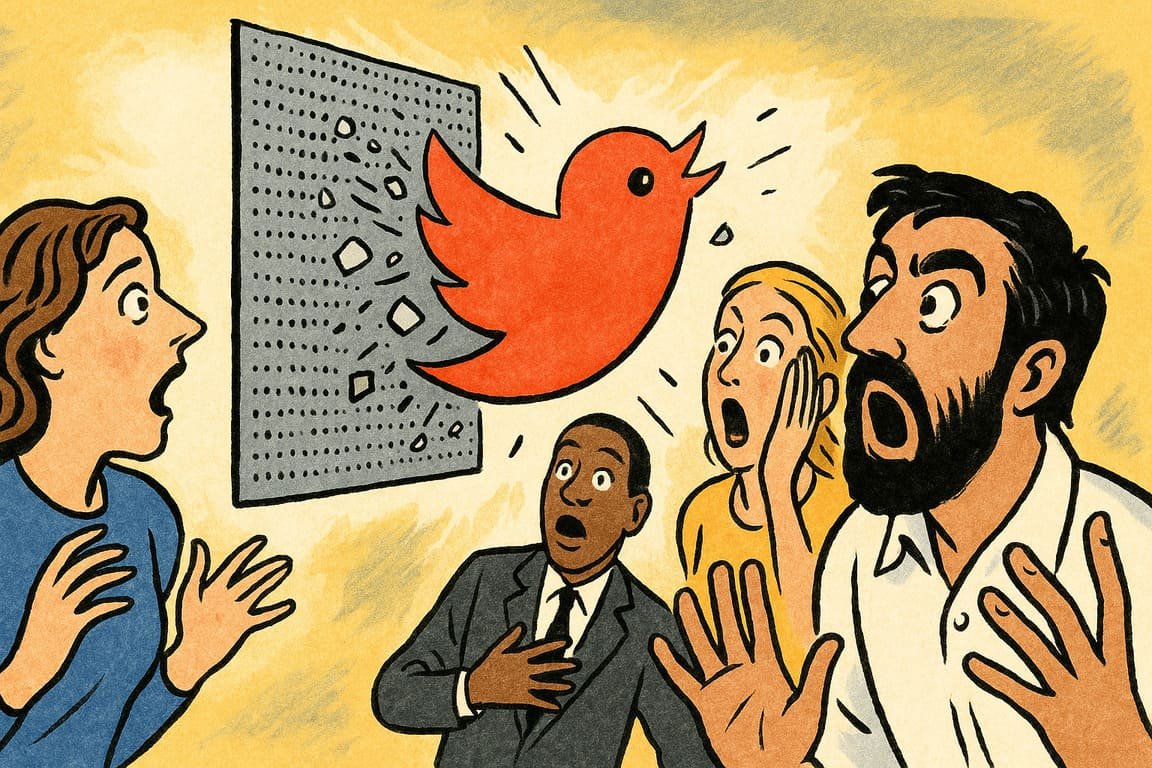
Night blurs into day in a city strung with LED billboards and buzzing screens, where a single tweet can ignite a revolution. Down an alley lit by the glow of smartphones, a small team huddles in a cramped workspace, watching as their hashtag leaps from obscurity to national news. Nobody knows who will break the internet next, only that the rules are changing faster than any manual can keep up. In these unpredictable hours, viral marketing is both chaos and craft, shaping culture one share at a time.
You’ve seen the magic unfold: a brand that was yesterday’s punchline becomes today’s obsession, a jingle worms into your mind, a meme propels a forgotten product to the top of everyone’s wish list. The secret behind these “overnight” successes is no accident—it’s the result of risk-taking, relentless listening, and sometimes, sheer luck. Dollar Shave Club’s launch video, filmed on a shoestring in a dingy warehouse, didn’t just sell razors. It exploded conventions, making irreverence and relatability the new currency. Their founder’s brash charm and perfectly timed punchlines gave viewers permission to laugh and click “buy now.” The ripple spread as competitors scrambled to catch up.
Sometimes, it’s a whisper, not a shout. Think of Oreo’s legendary “You Can Still Dunk in the Dark” tweet during a power outage at the Super Bowl. It wasn’t a million-dollar ad, but a nimble social team tuned to the moment. Their quick wit and perfect timing made marketing history. Brands that win viral status don’t just talk—they listen, watch, and respond with lightning speed.
In Japan, a sleepy train company stunned the country by dressing its conductors in Pikachu costumes for a day. Photos went viral, ticket sales jumped, and the campaign lived on in pop culture long after the event ended. The move was silly, risky, and rooted in cultural context. The lesson? Virality loves authenticity and playful disruption.
You hold more power than you think. Take Lil Nas X’s rise with “Old Town Road.” The song didn’t start as a corporate campaign. Instead, it hijacked TikTok trends, fueled by memes and bedroom remixes. The audience became the engine, propelling the track to global fame. Brands that try to force virality usually fail. The ones who invite audiences to remix, riff, and play often win big.
In South Africa, a chicken chain called Nando’s has built a cult following by roasting political leaders in its ads, using biting humor and cultural references that spark debates at dinner tables and on news shows. The result is more than sales: it’s influence, attention, and the power to shape national conversations. Brands that dare to polarize, that choose personality over safe consensus, can become legends overnight.
The anatomy of viral success is never predictable. In New York, a bakery gave away “mystery cookies” based on customer polls. Photos of the wildest creations—curry-lime, candied bacon, rainbow sprinkles—flooded Instagram, lines curled around the block, and food blogs took notice. The bakery didn’t just make dessert; they handed customers the story, and the world couldn’t look away.
Every case study reveals the same core truth: viral marketing is about resonance, not reach. It’s the dance between brand and audience, where the audience leads more often than not. You’ll see brands trying to “go viral” by mimicking last week’s hit, only to fade into irrelevance. The real stars are the ones who risk embarrassment, test new waters, and turn blunders into moments of connection.
You don’t need a Hollywood budget or celebrity endorsement. The Ice Bucket Challenge spread worldwide from a simple dare among friends, raising millions and shifting public awareness of ALS. The genius wasn’t in branding, but in letting people be heroes and fools for a good cause. Viral movements thrive when people feel ownership, when sharing feels like belonging.
Even the best fail sometimes. Pepsi’s infamous protest ad, meant to spark unity, instead drew instant backlash for missing the mark on culture and authenticity. The backlash went viral too, but for all the wrong reasons. The lesson stings: if you chase the moment without understanding it, the internet will bite back. Viral marketing isn’t about speed alone—it’s about truth, timing, and humility.
Viral success often rides on vulnerability. A tiny indie game studio called Innersloth saw “Among Us” become a global obsession not because of a master plan, but after months of obscurity and one big Twitch streamer’s embrace. The team owned their awkwardness, leaned into community feedback, and let the world join the joke. Sometimes, letting go is the only way to win.
In a quiet dawn, yesterday’s trending hashtag fades as another story takes its place. Somewhere, a marketer refreshes analytics, wondering what they missed, while a teenager shares a meme that will light up the next news cycle. The crowd moves on, but the true legends have left fingerprints on culture, proving that what goes viral is never just a stunt—it’s a mirror for what people crave and fear.
Viral moments pass, but the courage to play, to listen, and to let go is always waiting for its next champion.
Will you risk everything for your story to catch fire?
