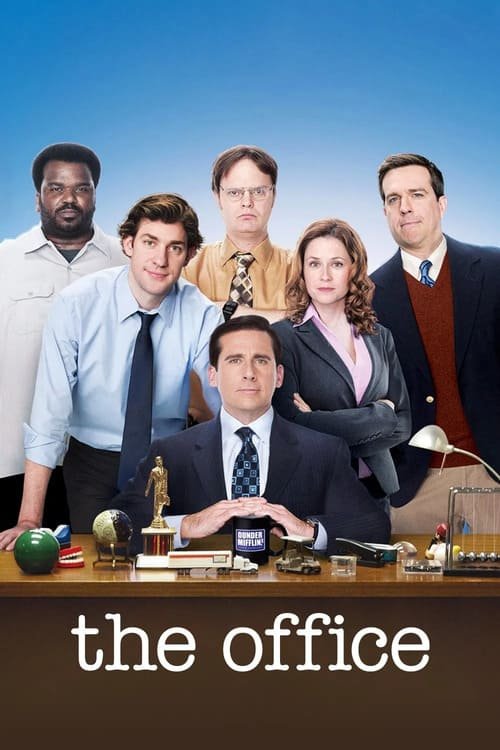
Sometimes a TV show comes along that shatters every preconception you have about what’s possible within four beige walls, a flickering fluorescent light, and a stack of paper. The Office, which first aired in 2005, wasn’t just another sitcom about workplace shenanigans; it was a sharp, sometimes awkward, always hilarious mirror held up to our own lives. This wasn’t just comedy for comedy’s sake; it was a new blueprint for how we see work, friendship, ambition, and even heartbreak. For millions, Dunder Mifflin’s Scranton branch became a second home, a place to laugh, cringe, and secretly root for every offbeat character.
A huge part of the show’s allure comes from how it blends authenticity and absurdity. The camera lingers just long enough on uncomfortable silences, capturing the essence of real office life while sprinkling in pure chaos from Michael Scott’s wild leadership style or Dwight Schrute’s paranoia. Unlike any other comedy, The Office made the little moments—awkward pauses, forced birthday parties, those endless meetings—feel monumental. It invited viewers to appreciate the humanity hiding in even the dullest routines.
But the genius doesn’t stop with the writing or the deadpan delivery. There’s a special alchemy in the way the cast brings this world to life. Steve Carell’s Michael Scott is both the world’s worst and most endearing boss. Rainn Wilson’s Dwight takes loyalty to bizarre heights. Jenna Fischer’s Pam and John Krasinski’s Jim craft a slow-burn romance that’s more genuine than anything Hollywood usually dishes out. The chemistry on screen turns small victories and defeats into events that echo the frustrations, dreams, and comedic moments of real-life workplaces everywhere.
For anyone who has ever found themselves staring at a computer, dodging an eccentric coworker, or plotting escape from another pointless meeting, The Office resonates in an almost primal way. It’s funny because it’s true, but it’s unforgettable because it finds joy and meaning in the day-to-day grind. The show’s documentary style brings an intimacy that makes every viewer feel like an insider, part of the crew, or a conspirator in Jim’s pranks.
Even after nearly two decades, The Office’s impact is impossible to ignore. It’s sparked countless memes, fueled watercooler debates, inspired management seminars, and shaped how a generation thinks about leadership, teamwork, and identity at work. If you’ve ever wondered why a show about selling paper can spark such devotion, you’ll find the answer in the subtle wisdom and raw, emotional punch The Office delivers with every episode.

Quick Notes
- Relatable Characters: Every personality type is present, from the try-hard boss to the disillusioned intern.
- Unmatched Comedy Style: Deadpan humor, mockumentary format, and awkward silences create a fresh comedic language.
- Workplace Lessons: The show sneaks in surprising insights about leadership, teamwork, and self-worth.
- Timeless Pop Culture Impact: The Office memes and quotes have become internet currency and HR training material alike.
- Emotional Depth: Beneath the pranks and mishaps lies a real exploration of relationships, purpose, and ambition.
Paper Cuts and Belly Laughs: A Deep Dive Into Dunder Mifflin’s World
Dunder Mifflin might sell paper, but what really gets shipped out of Scranton is a constant stream of relatable chaos. The Office starts by introducing a team that feels like it could exist in any city, any country, any office park. The manager, Michael Scott, tries desperately to be loved and admired, yet almost always ends up the punchline of his own misadventures. His attempts at leadership range from bizarre to misguided, but his sincerity and longing for connection offer a hidden depth that rewards repeated viewings.
Pam Beesly, the unassuming receptionist, quietly observes the absurdity that unfolds daily. Her slow transformation from passive observer to active participant in both her career and her personal life becomes one of the most satisfying arcs in television. Alongside her, Jim Halpert plays the charming everyman, always ready with a knowing look at the camera. His witty pranks on Dwight Schrute, the loyal and hyper-competitive assistant regional manager, inject ongoing hilarity, but their dynamic also uncovers the need for recognition and validation that lurks behind workplace rivalry.
The supporting cast builds a tapestry of personalities. Each episode peels back new layers on the seemingly background figures: Angela’s rigid morality, Kevin’s lovable cluelessness, Creed’s cryptic one-liners, Kelly’s pop culture obsessions, Stanley’s dry retorts, and Oscar’s subtle sarcasm. This diversity of voices ensures no two scenes ever feel repetitive, and every viewer can spot a bit of themselves—or their coworkers—somewhere in the Dunder Mifflin roster.
The documentary-style filming adds a layer of authenticity. The presence of an unseen camera crew provides characters with opportunities to break the fourth wall, letting the audience in on their private thoughts, secret ambitions, and unfiltered reactions. These moments are not just comedic devices; they deepen the emotional connection viewers feel with each character, turning everyday mishaps into high-stakes drama or high-octane comedy.
The Office doesn’t shy away from tough topics either. The show explores issues of diversity, gender dynamics, office romance, ambition, disappointment, and loyalty without ever feeling preachy or forced. Through all the jokes and gags, the series asks hard questions: What does it mean to be a good leader? How do you find happiness at work? What does loyalty look like when the job isn’t your dream? The answers are sometimes hidden beneath layers of cringe and laughter, but they’re always there for those who look.
Work Wisdom, Life Lessons: What The Office Teaches (and Why It Matters)
Navigating office politics requires a toolkit of empathy, adaptability, and wit—qualities The Office puts under the microscope with every episode. While Michael Scott often bumbles through HR landmines and accidental insults, his intentions are frequently rooted in a desire for camaraderie. His journey reveals that the best leaders are not always the smartest or most skilled, but those who care about their people and admit when they’re wrong. Through Michael’s many missteps, viewers learn that vulnerability and authenticity can build loyalty even when skill or strategy fall short.
The evolving relationship between Jim and Pam offers a blueprint for pursuing happiness within the limits of the daily grind. Their small, secret gestures, late-night talks, and unwavering support for each other transform the sterile office landscape into a backdrop for real intimacy. The show reminds us that fulfillment often grows not from grand gestures but from the quiet moments of kindness, understanding, and encouragement exchanged between people who care.
Dwight’s intensity and rigid sense of duty often clash with the more laid-back office culture, but his devotion to the company is a masterclass in taking pride in one’s work. Dwight’s arc is a testament to perseverance, showing that commitment, even when misunderstood, can eventually lead to recognition and growth. He also illustrates the value—and the risk—of embracing your quirks rather than masking them, a lesson for anyone who has ever felt like the odd one out in their workplace.
Even the show’s most minor characters underscore the importance of inclusion and respect. Stanley’s insistence on personal boundaries, Oscar’s quiet navigation of workplace bias, and Creed’s enigmatic wisdom all prove that every individual brings unique strengths and stories to a team. When businesses embrace the full spectrum of personalities and backgrounds, creativity and resilience thrive.
The Office is also a clinic in the art of the pivot. Downsizing threats, branch mergers, and sudden shakeups force the team to adapt over and over. Through these challenges, the show reveals the power of flexibility and creative problem-solving. In a world where change is the only constant, the ability to find opportunity in adversity becomes an essential skill. Dunder Mifflin’s survival isn’t about having all the answers, but about being ready to reinvent and support each other when everything feels uncertain.
From Scranton to the World—Why The Office Will Outlast Every Fad
The final chapter of The Office leaves viewers with more than just a collection of unforgettable quotes and meme-worthy moments. The series wraps up with genuine reflection and a celebration of the ordinary miracles that unfold every day in places most people overlook. As the cast gathers for one last group photo, every character’s journey feels earned, layered with growth and hard-won insight. The show’s conclusion is both a fond farewell and an invitation for viewers to look at their own work lives with new appreciation.
Years after its original run, The Office continues to draw new fans who find comfort, humor, and even life advice in its episodes. It’s not just nostalgia fueling its popularity, but an ongoing relevance. Hybrid work, remote teams, and digital collaboration might change how offices look, but the core human needs—for belonging, meaning, recognition—remain timeless. Dunder Mifflin’s lessons apply whether you’re hustling at a startup, building a career in a global corporation, or running your own business from a kitchen table.
Real-world case studies underscore this impact. Managers now use scenes from The Office to teach emotional intelligence, conflict resolution, and the value of authentic leadership. Companies highlight Jim and Dwight’s evolving partnership as a case study in team dynamics. HR professionals cite Michael’s blunders as what-not-to-do examples for new supervisors. Even wellness consultants point to Pam’s creative pursuits and boundary-setting as models for personal growth and work-life balance.
Perhaps the most powerful takeaway from The Office is its celebration of imperfection. Unlike so many shows that glorify flawless heroes or easy answers, The Office is all about the journey—about learning from failures, laughing at missteps, and cherishing the relationships that make even the worst days bearable. It’s a masterclass in finding the extraordinary in the ordinary.
Ultimately, The Office endures because it feels like home. It’s a reminder that, with the right people, even the most unremarkable job can become a launching pad for self-discovery, laughter, and the kind of memories that last a lifetime. For anyone seeking inspiration, laughter, or a new perspective on work, The Office is a gift that keeps on giving, episode after episode.
Disclaimer
It’s also critical to remember that whether the TV show is either a work of fiction or a real-life depiction, it must be emphasized that the actions depicted within are not encouraged in reality and shouldn’t be imitated.
