
Television rarely dares to shake the foundations of its audience, but Snowfall arrives as a relentless force that refuses to be ignored. Every episode draws viewers into the epicenter of 1980s Los Angeles, at the dawn of the crack cocaine epidemic—a storm fueled by ambition, desperation, and impossible choices. This isn’t just another crime drama. Snowfall plunges headlong into the brutal mechanics of survival and the devastating ripple effects of a single, monstrous decision. Its impact echoes far beyond the screen, reverberating through history and igniting debates that still matter today.
What sets Snowfall apart is not just its unflinching depiction of street-level hustlers or the seductive thrill of fast money. The series stitches together the lives of families, communities, CIA agents, and shadowy operatives, exposing the complicated web behind the drug trade’s explosion. The genius of creator John Singleton shines in every scene, as he refuses to flatten his characters into tired archetypes. Instead, he delivers fully realized, conflicted humans—each facing impossible trade-offs, haunted by the ghosts of lost innocence and compromised dreams.
Viewers quickly realize they are not watching fiction, but a tapestry woven from countless real-life threads. The crack epidemic transformed neighborhoods overnight, shattering trust and forging unlikely alliances. In the middle stands Franklin Saint, a young, brilliant entrepreneur whose hunger for respect and power draws him ever deeper into darkness. His story isn’t isolated. It echoes the rise of figures like Freeway Rick Ross, whose empire shook the foundation of West Coast society, and whose influence continues to shape the conversation about crime, justice, and hope.
Snowfall’s artistry extends beyond plot. The show’s cinematography captures the golden glow of California evenings, only to turn abruptly to harsh shadows and claustrophobic streets. The soundtrack pulses with the tension and energy of the era, while dialogue crackles with wit, fear, and longing. Each detail grounds the series in authenticity, forcing audiences to confront the seductive power and inevitable tragedy of the drug trade. Nothing feels safe; everything is at risk.
Hooked from the first minute, viewers find themselves questioning not just the choices of the characters, but the policies, politics, and prejudices that created the world they inhabit. Snowfall challenges comfortable narratives, exposing the consequences of both personal ambition and government intervention. It’s a series that refuses to offer easy answers, compelling audiences to consider the price of power and the fragility of trust. No one walks away unchanged.
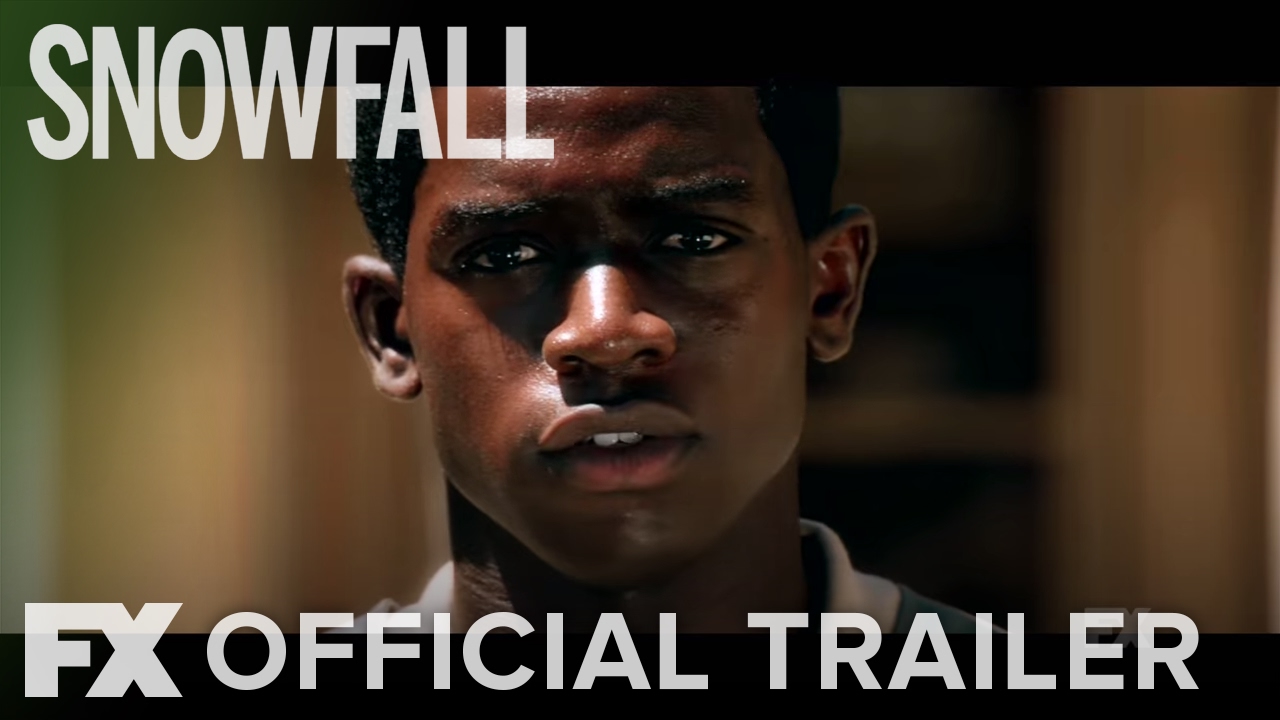
Quick Notes
- Snowfall masterfully exposes the origins and fallout of the crack epidemic, tracing lines from government actions to street-level struggles.
- Franklin Saint’s journey from ambitious youth to hardened kingpin is both mesmerizing and heartbreaking.
- The series seamlessly blends personal drama with wider social, economic, and political forces, making it essential viewing for anyone curious about modern America.
- Every character, from CIA operatives to grieving mothers, carries a secret and a scar—there are no simple villains or heroes.
- The cinematography, writing, and soundtrack combine to create a deeply immersive world that captures both the allure and the horror of fast money.
How One Choice Sparked an Avalanche
Snowfall begins with Franklin Saint, a bright, determined teenager living in South Central Los Angeles. Faced with limited options and a burning desire to lift his family out of poverty, Franklin dives into the illicit world of cocaine. His intelligence and fearlessness quickly attract dangerous partners. What starts as a side hustle soon spirals into a life-or-death game with ever-escalating stakes. The show paints a vivid portrait of how a single decision can unravel the fabric of a life and a neighborhood.
Parallel to Franklin’s story, Snowfall tracks the journey of Gustavo “El Oso” Zapata, a Mexican wrestler drawn into the world of smuggling, and Teddy McDonald, a CIA operative who bends the law to finance covert operations abroad. These storylines converge, revealing the hidden connections between government policy and street-level chaos. The show’s narrative structure is as intricate as a chessboard, each move setting off unforeseen consequences. Tension escalates as the characters’ fates intertwine in ways neither they nor viewers expect.
Over the seasons, Franklin’s world expands. Allies become rivals, friendships shatter under the weight of betrayal, and every triumph carries a bitter cost. The show refuses to romanticize the drug game, laying bare the physical and psychological toll on everyone involved. Scenes oscillate between luxury and violence, hope and devastation, forcing viewers to acknowledge the full complexity of Franklin’s choices. Every step up the ladder makes the fall that much harder.
Snowfall’s real power lies in its refusal to let anyone off the hook. Law enforcement, politicians, and the intelligence community all play a role in the story’s tragic arc. The show explores the true story of the CIA’s alleged complicity in funding Nicaraguan contras through the drug trade, making the drama feel both immediate and historically urgent. The impact on families, friendships, and entire communities is laid bare, with characters grappling with guilt, loss, and the need to survive another day.
As the series hurtles toward its explosive climax, the illusion of control disintegrates. Franklin’s empire, built on quick decisions and ruthless ambition, becomes a gilded cage. Every alliance is tested, every dream tainted by the fallout of choices made in desperation. The final episodes leave viewers breathless, hearts pounding, as Snowfall asks the ultimate question: what is the real price of power, and who pays it in the end?
Key lessons and Insights to learn from the TV show
Power, once tasted, rarely leaves the hands of its holder untouched. Franklin Saint’s transformation is a masterclass in ambition and loss. His journey highlights the temptation to chase a better life, yet reveals how easily noble intentions can morph into rationalizations for ever-darker decisions. Countless real-life entrepreneurs, from business moguls to political operatives, have learned the same lesson—the pursuit of success often demands sacrifices few are truly prepared to make.
Snowfall exposes the myth of individual agency in a world shaped by invisible hands. Every character’s fate is linked to larger forces: government experiments, economic inequality, and systemic racism. The show’s depiction of the CIA’s covert activities serves as a reminder that personal choices are often shaped—and sometimes doomed—by decisions made far beyond one’s control. Real-world parallels abound, from the Tuskegee experiments to the ongoing impact of redlining and mass incarceration in American cities.
Loyalty and betrayal thread through every relationship. The cost of trust in an environment fueled by desperation is always high. Franklin’s bonds with friends and family are repeatedly strained by the demands of business and survival. This dynamic echoes real-life criminal empires and legitimate organizations alike. The recent downfall of Sam Bankman-Fried’s FTX empire, for instance, revealed how quickly partnerships fracture when the stakes become life-altering.
The show also underscores the corrosive effect of secrecy and shame. Characters lie not just to each other, but to themselves, creating a cycle of denial that becomes impossible to escape. Franklin’s refusal to acknowledge his own vulnerability hastens his unraveling, just as leaders in business and politics sometimes conceal fatal flaws until disaster strikes. The story of Bernie Madoff’s Ponzi scheme offers a sobering case study of how secrecy and self-delusion can destroy even the most promising ventures.
Perhaps the most urgent lesson is that survival alone is not enough. Snowfall challenges viewers to consider what they are willing to risk in pursuit of comfort or power. The characters who endure are those who learn to adapt, seek redemption, and accept the consequences of their actions. From real-world figures who rebuilt their lives after public disgrace to communities recovering from trauma, the show’s message is clear: resilience, humility, and honesty offer the only true path forward.
Why Snowfall Is the Series That Won’t Let You Go
Long after the credits roll, Snowfall continues to haunt and challenge its audience. The show’s storytelling cuts deeper than mere entertainment, leaving behind the raw ache of unresolved questions and unhealed wounds. Watching Franklin Saint rise and fall, viewers confront the uncomfortable reality that every shortcut, every compromise, has a price. The series refuses to offer tidy resolutions, insisting instead on a nuanced, painfully honest depiction of life in the shadow of the American dream.
For fans of crime dramas and social commentary alike, Snowfall delivers a rare combination of adrenaline and introspection. The show’s willingness to embrace moral ambiguity elevates it above its peers, ensuring that every character’s victory and defeat feel earned. Franklin’s arc stands as both a cautionary tale and a cry for understanding, echoing the stories of countless young people who faced impossible choices in a broken system. The resonance is undeniable, and the lessons linger.
Snowfall should be required viewing for anyone grappling with questions of justice, opportunity, and redemption. Its exploration of the crack epidemic’s true origins serves as a reminder that policy decisions and cultural myths have far-reaching, often devastating, effects. Real-life parallels, from the opioid crisis to today’s debates over criminal justice reform, make the series’ themes more urgent than ever. Each episode serves as a call to action—to demand accountability, seek out truth, and fight for those caught in the crossfire.
The artistry of Snowfall is matched only by its empathy. Viewers may find themselves unexpectedly rooting for characters they would never meet in real life, drawn into their struggles and heartbreak. The show refuses to reduce anyone to a statistic or a stereotype, offering instead a richly textured portrait of a community under siege. This emotional connection keeps the narrative sticky and unforgettable, making it easy to recommend but impossible to shake.
Ultimately, Snowfall stands as a towering achievement in television, a series that forces viewers to confront the cold reality beneath the glittering surface of the American dream. The true power of the show lies in its refusal to look away—insisting that audiences stay present, stay engaged, and never stop questioning what they see. This is storytelling at its bravest, and its most necessary.
Disclaimer
It’s also critical to remember that whether the tv show is either a work of fiction or real life depiction it must be emphasized that the actions depicted within are not encouraged in reality and shouldn’t be imitated.
