A midnight coffee shop hums with soft jazz, students hunched over laptops and couples trading glances across steaming cups. Above their heads, a mural pulses with swirling colors, its forms half-abstract, half-story. On every table, phones flash with notifications—brands speaking in the new language of feeling. Outside, billboards flicker with bright shapes and bold fonts, but inside, the real magic is subtle: a logo that feels like a promise, a color that calms, a digital graphic that triggers longing or laughter in a single heartbeat. This is not accidental. It’s the art of the emotional spell, cast by designers who have learned to turn pixels into a powerful kind of alchemy. The air itself buzzes with connection. A single glance is all it takes.
You already know the pull. A campaign launches, and suddenly you feel nostalgic for a time you never lived through, hungry for a flavor you haven’t yet tasted, loyal to a brand you met seconds ago. Graphics slip past your logic, straight to the place where memories form and dreams are born. That’s why you save the image, share the meme, or double-tap a stranger’s post. The magic isn’t in the sales pitch—it’s in the emotion stirred up before you have time to resist.
It’s easy to underestimate this power. But brands know that emotional graphics are the fastest way to cut through noise, spark loyalty, and stay in your head long after the screen goes dark. Think about the first time you saw Spotify’s “Wrapped” graphics, or the chills from Nike’s Black Lives Matter tribute—those images reached deeper than any ad copy. Design becomes a memory, a moment, a secret handshake between you and the brand.
Every day, you’re surrounded by this invisible language. Colors that prompt trust or action, shapes that comfort or excite, even the rhythm of animation in your favorite app—all orchestrated to stir feeling. Emotional graphics work because they don’t shout. They invite, nudge, or haunt. You might not remember the details of a campaign, but you’ll remember how it made you feel. That feeling lingers, guiding your choices in ways you can’t always explain.
Some brands take risks, daring to trigger bold or even polarizing emotions. Remember when Ben & Jerry’s unveiled its rainbow graphics to stand with a movement? Or the viral heartbreak when Google’s Doodle honored a fallen hero? Those graphics weren’t designed to be pretty. They were designed to make you pause, to make you care, to make you act. Emotional spells work best when they’re honest—even a little raw.
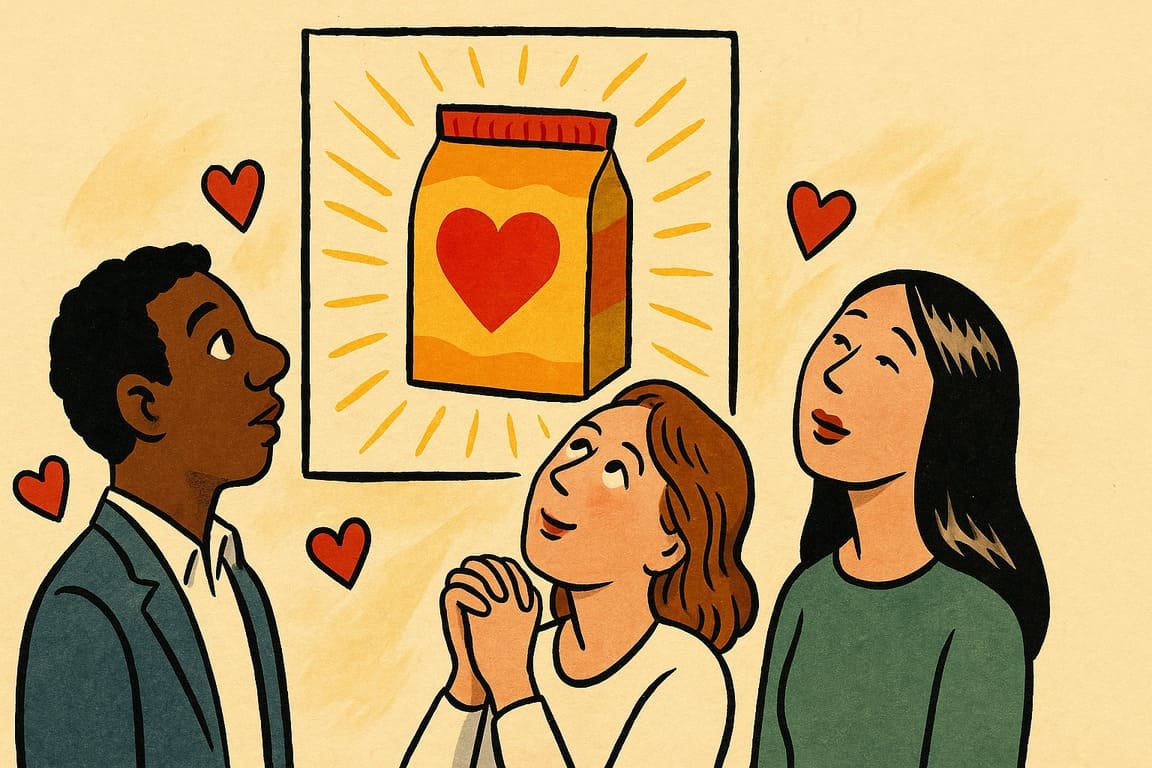
The designers behind these spells obsess over psychology, not just aesthetics. They know that nostalgia, hope, surprise, and belonging are tools more powerful than any font or palette. You notice how the best brands lean into vulnerability, embracing imperfection to create intimacy. It’s no accident when a pet food company makes you tear up with a rescue story or when a cosmetics brand empowers with bold, messy color. They want you to feel seen.
Personal stories become the beating heart of emotional graphics. When Starbucks launched a campaign spotlighting real baristas’ dreams, customers felt like insiders—not just buyers. When a small tech startup filled their Instagram with hand-drawn notes from customers, their following exploded. Each graphic became a tiny confession, a shared truth, a moment of connection that algorithms alone can’t fake.
You crave this magic. You look for brands that make you feel something genuine, something bigger than a price or a promo. When you share their graphics, you’re not just spreading the message—you’re amplifying the feeling. Your timeline becomes a mood board for your own heart, each image a piece of your story.
The spell works because it’s personal. You can spot the difference between canned graphics and the ones that pulse with real emotion. The best design teams listen first, then create: reading your comments, watching your reactions, even asking for your voice in the process. That’s how they turn your feedback into graphics that feel tailor-made.
The emotional graphic spell is not manipulation. It’s a handshake. A brand says, “We see you,” and you say, “I trust you.” This contract, unspoken but strong, is why you’ll follow a brand across platforms, defend it in debates, and remember its name years after you’ve moved on. In a crowded world, feeling is the shortcut to memory.
Some brands lose their way, breaking the spell with insincerity or overuse. But the ones that keep winning your heart do so with humility and truth. They risk being vulnerable. They invite your story in. They admit when they get it wrong, and they celebrate when you get it right. Emotional graphics become the signature of a brand that puts humanity before hype.
As the jazz winds down and the crowd filters into the night, the mural above the coffee shop door glows quietly, colors dancing in the streetlight. In apartments across the city, screens go dark, but the feeling remains—a gentle ache, a flicker of joy, a sense of being understood. Somewhere, a designer sketches a new logo by candlelight, hoping to bottle another piece of wonder for tomorrow.
You will remember the spell. The only question is: which brand will make your heart race next?
