Inside a high-rise studio in San Francisco, a startup team gathers to unveil their latest creation. Each keystroke, every design tweak, is judged instantly—first by metrics, then by the relentless echo of machine feedback. Notifications light up, analytics dashboards pulse with real-time stats, and emojis rain approval or condemnation before a coffee has even cooled. No one speaks; everyone waits for the ping that means success.
Outside, in crowded subways and silent bedrooms, people measure worth by likes, ratings, and star reviews. A baker in Copenhagen wakes up dreading new comments on her online menu. A vlogger in Johannesburg checks his subscriber count before brushing his teeth. Their moods rise and fall on the invisible waves of algorithmic judgment.
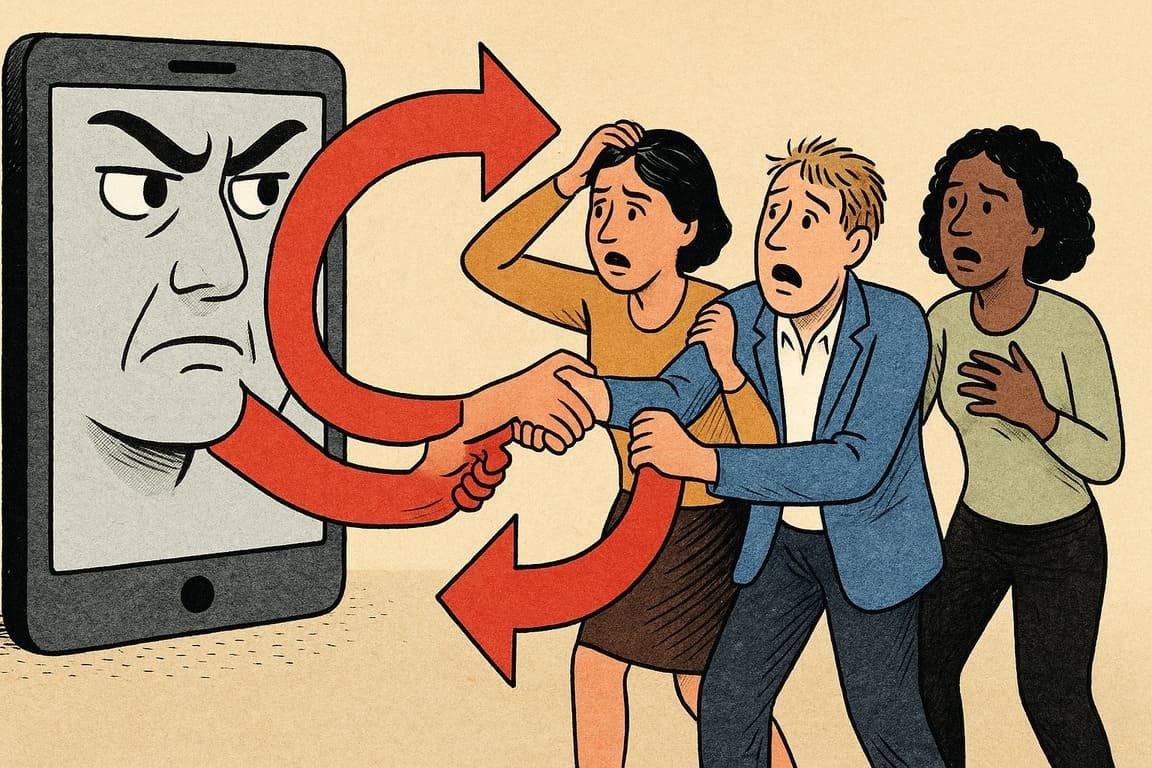
Feedback was once a gentle conversation, a mentor’s note, or a smile in a meeting. Now, it’s instant, infinite, and mechanical—reshaping not just work, but the very core of what it means to be seen, valued, or ignored. The digital world promises growth, but the price is a loop that never stops spinning.
This is the age of the tech feedback loop—a force so powerful it can rewrite people, careers, and culture, all in the pursuit of approval from a screen that never blinks.
Quick Notes
- The Infinite Mirror: Machine feedback is endless, trapping users and workers in cycles of seeking validation, often at the expense of their wellbeing.
- Metrics Over Meaning: Instant ratings and analytics reshape creativity, work habits, and relationships—valuing numbers over nuance.
- Feedback Addiction: The promise of “just one more like” or “another positive review” creates compulsive behavior, as real identity is lost to digital scorekeeping.
- Societal Satire: Pop culture and workplace stories highlight the absurdity and risk of chasing mechanical approval at all costs.
- Breaking the Loop: Innovators and leaders are learning to set boundaries, refocus on real connection, and use technology for growth rather than addiction.
The Infinite Mirror: Living for the Next Ping
In the digital workplace, feedback is constant and often merciless. Tech platforms like GitHub, Uber, and TikTok offer instant metrics on everything—from code commits to car rides and viral dances. Every action generates a response, and every response becomes another reason to act.
Lin, a freelance writer in Singapore, confesses her mornings start with a stats check. “I wake up to numbers—views, comments, shares. If they’re down, my whole day changes.” The cycle is addictive, as each notification feels like a verdict on her worth.
This loop isn’t limited to the creative class. Retail employees receive real-time ratings from customers. Ride-share drivers are suspended for dipping below arbitrary star thresholds, judged by people they may never meet again.
The design is intentional. By offering instant feedback, platforms keep users hooked. Social networks auto-refresh likes and comments, so the stream never dries up. As comedian Hasan Minhaj quipped, “I don’t know if I’m living my life or managing a brand.”
The mirror only shows what the machine wants you to see.
Metrics Over Meaning: When Numbers Replace Nuance
Once, feedback meant thoughtful critique. Now, it’s mostly data—thumbs up, five stars, emojis, or a dip in the dashboard. The system reduces complex efforts to binary results: pass or fail, viral or ignored.
Rashid, a chef in Casablanca, poured his heart into a new dish. The algorithm, however, pushed it down the feed after two mediocre reviews. “I made food for people, not for the machine,” he sighs, “but now it feels like the machine decides what’s good.”
Workplaces also chase numbers. A Seattle sales manager ties bonuses to email open rates and CRM stats. Nuance is lost; genuine connection becomes collateral damage in the rush for digital proof.
Streaming platforms pick winners based on minutes watched, not artistry. A show can be canceled overnight if it doesn’t hook viewers in sixty seconds, regardless of its cultural value.
Pop culture mocks this obsession. “The Office” rebooted itself as a fake streaming show, where cast members anxiously check their own ratings instead of connecting with fans.
In a world ruled by metrics, the human voice grows quiet.
Feedback Addiction: When Approval Becomes a Fix
The feedback loop doesn’t just drive business—it rewires brains. Dopamine surges after a viral tweet, or a surge of hearts, mimic the high of gambling or sugar. People become feedback junkies, checking for approval dozens of times a day.
Hannah, a fashion influencer in Milan, admits to deleting posts that don’t perform. “If it doesn’t get enough likes in an hour, it’s gone.” Friends tease her, but the compulsion is real.
Students in Los Angeles form study groups around “likes,” ranking each other’s essays by online applause, not teacher guidance. The pressure creates anxiety, insecurity, and, sometimes, dishonesty.
In a London call center, supervisors gamify performance with leaderboards and badges. Employees burn out chasing ever-shifting targets, never sure if they’ll be “top rated” or replaced.
Documentaries like “Fake Famous” reveal how people fake lives to please the machine. It’s not about connection anymore—it’s about scoring higher.
What starts as motivation turns into dependency, and the real self fades.
Societal Satire: When Machines Judge the Masses
Satirists and creators are sounding the alarm. TV series like “Black Mirror” and “Upload” exaggerate worlds where everyone’s value is public, instantly updated, and always at risk of collapse. Viewers laugh, but the recognition is uneasy.
A viral TikTok trend parodied “five-star relationships,” as couples rated each other’s affection in real time. The joke turned dark when real couples argued over “dropping scores.”
Corporate offices join the charade. Quarterly reviews become public charts. Colleagues know each other’s “net promoter score” but rarely their favorite song or dream vacation.
Celebrities fall victim, too. When an actor’s post doesn’t hit trending, publicists panic and pivot the strategy. “We’re all being judged by the same robot,” quipped pop star Lizzo, “and the robot never smiles.”
Humor, horror, and heartbreak blend in these portrayals. Society recognizes the madness, but struggles to unplug.
Breaking the Loop: Finding Humanity Beyond the Ping
Not everyone is willing to be rewritten by the machine. A new wave of digital rebels is pushing back. Companies like Basecamp limit internal feedback, encouraging longer-form conversation over knee-jerk reactions.
A youth center in São Paulo teaches teens to use social media mindfully—posting less, connecting more, and measuring value in real hugs, not digital hearts. The first week was hard, but soon laughter replaced silent scrolling.
Artists and writers form “slow feedback” collectives, sharing work only in trusted groups, focusing on growth over virality. Their projects move slower, but they say the reward is real.
Platform leaders take note. Instagram and Twitter now let users hide likes, returning control to the creator. Workplaces are experimenting with “quiet weeks” where feedback is paused, allowing people to rediscover intuition and creativity.
The lesson spreads: feedback is only as good as the life it builds.
Unplugged and Unwritten: The Day the Loop Broke
In a rooftop studio, a designer steps away from the screen. For a moment, the only feedback is the wind, the sound of the city, the beat of her own heart. Across the world, someone smiles after sharing a story not for likes, but for love. Real connection outlasts the algorithm. The machine’s loop breaks, and a new rhythm—human, slow, unscored—begins. You hold the power to rewrite your story. Step outside the loop, and watch who you become.
