
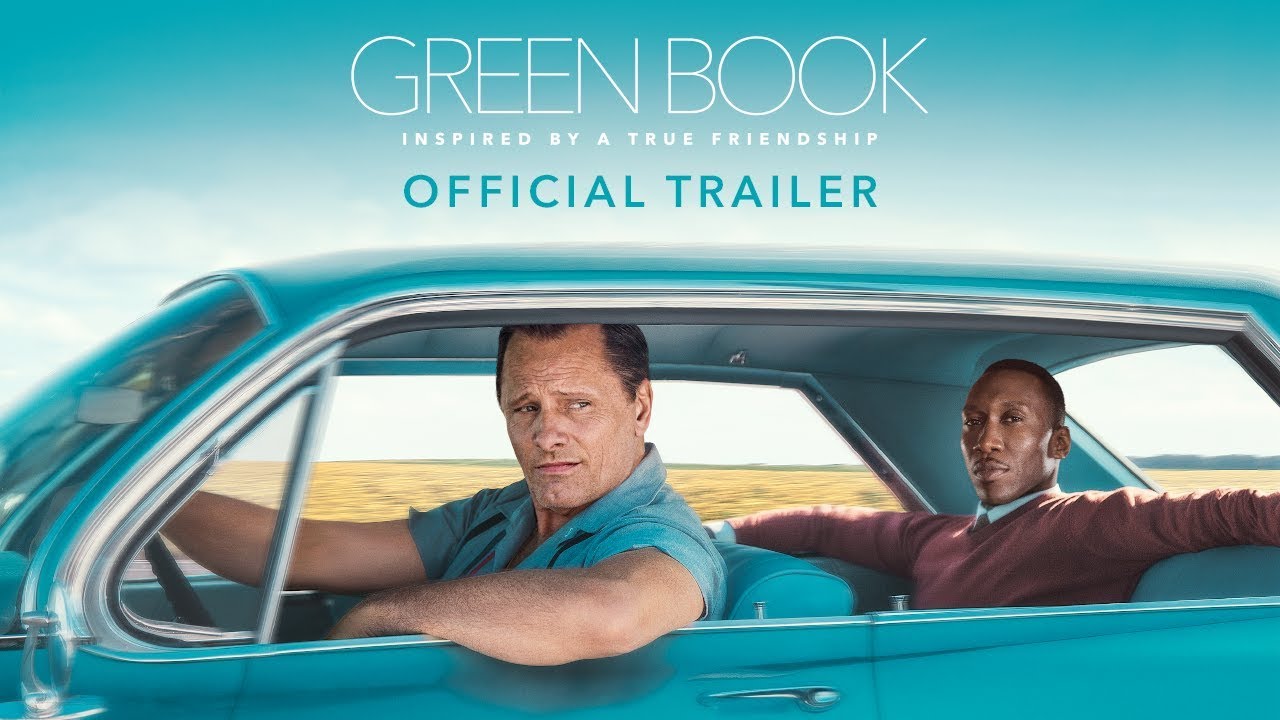
Films about race often deliver heavy-handed lessons, but “Green Book” sidesteps the soapbox and invites us on a journey packed with sharp humor, awkward revelations, and profound transformation. Director Peter Farrelly’s Academy Award winner draws audiences into 1960s America, a world defined by invisible boundaries and the courage required to cross them. The film bursts with both heart and grit, thanks to magnetic performances by Viggo Mortensen and Mahershala Ali, whose odd-couple chemistry lifts the true story from familiar territory into unforgettable cinematic territory.
The magic of “Green Book” lies in its ability to unmask prejudice through laughter, not lectures. Tony “Lip” Vallelonga, a bouncer with a big mouth and a bigger appetite, lands a job as driver and bodyguard for Dr. Don Shirley, a virtuoso pianist embarking on a concert tour through the segregated Deep South. The pair couldn’t be more different: Tony is brash, streetwise, and proudly working-class, while Shirley is refined, reserved, and accustomed to the highest circles of society. Every mile exposes their differences—and the similarities neither expects.
Each pit stop along their journey explodes with tension and insight, as Tony and Don encounter kindness and cruelty in equal measure. The famous “Green Book,” a travel guide for Black motorists, provides a sobering reminder of the era’s dangers. Yet, it is the friendship that blossoms between two men from opposite worlds that transforms the story. “Green Book” doesn’t gloss over racism, but it doesn’t let cynicism win, either. Through food, music, and shared hardship, barriers crumble and understanding grows.
The movie’s emotional power is matched by its biting wit. Audiences will find themselves laughing at Tony’s antics one moment, then struck silent by scenes of injustice or vulnerability. It’s a balancing act that keeps viewers hooked, never knowing whether the next twist will provoke outrage, empathy, or pure joy. The real genius comes in the small moments—a look, a line, a gesture—that reveal how change truly happens.
“Green Book” delivers more than nostalgia or feel-good platitudes. It throws down a gauntlet for today’s viewers, asking hard questions about identity, dignity, and what it takes to see the humanity in someone you’ve been taught to distrust. The story lingers long after the credits roll, inspiring laughter, tears, and maybe even a bit of hope.
Quick Notes
- Inspired by the real-life friendship between Tony Vallelonga and Dr. Don Shirley during a 1962 concert tour.
- The “Green Book” was an essential travel guide for African-Americans navigating racist laws and customs in the Jim Crow South.
- Viggo Mortensen and Mahershala Ali deliver award-winning performances that drive the film’s emotional engine.
- The movie balances humor, tension, and social commentary, making tough topics accessible and deeply resonant.
- Real-life stories of cross-cultural friendship and social change—from Mandela and de Klerk to Ruth Bader Ginsburg and Antonin Scalia—echo the movie’s message of unexpected bonds.
The Road South: A Journey of Peril and Possibility
Tony Vallelonga is a man of contradictions: a loving father, a sometime racist, and an expert at getting by in New York’s gritty clubs. When his gig at the Copacabana dries up, he’s desperate for work. An unlikely opportunity arises: chauffeur and protect Dr. Don Shirley, a world-class pianist, on an eight-week tour below the Mason-Dixon line. The pay is good, but the risks are high. The journey begins with skepticism on both sides.
Shirley’s world is polished, elegant, and marked by isolation. His music opens doors in white society, but his skin ensures he can never fully enter. Tony, used to getting what he wants with his fists and his wit, chafes at Shirley’s rules and routines. The road trip, charted by the pages of the “Green Book,” quickly becomes a test of wills. Each encounter with prejudice, hostility, or absurdity—refused service, dangerous police, segregated hotels—forces both men to confront uncomfortable truths.
Tension turns to camaraderie as Tony’s loyalty, once transactional, becomes personal. He learns to respect Shirley’s courage and artistry, while Shirley, initially aloof, begins to admire Tony’s loyalty and resourcefulness. Small acts—a meal shared at a roadside stand, a hand extended in a moment of fear—chip away at mutual suspicion. The trip’s hardships forge a bond stronger than either expects, with both men risking personal safety and pride for the other.
Crucial scenes—such as Shirley’s refusal to play in a whites-only country club unless he can dine with the guests—underscore the absurdity and cruelty of segregation. The film refuses to let its characters, or its viewers, off easy. When Tony is arrested for breaking curfew, it is Shirley’s calm defiance and dignity that secures their release, upending the usual dynamic of protector and protected. Each man is changed by the other’s courage.
Their return to New York is more than a homecoming. For Tony, it means confronting the limitations of his own worldview. For Shirley, it’s a bittersweet realization that, while his music can move hearts, real belonging is still elusive. Yet, the Christmas dinner where Shirley finds a seat at Tony’s family table becomes a quiet triumph—a testament to what is possible when people dare to meet across lines drawn by hate.
Lessons for a Divided World: Friendship, Dignity, and Radical Empathy
The story of “Green Book” distills the power of proximity. When individuals break bread together, stereotypes crack and new possibilities emerge. Tony and Shirley’s friendship is built not on shared background, but on shared experiences—moments of hardship, laughter, and vulnerability. Research on social contact theory, from Gordon Allport to recent Harvard studies, confirms that real relationships across lines of difference can be transformative.
True allyship means more than good intentions. Tony’s journey from prejudice to protection isn’t linear or uncomplicated. His biases persist, even as he grows to love Shirley as a friend. The movie never lets viewers believe that a single road trip can erase centuries of injustice. Instead, it models the ongoing work of learning, apologizing, and risking discomfort for another’s dignity. This echoes modern diversity training and inclusion efforts in workplaces, where change is incremental but real.
Art as resistance pulses throughout the film. Shirley’s music isn’t just entertainment—it’s a political act, a demand to be seen and heard in spaces designed to exclude. This resonates with the history of jazz, blues, and hip-hop, where marginalized artists have used their gifts to challenge oppression and spark cultural change. Billie Holiday’s “Strange Fruit” or Nina Simone’s “Mississippi Goddam” serve as real-world counterparts to Shirley’s concert halls.
Economic and social privilege shape both men’s lives in surprising ways. Tony, for all his street smarts, has the freedom to walk away from conflict; Shirley, despite his fame, faces barriers at every turn. The film subtly critiques the American Dream, asking who gets to pursue happiness without fear. Modern debates over wealth, opportunity, and social mobility echo these questions, from debates on redlining to college admissions.
Ultimately, the greatest lesson is about courage—not the Hollywood kind, but the daily bravery required to choose kindness, confront ignorance, and build trust. Stories from real-life figures like Bryan Stevenson (founder of the Equal Justice Initiative) or Nelson Mandela, who befriended his jailers, show that real progress begins with ordinary people choosing to act against the grain of their upbringing or culture.
Green Book’s Ripple Effect: Real-World Reflections and Challenges
The legacy of “Green Book” reaches well beyond its Oscar wins. Its narrative structure and emotional beats have inspired conversations in schools, workplaces, and even houses of worship. The movie’s depiction of allyship, resilience, and mutual respect has found a home in diversity seminars and cross-cultural training sessions. Companies like Starbucks and Google have used similar storytelling approaches in their training videos, emphasizing shared humanity as a bulwark against bias.
Scholars and activists have debated the film’s perspective, with some arguing it centers white experience too heavily, while others praise its accessibility. Regardless, its popularity proves that stories of friendship and transformation still resonate. In an age of division, tales that model honest reckoning and gradual change remain essential tools for bridge-building. The “Green Book” itself, now digitized and preserved by the Smithsonian, stands as a reminder of how recent this history remains.
Community organizations have taken up the film’s themes, launching “living room dialogues” and cross-racial mentoring initiatives. Real-life friendships across lines of difference—such as those fostered by Big Brothers Big Sisters or church partnership programs—mirror the movie’s core message. The science of empathy, as chronicled by researchers like Dr. Helen Riess, continues to prove that perspective-taking can reshape attitudes and policies alike.
The film’s cultural touchstones—the road trip, the awkward family dinner, the shared holiday—invite viewers to imagine themselves in the story. The movie is both a mirror and a map: reflecting our present and hinting at possible futures. By grounding its biggest moments in small acts of generosity, “Green Book” challenges each of us to rethink who we welcome to our tables, both literal and figurative.
Music, food, and laughter become healing agents. Dr. Shirley’s concerts, Tony’s letters home, and the shared fried chicken scene showcase the universality of certain joys. Across the globe, festivals and rituals have always been vehicles for inclusion and reconciliation. The film captures this truth with warmth and wit, leaving viewers craving not just justice, but connection.
Rolling Home: Why Green Book’s Message Is More Urgent Than Ever
By the film’s conclusion, it’s clear that the real journey is inward. Tony returns to a changed home, a fuller understanding of his own blind spots, and a new friend who defies every expectation. Dr. Shirley, stepping into a noisy Bronx apartment for Christmas dinner, claims a small victory against loneliness and exclusion. The final scenes remind us that change is possible—but never easy or complete.
“Green Book” succeeds because it refuses to preach or pander. Instead, it offers a lived-in portrait of two men struggling to see—and be seen—beyond the labels assigned to them. Every argument, mishap, and shared joke advances their relationship, showing how transformation happens one awkward, courageous step at a time. The lesson isn’t that friendship solves racism, but that honest engagement creates cracks in even the thickest walls.
Viewers walk away with more than nostalgia. The film’s aftertaste is bittersweet: hope, sadness, laughter, and a gentle nudge to do better in our own lives. The ripple effects of such stories can’t be measured in box office receipts or trophy cases—they show up in changed hearts, open doors, and new conversations.
Audiences hungry for meaning will find themselves rewatching “Green Book” not for answers, but for its humanity. It’s the kind of movie that sneaks up on you, making you laugh at your own assumptions and care about strangers whose lives look nothing like yours. Every shared meal, piano note, and road sign becomes a metaphor for the journeys we all must take toward greater empathy.
Green Book doesn’t offer easy redemption. It offers a starting point: a reason to reach across the aisle, try the unfamiliar dish, or simply listen. In an age that prizes outrage and tribalism, the film dares viewers to remember that sometimes, the shortest distance between two people is a winding, complicated road.
Disclaimer
It’s also critical to remember that whether the movie is either a work of fiction or real life depiction it must be emphasized that the actions depicted within are not encouraged in reality and shouldn’t be imitated.
