Picture a high-octane pitch session. The lights are blinding, adrenaline surges, and every founder in the room claims they’ll “change the world.” Now imagine, behind the bravado, a chilling whisper: How far is too far? In today’s breakneck startup world, the border between bold disruption and ethical disaster has never felt thinner. What happens when chasing unicorn dreams tempts entrepreneurs to blur the line between hustle and harm?
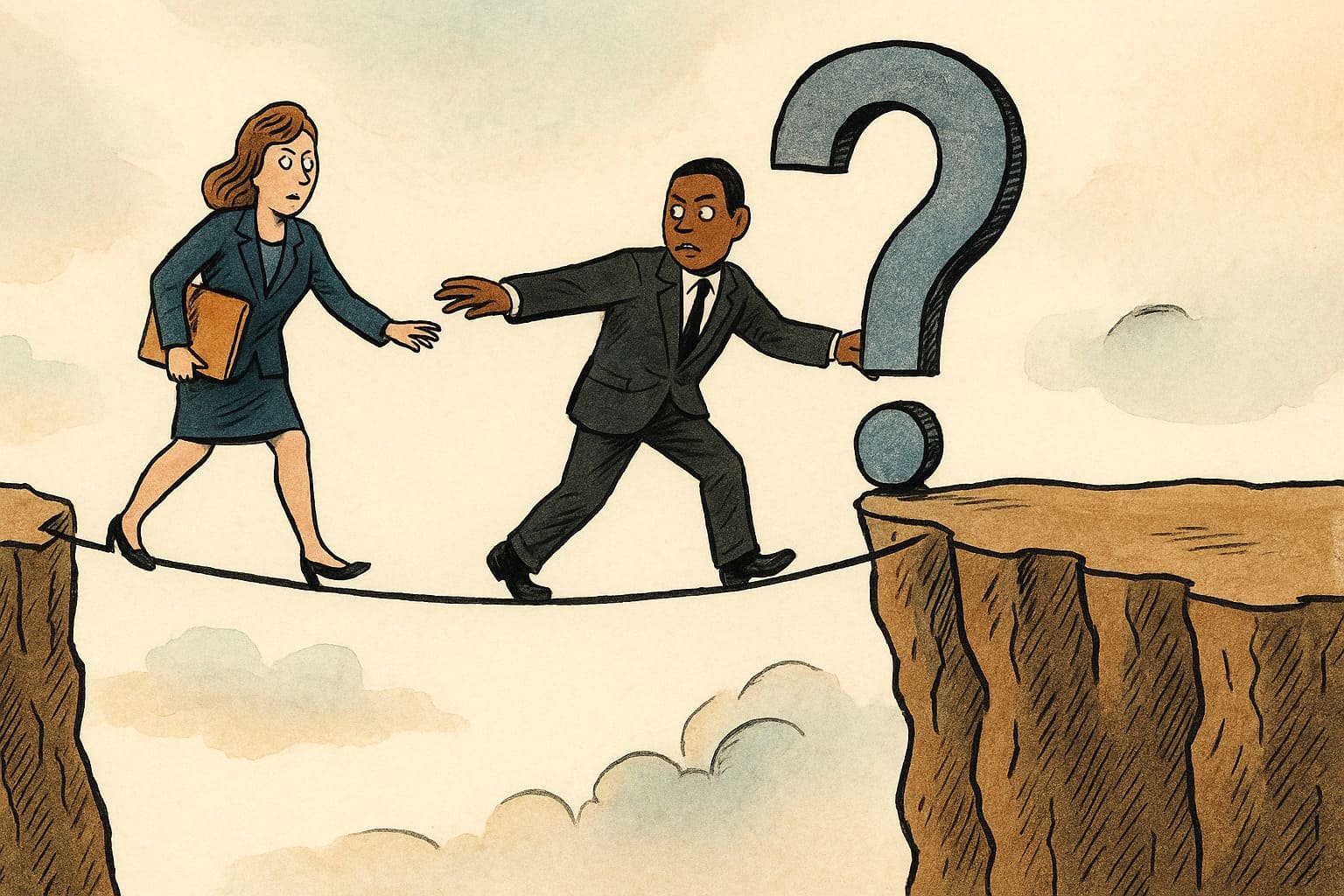
Welcome to the modern entrepreneur’s tightrope. Scandals; think Theranos, FTX, Uber; have become cautionary tales, haunting every ambitious founder. Yet the pressure to stand out, win funding, and hack growth never relents. Founders ask themselves: Should I bend rules for a breakthrough, or anchor my ship in honesty even if I fall behind? Is every shortcut a sin, or are some lines meant to be crossed for the greater good? This isn’t a classroom debate. It’s the real-world gauntlet every entrepreneur must walk.
This article dives headlong into the moral maze of entrepreneurship. How did we get here? Why do even well-meaning founders falter? What’s at stake for the ecosystem, and is there a better path forward? With gripping stories, critical insights, and provocative questions, we’ll explore the peril and promise of building empires on a shaky ethical ground. Ready to question everything you think you know about success?
Quick Notes
- Ambition Without Guardrails Breeds Scandal: Unchecked drive can tempt even principled founders to cut corners, leading to industry-shaking scandals and shattered reputations.
- Startup Culture Rewards Results, Not Integrity: An “ends justify the means” mentality is rampant, pressuring entrepreneurs to sidestep ethics in the race for rapid growth and investment.
- Ethical Gray Zones Are the New Battlefield: Modern business dilemmas; AI bias, data privacy, social impact; demand a new moral playbook, not just old rules.
- Whistleblowers and Watchdogs Are the True Disruptors: Voices calling out bad behavior from inside teams and out are changing the conversation, sometimes at great personal cost.
- Reputation Is the Real Unicorn; Integrity Pays Dividends: Brands that build on trust, accountability, and transparency are proving that ethical entrepreneurship can be both principled and wildly profitable.
Hacking the System or Breaking the Rules? Ambition’s Razor’s Edge
Entrepreneurs live to challenge limits. The very DNA of a startup founder is rebellion; a drive to do what others say can’t be done. But what happens when that spirit turns reckless? Travis Kalanick, Uber’s embattled founder, didn’t just revolutionize transportation; he infamously bulldozed regulations and rival taxis, earning both billions and a barrage of lawsuits.
Ambition, unchecked, becomes a double-edged sword. Elizabeth Holmes, with her signature turtleneck and magnetic charisma, convinced Silicon Valley royalty to believe in blood-testing tech that didn’t exist. The fallout left patients at risk and trust in biotech shattered. Their stories echo in boardrooms everywhere: Is greatness worth it if the path is littered with collateral damage?
The culture of entrepreneurship often valorizes the “move fast, break things” mantra. Sometimes, this fuels genuine progress; see Airbnb’s fight against housing laws or Tesla’s push for electric cars. Yet the dark side creeps in when innovation turns into rationalization. A founder at a fintech startup once admitted in an off-record interview: “If we don’t fudge the numbers, the investors walk. Everyone does it. I’m just playing the game.”
Risk-taking is the lifeblood of startups, but where is the line between calculated risk and calculated deceit? Sometimes, the very skills that drive success; charm, boldness, persistence; can mask the first step down a slippery slope. Would you know if you were crossing it?
At the heart of every scandal is not a villain, but a human; often exhausted, isolated, and convinced that “just this once” won’t matter. That’s the tragedy and the warning: every founder is one decision away from their own moral cliff.
“Fake It Till You Make It”: Startup Culture’s Dangerous Dance
Founders are coached to “sell the vision,” to paint a future so dazzling it blinds every doubter. Pitch decks inflate numbers, MVPs are vaporware, and every “coming soon” hides another year of development hell. It’s the Silicon Valley playbook, and sometimes it works; until it doesn’t.
Consider Adam Neumann and WeWork. His cult of personality drove a coworking startup to astronomical valuation, built on charisma and bravado. The party ended with mass layoffs and a humbling IPO withdrawal, leaving employees and investors reeling. The lesson? When hype becomes habit, reality becomes an afterthought.
Startup accelerators, VC panels, and hackathons celebrate “disruption” but rarely pause to ask: At what cost? Founders internalize a zero-sum logic: If I don’t exaggerate, someone else will. If I don’t push, I’ll be pushed aside. The pressure to show hockey-stick growth breeds an environment where “truth” is often negotiable.
One anonymous founder recounted his story after being exposed by a whistleblower: “It started with a small stretch in our user metrics. Nobody noticed. Then it was the revenue. The line kept moving until I barely recognized the business I’d built.” His confession is a wake-up call. Culture sets the tone, and when results matter more than integrity, bad actors thrive.
Ethical frameworks like Maslow’s hierarchy remind us that belonging and esteem sit below self-actualization. But what if the startup world teaches that only the top matters? Is there space in this ecosystem for honesty, or does the market punish the ethical while rewarding the edgy?
The New Moral Gray Zones: Navigating an Ethical Minefield
The twenty-first century entrepreneur faces dilemmas no founder in history ever imagined. It’s not just about lying on a balance sheet. It’s about what you code, who you serve, and who pays the price for your disruption. Artificial intelligence is now capable of breathtaking feats and horrifying biases. Social media apps spread connection and conspiracy with equal ease.
Take the example of Timnit Gebru, an AI researcher ousted after raising ethical concerns at a tech giant. Her case lit a firestorm about diversity, responsibility, and the hidden costs of innovation. Entrepreneurs can no longer plead ignorance; every algorithm, platform, and product choice shapes society for better or worse.
The rise of “surveillance capitalism” means startups sit on mountains of user data. Decisions about privacy, consent, and transparency define not just legal compliance, but moral leadership. One fintech CEO, haunted by the Cambridge Analytica scandal, implemented a radical “data minimalism” policy; choosing to collect less, not more, in a bid to rebuild trust.
Today’s founder must be part philosopher, part engineer. Do you optimize for shareholder value, or the long-term wellbeing of customers and communities? Is “disruption” always good, or just profitable? Daniel Pink’s “Drive” highlights the power of purpose; modern entrepreneurs are waking up to the reality that purpose without principles is a hollow victory.
Case studies abound: A healthtech startup pivots after discovering a blind spot in its app that excluded disabled users. A ride-sharing company admits to manipulating surge pricing, then overhauls its algorithm to put riders first. The best founders don’t run from hard questions; they lean in, knowing the right answer isn’t always the easy one.
Whistleblowers, Watchdogs, and the Courage to Call Foul
Every revolution needs its rebels. In the modern startup landscape, the bravest are often not the disruptors, but the dissenters; the insiders who blow the whistle when lines are crossed. Susan Fowler’s viral blog post exposed Uber’s toxic culture, sparking a #MeToo reckoning in tech. Tyler Shultz risked family ties and fortune to reveal the truth behind Theranos.
These stories matter because they remind us: One voice can topple an empire, or save it from itself. Whistleblowers pay a heavy price; blacklisting, lawsuits, sometimes public vilification. Yet they also spark the conversations that force real change.
It’s not just insiders making noise. Investigative journalists, watchdog groups, and activist investors are shining a spotlight on corners where shadows once thrived. The rise of platforms like Glassdoor and Blind mean even the most secretive companies are only ever a screenshot away from exposure.
Smart founders are learning to listen, not lash out. Buffer, a social media startup, made headlines by embracing radical transparency; publishing salaries, revenue, and even board meeting notes. The result? Fierce loyalty from employees and users alike, and a reputation for integrity that money can’t buy.
Culture is a two-way street. Teams empowered to speak up become companies that last. Watchdogs aren’t enemies; they’re the conscience every startup needs. Will you silence the dissenters; or join them in making things better?
The New Gold Standard: Why Ethical Entrepreneurship Wins
It turns out the most valuable asset a founder can build isn’t intellectual property or a war chest of VC cash. It’s trust. Today’s buyers, employees, and partners crave transparency, accountability, and brands that walk their talk. In a world saturated with hype, the only way to stand out is by standing for something real.
Patagonia, under Yvon Chouinard, refused to cut ethical corners for profit, instead championing environmental stewardship; even at the expense of short-term gain. The result? Devoted customers, global influence, and a brand that leads by example. Warby Parker disrupted eyewear with a one-for-one model, proving purpose and profit aren’t mutually exclusive.
Social impact startups are rising on every continent, driven by millennial and Gen Z founders who demand more than market share; they want to solve real problems. From fintech for the unbanked to climate tech tackling carbon emissions, the next wave of unicorns will wear their values on their sleeves.
Brands that choose integrity become magnets for top talent, loyal customers, and investors with vision. When reputation becomes the real unicorn, founders realize that cutting corners might win the battle, but always loses the war.
As the dust settles on each new scandal, the lesson is clear: The future belongs to those who build with honor. In an age where everyone’s watching, the best entrepreneurs ask not “Can I get away with it?” but “Would I want my story told in the light of day?”
Where Do We Draw the Line? The Entrepreneur’s Greatest Test
Every empire starts with a promise: We will do things differently. But history is littered with the ruins of startups that lost their soul chasing the next big thing. The real test for the next generation of entrepreneurs is not how fast they move, but how well they sleep at night.
Will you join the chorus of founders making excuses, or will you lead with conscience and conviction? Will you chase the shortcut, or will you brave the long, winding road of building something that lasts? It’s tempting to think ethics are optional; a PR stunt or an afterthought. But look closer, and you’ll see: They are the foundation, the only safeguard against the moment when “disruption” becomes destruction.
The next time you find yourself at a crossroads; faced with the easy win or the honest one; ask yourself: Who will you be when the spotlight fades and only the story remains? Are you building a business that will haunt you, or one that will make you proud for decades to come?
