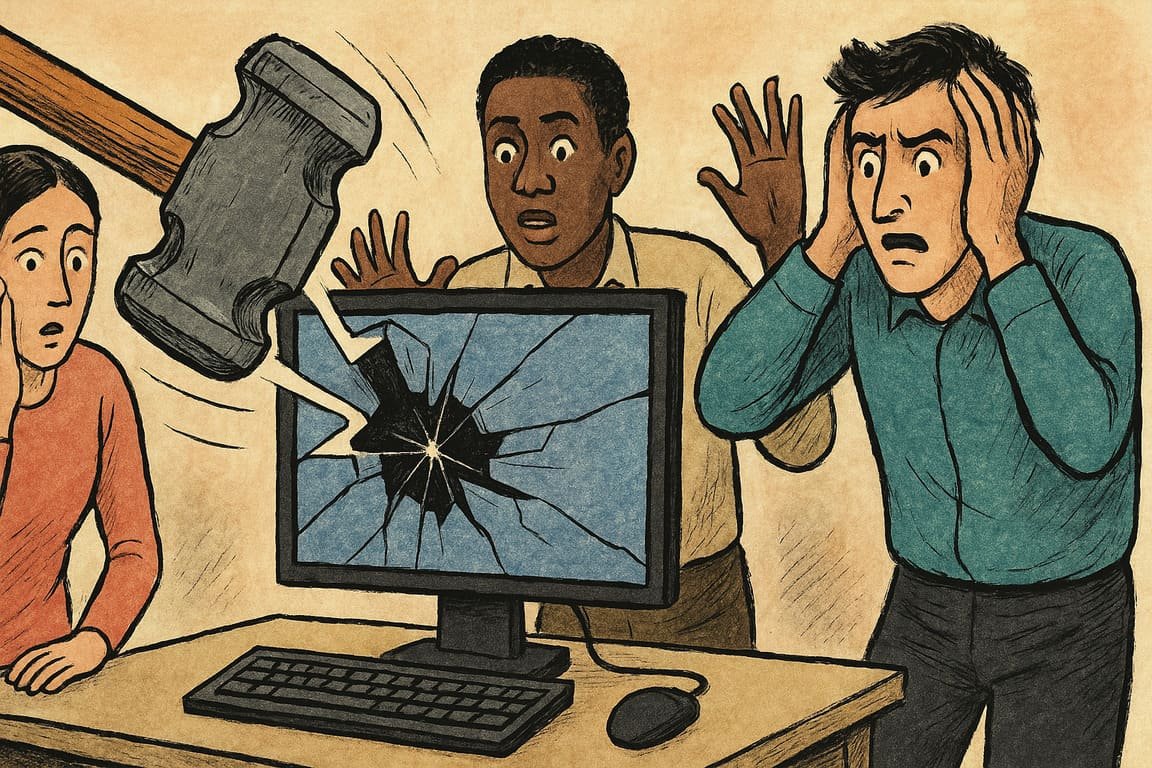
At midnight, an office glows with the faint pulse of a laptop’s backlight. Coffee grows cold as Sarah, the founder of a boutique fashion line, frowns at her screen, wrestling with a stubborn website template. The world outside sleeps, unaware of the quiet struggle unfolding in millions of bedrooms, backrooms, and co-working spaces. Here, under the hum of ambition and anxiety, another dream business risks its future on a string of YouTube tutorials and drag-and-drop promises.
Every year, bold creators and determined entrepreneurs choose the “Do-It-Yourself” route, seduced by visions of fast launches and total control. Web builder ads echo with reassuring slogans, hinting that anyone can become a digital architect overnight. Yet behind every polished stock photo and “success story” lies an untold number of broken sign-up forms, missing product images, and lost sales.
DIY websites start as cost-saving miracles and often end as silent killers. The mistakes rarely make headlines. Visitors bounce, security loopholes go unnoticed, and Google buries the site beneath a mountain of better-built rivals. In the pale morning light, owners wake to analytics dashboards flatlining, asking, “Where did everyone go?”
Somewhere, a competitor’s professionally built site loads in under a second, gleaming with speed, trust, and clarity. Sarah’s dream lingers, caught between possibility and quiet collapse, while digital footprints vanish as quickly as they appeared. The cost of getting it wrong is rarely loud—but it is always final.
Quick Notes
- DIY May Look Cheap—But Costs Can Explode: Hidden expenses, lost time, and opportunity costs quickly eclipse any up-front savings.
- Speed and Performance Are Everything: Users leave slow or broken sites instantly. Google notices, and your brand pays the price.
- Security Isn’t Optional: One unpatched plugin or missed update can open the door to hackers and ruin hard-won trust.
- Brand Trust Requires Professional Polish: Amateur design signals “risky” to every visitor, quietly crushing conversions before you ever see them.
- DIY Means Doing It Alone: When disaster strikes, you are on your own—there’s no safety net, and competitors will never pause for you to catch up.
Penny-Wise, Pound-Foolish—The True Cost of DIY Temptation
Every entrepreneur has felt the magnetic pull of saving money. DIY website builders flaunt their simplicity, promising a launch by lunchtime with just a credit card and a little courage. Founders, side-hustlers, and small business owners latch onto the dream, believing passion will conquer complexity.
Beneath this optimism lies a trap. The upfront price tag whispers comfort, but true costs lurk in the shadows—endless hours debugging layouts, confusion over DNS settings, and the agony of learning that a payment gateway needs more than a copy-pasted API key. For every dollar saved, hidden costs multiply: lost weekends, missed leads, and marketing budgets wasted on sites no one trusts.
A real-world fable: Jamil, owner of a popular Nairobi street-food pop-up, tried to expand online with a DIY store. The site looked fine on his phone, but desktop visitors saw pixelated menus and broken buttons. Despite daily effort, his sales plateaued. Eventually, he hired a local developer, who rebuilt the site in a week. Orders doubled, and customer feedback transformed from complaints to praise.
DIY may promise empowerment, but it often traps founders in endless troubleshooting. The pursuit of savings blinds us to the reality that expertise is not just a cost—it is an investment that returns in growth, speed, and sleep.
The Speed Trap—Performance Nightmares Hide in Plain Sight
Modern life moves at Wi-Fi speed. If a site stalls or stutters, visitors vanish without a second thought. Search engines punish slow websites, pushing them down to the digital basement where only bots and regret dwell. The need for speed is relentless, and DIY sites often fail this race before the first lap.
Unoptimized images, overloaded plugins, and clunky themes pile on seconds that feel like hours to impatient visitors. Site owners chase these gremlins with quick fixes, only to find performance gets worse. Each improvement introduces new problems, turning a simple website into a Jenga tower wobbling on borrowed time.
Case in point: Ruth, founder of BookDen, built her own author portfolio using a free builder. Friends loved the design, but fans kept complaining about the “eternal loading wheel.” Analytics revealed most visitors never saw her latest work. A professional audit found bloated scripts and oversized images choking the site’s speed. After rebuilding on a faster platform, her traffic spiked and new opportunities emerged overnight.
Speed is not a luxury; it is a competitive advantage. DIY websites, built with good intentions and shaky tools, quietly strangle dreams with every wasted second.
The Silent Sabotage of Poor Security
Security is invisible—until it isn’t. Small businesses believe hackers target only the big fish, yet automated attacks prowl the web night and day, looking for unlocked doors. DIY site builders rarely teach best practices, leaving critical gaps in firewalls, passwords, and updates. A moment’s oversight can lead to disaster.
When breach comes, it is rarely dramatic. A fake login page collects credentials in the background. Malware injects code into abandoned plugins. Visitors find their data at risk and leave, never to return. The pain is slow, subtle, and devastating—lost trust, blacklisted domains, and the endless grind of restoring what was taken.
A memorable story: Hakeem’s travel blog grew from hobby to side-income, until a forgotten theme update exposed his admin panel. An attacker replaced his homepage with spam. Recovery took weeks, sponsors fled, and Hakeem’s reputation suffered. He learned, too late, that security needs vigilance and expertise.
Professional sites bake security into every line of code, running updates and audits with religious zeal. DIY shortcuts leave sites exposed, turning ambition into a cautionary tale.
The Conversion Killer—When Amateur Design Costs Real Money
A visitor lands on a site and decides within seconds whether to trust or leave. DIY websites, assembled from free templates and guesswork, rarely convey authority. Colors clash, buttons float where they shouldn’t, and navigation confuses more than it guides. Every design misstep whispers “unprofessional” to every would-be customer.
Brand trust is won or lost at first glance. A polished, custom site signals stability and care, inviting visitors to explore, click, and buy. An amateur effort tells a different story: “I’m new, I’m risky, I might not be here tomorrow.” Bounce rates climb, sales sink, and marketing efforts fizzle before they ever begin.
Consider the journey of Tina, a wellness coach whose site went live after weeks of DIY sweat. Despite social buzz, few clients booked. Feedback revealed the homepage felt cluttered and dated, with confusing menus that sent visitors in circles. Tina invested in a designer, and the shift was immediate—bookings tripled, and her credibility soared.
Design is not just about beauty. It is about trust, clarity, and conversion. DIY mistakes, invisible to their creators, speak volumes to the audience.
Alone in the Dark—No Support When It Matters Most
Every site faces storms. Updates break features, servers go down, or a sudden spike in traffic crashes the store during a big promotion. In these moments, DIY builders discover the hardest truth: help is not coming. Support forums are slow, chatbot advice is generic, and panic becomes the only companion.
When disaster strikes, the lone builder is forced to become an expert overnight—sysadmin, coder, marketer, and crisis manager all at once. This strain leads to burnout, frustration, and sometimes abandonment. Meanwhile, professional teams fix problems in minutes, restoring normalcy while the business owner keeps moving forward.
A telling story comes from Malik, owner of a growing sneaker shop. During a Black Friday sale, his checkout crashed. With no support team, he lost a full day’s revenue and watched angry tweets pile up. Only later did he realize that even the best intentions can’t replace expert help.
Building alone might feel heroic at first. In the end, it usually feels isolating. The digital landscape rewards those who know when to ask for help and invest in the right support.
Last Light on the Dashboard: Redemption or Ruin?
In a silent office, the screen glows with the final error message of the night. Coffee sits untouched, cold and bitter, echoing the loneliness of another DIY builder at the end of their rope. All the passion, late hours, and determination flicker quietly across unfinished forms and forgotten checkout pages. Outside, the city moves forward, oblivious to the dreams slowly suffocating in silence.
A lesson unfolds, not with fanfare, but in the gentle hush that follows a hard truth learned. The digital world is ruthless to those who travel alone, rewarding speed, polish, and trust over stubborn pride. Professionalism, collaboration, and humility become the secret weapons of the businesses that survive and thrive.
Now the world waits, breath held, for a choice. Will another dream slip into digital oblivion, or will you find the courage to build with wisdom, seek support, and craft a website worthy of your ambition? The screen reflects your answer: this is the moment that decides everything.
