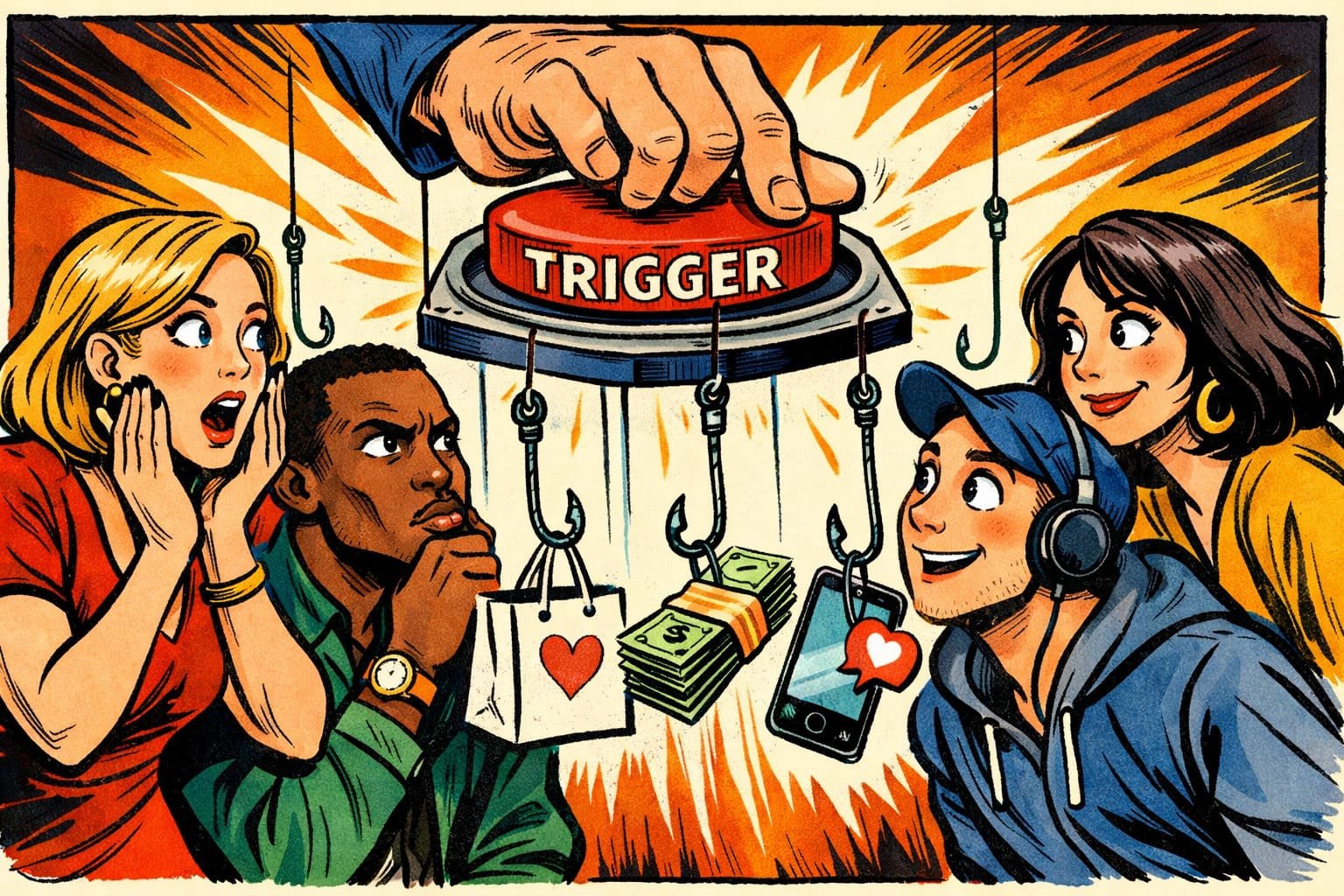
Emergency room monitors blink with relentless precision while anxious relatives ignore polished brochures stacked neatly beside reception desks. Nobody reaches for specifications when emotions arrive first. Relief becomes the only language that matters. Markets behave with surprising similarity. Consumers rarely make decisions because information finally becomes complete. They move because a feeling quietly settles into certainty, transforming hesitation into action before logic finishes explaining why the choice suddenly feels right.
Marketing conversations often reduce emotion to manipulation, yet behavioral science paints a far more interesting picture. Nobel laureate Daniel Kahneman showed that intuitive thinking frequently precedes deliberate analysis, especially when uncertainty surrounds a decision. Strong brands respect that reality instead of exploiting it. They remove anxiety, reinforce confidence, create belonging, or awaken aspiration. Nike rarely sells footwear alone. Every campaign whispers a larger story about identity, resilience, and personal possibility before mentioning technical performance.
Airbnb mastered another emotional trigger by replacing accommodation listings with stories about belonging, discovery, and local experiences. Travelers imagined themselves inside unfamiliar neighborhoods long before comparing prices. A similar transformation happened inside Leila’s financial advisory practice after years of publishing dense retirement guides. Her team began sharing stories of families navigating difficult life transitions with clarity and confidence instead of leading with investment products. Consultations increased because readers recognized emotions they had quietly carried for years.
An elderly tailor once placed a finished jacket over a nervous graduate preparing for a first interview. No mirror appeared immediately. Instead, the tailor simply smiled and asked, “How does tomorrow feel now?” That single question carried more persuasive power than any sales pitch. Pixar understands this instinct instinctively. Audiences remember courage, loss, friendship, and hope long after forgetting individual scenes, proving emotion preserves memory more faithfully than spectacle ever could.
Successful organizations build systems that consistently trigger meaningful emotions without becoming theatrical. Calm reassurance guides healthcare communication. Ambition shapes executive education. Curiosity fuels technology publishing. Trust anchors financial services. A cybersecurity company discovered this balance after replacing fear-driven messaging with practical confidence, showing clients how preparedness restored control rather than amplifying panic. Prospects responded with deeper engagement because empowerment proved more persuasive than intimidation, creating relationships grounded in confidence instead of anxiety.
Snow settles quietly across an abandoned railway platform where only one lantern continues glowing against the gathering darkness. Travelers remember that light long after forgetting every timetable posted nearby. Brands earn similar permanence. Facts open conversations, but emotions keep them alive across months and years. Every article, video, presentation, and campaign leaves an invisible emotional fingerprint that shapes future decisions in ways spreadsheets rarely capture. Ask yourself which feeling your audience carries home after every encounter, because that feeling becomes your strongest salesperson.
