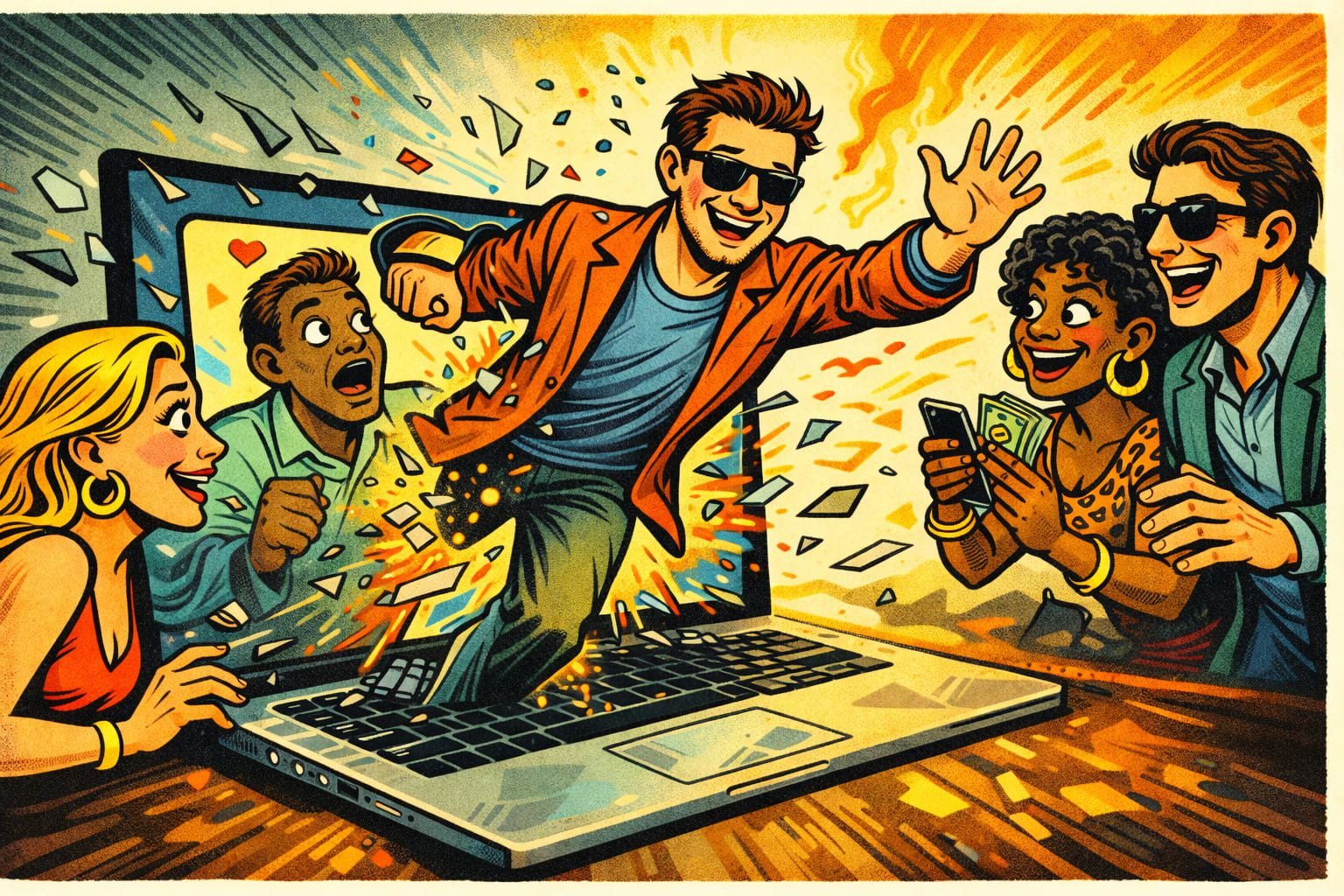
A blinking red light appeared above a tiny camera while thousands of faces waited behind invisible screens, coffee cups in hand, questions already forming before a single word escaped the host’s mouth. Geography quietly surrendered. Boardrooms, classrooms, workshops, and storefronts suddenly shared one living space where hesitation dissolved into conversation. That transformation explains why live experiences have become one of modern marketing’s strongest advantages. Presence now travels faster than distance, allowing trust to form in moments that polished content rarely reproduces.
Recorded content remains valuable because people consume knowledge on their own schedule. Live interaction, though, creates a different psychological contract. Every unscripted pause, unexpected question, and spontaneous laugh reminds audiences that another human is thinking alongside them instead of broadcasting at them. Salesforce has repeatedly used live events and online communities to strengthen customer relationships beyond software demonstrations. Startup founder Camille noticed attendance climbing after replacing rehearsed webinars with open office hours where every difficult question received an honest answer, even when certainty was impossible.
Human beings instinctively value experiences they cannot replay exactly. Sports fans understand this feeling before the opening whistle because anything might happen. Twitch transformed entertainment by turning participation into part of the product rather than treating audiences as passive spectators. Product designer Haruto borrowed that principle while unveiling a new creative tool through a live workshop instead of a polished launch video. Viewers suggested features during the demonstration, and several ideas appeared in later updates. Customers celebrated because they had shaped the outcome instead of merely witnessing it.
An old town square offers an unexpected comparison. Market stalls attracted buyers, yet people often stayed longer because musicians, storytellers, and neighbors created energy impossible to package inside a brochure. Live marketing follows the same rhythm. Questions generate stories, stories invite laughter, and laughter creates emotional memory. Oprah Winfrey built extraordinary influence through conversations that felt immediate, personal, and emotionally present, proving that authenticity often emerges strongest when scripts loosen their grip.
Organizations sometimes chase flawless production while overlooking emotional accessibility. Zoom became more than a meeting platform because millions discovered new ways to teach, celebrate, negotiate, and comfort one another through shared digital presence. Healthcare entrepreneur Malik introduced monthly live patient forums where doctors answered concerns without promotional slides or prepared speeches. Those conversations revealed empathy, admitted uncertainty, and strengthened confidence far more effectively than carefully edited educational videos ever managed.
Stage lights dimmed, yet conversations refused to end as screens filled with lingering messages exchanged long after the broadcast concluded. Genuine presence leaves echoes that polished perfection cannot imitate. Technology may continue shrinking physical distance, but trust still grows through moments that feel immediate, unscripted, and unmistakably human. Businesses that merely speak will always compete for attention. Those willing to show up, listen, and respond in real time will discover that distance has quietly stopped being their greatest obstacle.
