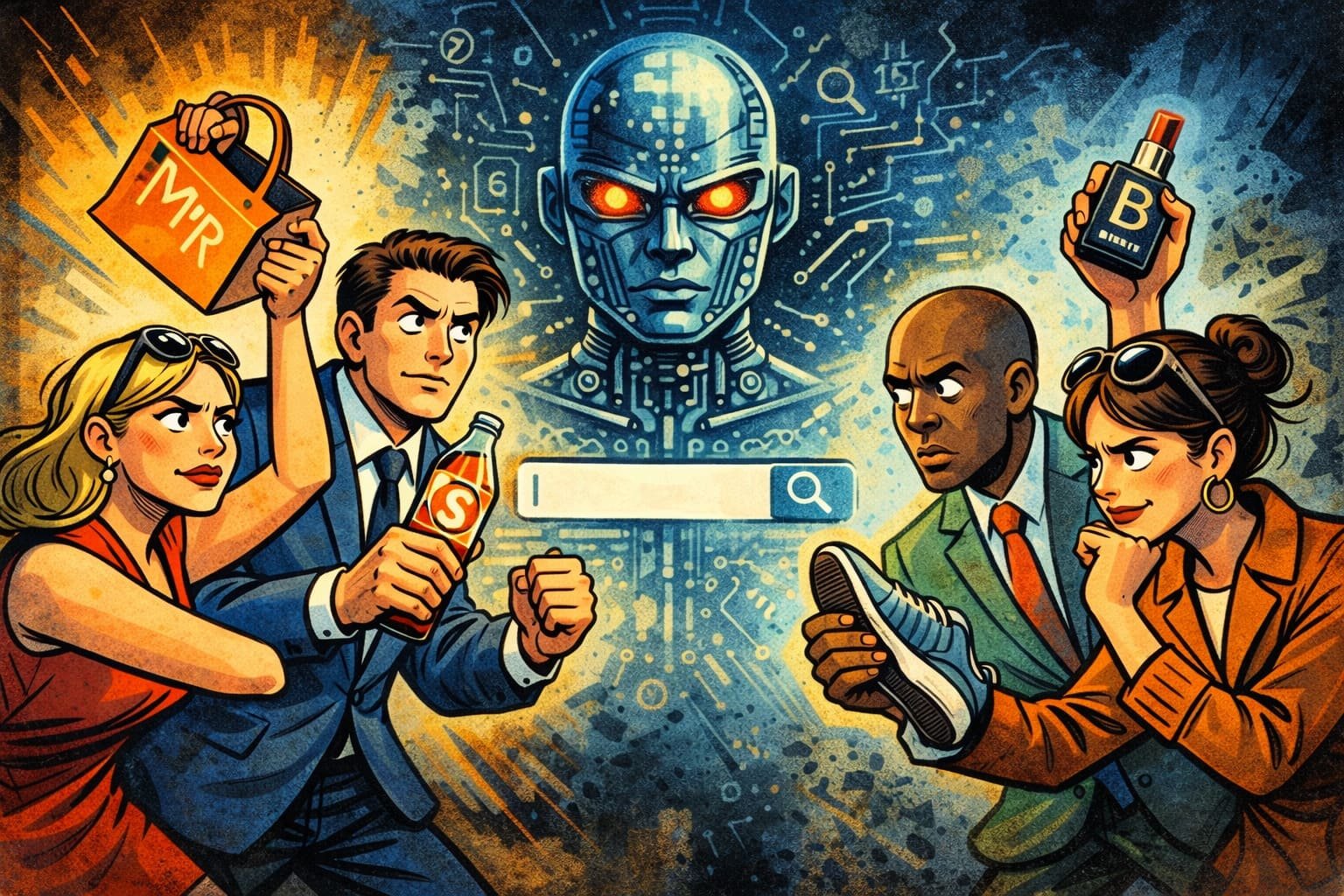
A subway platform glowed with restless screens while hundreds of thumbs chased answers that never looked like old search results anymore. Questions floated into conversational interfaces, brands vanished without warning, and familiar marketing playbooks suddenly felt like paper maps inside a self-driving city. That unsettling moment explains why digital competition has entered a different age. Search is no longer about occupying a blue link. It has become a contest over whose expertise deserves to become part of an answer, whose reputation survives algorithmic judgment, and whose knowledge travels farther than advertising budgets.
Many organizations still chase rankings while audiences quietly change habits. Consumers now expect direct explanations instead of endless pages demanding another click, forcing marketers to rethink visibility from first principles. A founder named Aria noticed this shift after her outdoor equipment company watched organic traffic flatten despite publishing more articles than ever. Customer interviews uncovered an awkward truth. Buyers were discovering recommendations inside AI assistants before ever reaching a search engine, making authority more valuable than sheer publishing volume.
That realization separates modern winners from yesterday’s champions. Companies such as HubSpot expanded their influence not merely by producing content but by building educational ecosystems filled with practical frameworks, original research, and trustworthy guidance that algorithms repeatedly recognize as credible. Shopify followed a similar path by helping entrepreneurs solve genuine business problems before promoting products. Maya, leading marketing for a small accounting software firm, copied that philosophy by interviewing clients every Friday. Those conversations reshaped articles into practical resources, and prospects began arriving already convinced because answers had traveled further than advertisements.
Curiously, an old neighborhood bookstore offers another lesson. Customers rarely asked for a specific title. Instead they trusted the owner, who remembered forgotten conversations and recommended books with remarkable precision. AI search increasingly behaves like that thoughtful bookseller rather than a mechanical index. Brands earning consistent trust across articles, podcasts, videos, reviews, and community discussions become familiar voices rather than anonymous websites. Credibility grows through repetition, usefulness, and coherence. Marketing begins resembling reputation management more than traffic acquisition.
Research teams inside companies often overlook their richest marketing asset. Product engineers, customer success specialists, consultants, and sales representatives witness patterns invisible inside keyword spreadsheets. Adobe transformed creative education by sharing expertise alongside software, strengthening community confidence instead of relying solely on promotional campaigns. Meanwhile, logistics startup founder Daniel invited warehouse supervisors into monthly content workshops. Their practical observations became articles filled with operational wisdom that competitors simply could not imitate because experience cannot be reverse engineered from search optimization checklists alone.
Curtains never truly fall inside this contest because curiosity keeps rewriting every rule. Brands prepared for tomorrow will invest less energy chasing algorithms and more energy becoming unforgettable sources of clarity whenever uncertainty appears. Search technology will continue evolving, yet human judgment remains surprisingly stubborn, rewarding voices that repeatedly reduce confusion instead of amplifying noise. Readers remember guides who remove friction from difficult decisions. Ask yourself whether your brand is competing for rankings, or quietly becoming the answer people trust before they even begin searching.
