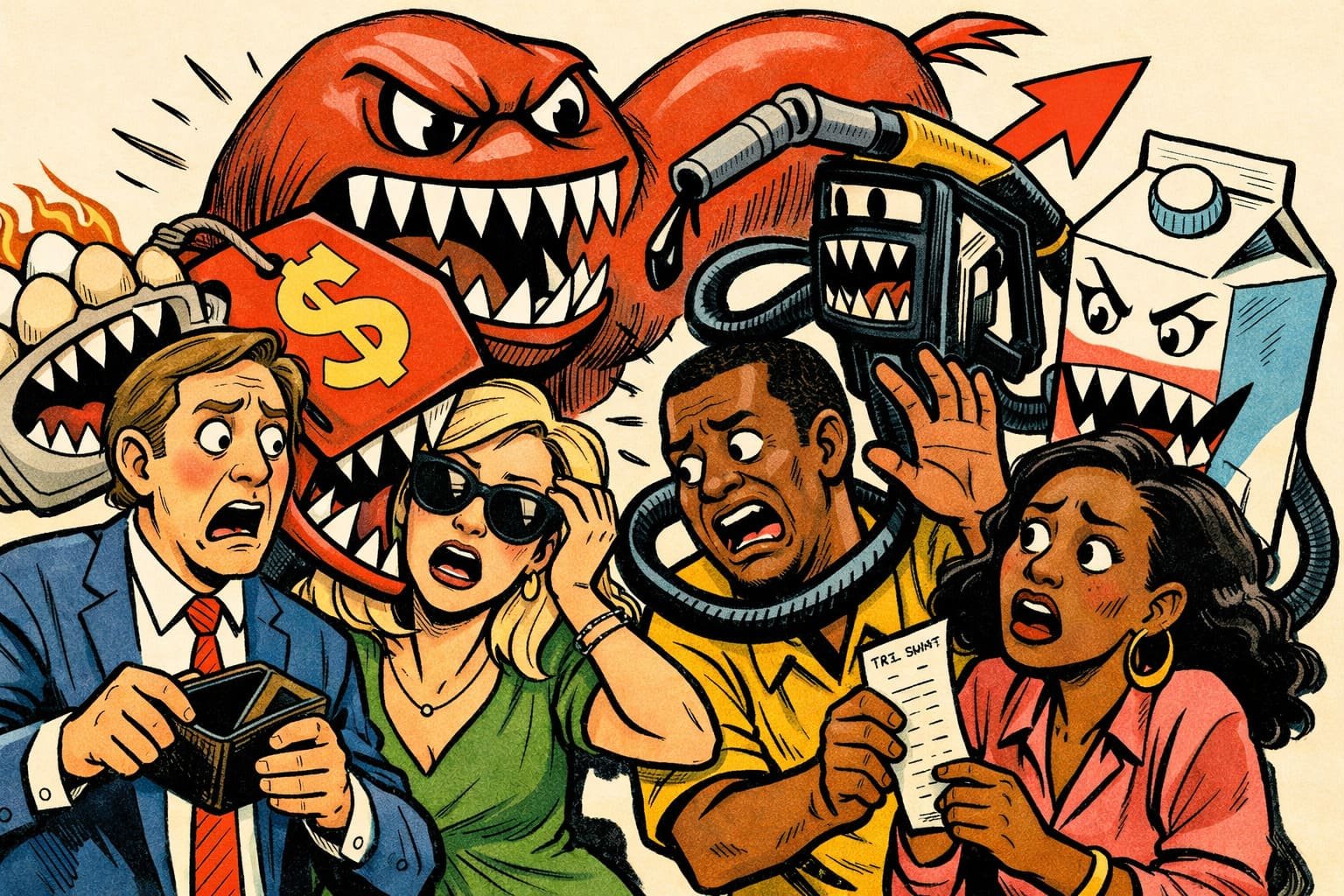
An empty shopping cart rattles across polished supermarket tiles before anyone notices the silence. Price tags have changed again, almost overnight, and familiar products suddenly feel like luxury purchases disguised in ordinary packaging. Inflation has a peculiar habit of arriving quietly before dominating every household conversation. Balance sheets, dinner tables, payroll meetings, and investment portfolios all begin orbiting the same uncomfortable question: how much less does every dollar really buy today?
Inflation rarely stems from a single culprit. Expanding demand, disrupted supply chains, expensive energy, labor shortages, rising wages, and shifting expectations can reinforce one another until higher prices become embedded throughout an economy. Once businesses expect future costs to rise, they often adjust prices before expenses even arrive. Consumers respond by buying sooner, fearing larger increases ahead. That cycle feeds itself. What began as a temporary shock gradually transforms into a stubborn financial reality that resists easy solutions.
Corporate finance reveals inflation’s hidden complexity. Revenue may climb impressively while real profitability quietly weakens because operating expenses rise even faster. Accountants face difficult judgments about inventory valuation, depreciation, and future cash flows as purchasing power steadily erodes. Investors searching only for expanding sales figures often overlook shrinking margins hiding beneath attractive headlines. Consumer goods companies such as Procter & Gamble and Nestlé have repeatedly demonstrated that careful pricing power, disciplined cost management, and trusted brands become decisive advantages when inflation squeezes both households and businesses.
Elena owned a neighborhood bakery where customers greeted staff by name every weekend. Butter, flour, packaging, and electricity became steadily more expensive, yet raising prices risked losing loyal families already struggling with tighter budgets. She reduced waste, simplified recipes, negotiated better supplier contracts, and introduced smaller premium products instead of dramatically increasing prices overnight. Customers stayed because they believed they were receiving honest value rather than paying for panic. Financial resilience often begins with trust before appearing inside accounting statements.
Central banks carry perhaps the most difficult responsibility during inflationary periods. Raising interest rates can slow borrowing, cool spending, and stabilize prices, but excessive tightening risks slowing investment, weakening employment, and reducing economic growth. Financial markets watch every policy announcement because expectations frequently move faster than actual decisions. Former Federal Reserve Chair Paul Volcker remains widely remembered because aggressive action eventually broke persistent inflation despite painful short-term consequences. His legacy reminds policymakers that delaying difficult choices often makes future adjustments even harsher.
Thunder rolls across crowded city rooftops while illuminated storefronts continue welcoming evening shoppers with familiar smiles. Receipts may become longer and wallets lighter, yet every purchase still reflects confidence, necessity, and hope woven together in ordinary moments. Inflation never changes only numbers printed on price labels. It reshapes behavior, business strategy, financial planning, and public confidence in ways that linger long after headlines fade. Every currency ultimately measures more than money. It quietly measures trust.
