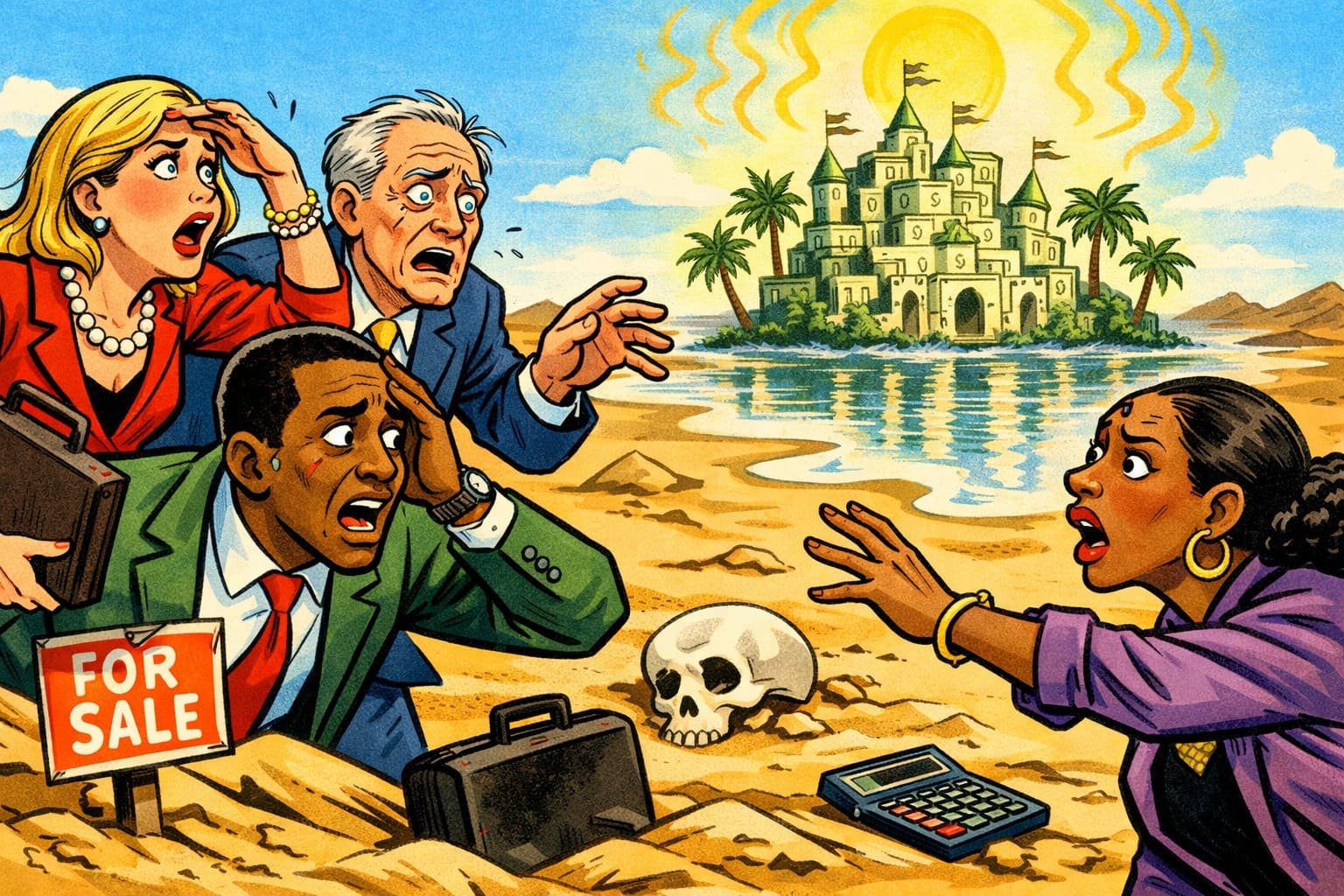
The office walls were covered with awards, newspaper clippings, and photographs celebrating decades of achievement. Every visitor admired the company’s remarkable journey. The founder believed the business had become priceless after years of sacrifice and relentless determination. Then an investor asked a simple question that changed everything. “What makes this company valuable without you?” The silence that followed revealed a reality hidden beneath years of success. The greatest illusion in business is believing effort alone determines value.
Many entrepreneurs confuse personal attachment with market worth. Long nights, financial risk, and emotional investment create stories that deserve admiration, yet buyers measure something different. They study future earnings, leadership continuity, operational efficiency, customer diversity, and resilience during uncertainty. Those factors shape valuation far more than memories or personal sacrifice. The market rewards businesses capable of thriving independently. Owners who fail to recognize this distinction often discover the truth only when negotiations begin.
The business value mirage becomes stronger as founders grow more successful. Confidence gradually transforms into certainty. Decisions become centralized. Customers expect direct access to the owner. Employees hesitate before acting without approval. These habits may create short-term efficiency, yet they quietly reduce enterprise value. A company dependent upon one individual appears fragile to investors. Strong organizations distribute knowledge, authority, and accountability across capable teams that continue performing regardless of leadership changes.
Carlos spent decades building a respected commercial printing business that dominated its regional market. Every major client trusted him personally, and every strategic decision required his approval. When acquisition discussions began, potential buyers admired the company’s reputation but questioned its long-term sustainability. Carlos responded by empowering senior managers, documenting operational systems, and introducing clients to the broader leadership team. Months later, buyer confidence changed dramatically because the business finally looked capable of succeeding without its founder at the center.
Corporate history reinforces the same principle. Disney has maintained long-term value by developing enduring brands, structured leadership, and systems capable of evolving beyond individual executives. Markets reward organizations built for continuity rather than personality. While visionary leaders remain important, sustainable enterprise value depends upon institutions capable of adapting through changing generations, technologies, and competitive landscapes.
Another overlooked source of hidden value lies inside organizational culture. Financial reports reveal profitability, yet they rarely capture employee commitment, customer trust, or operational discipline. Healthy cultures reduce turnover, encourage innovation, and strengthen resilience during difficult periods. Buyers increasingly recognize these qualities because rebuilding damaged cultures consumes years of effort. Companies with engaged people often outperform businesses possessing stronger short-term financial results but weaker internal foundations.
The wisest owners regularly examine their businesses through an outsider’s perspective. They ask uncomfortable questions before investors ever arrive. Could the company continue operating smoothly tomorrow without its founder? Are governance systems mature enough to inspire confidence? Does leadership extend beyond one personality? Those questions feel challenging because they expose weaknesses. They also create opportunities to strengthen value while there is still time to act thoughtfully rather than react under pressure.
The most valuable businesses rarely announce their strength with dramatic headlines or oversized ambition. Their real advantage lives inside disciplined systems, trusted people, loyal customers, and thoughtful leadership patiently developed over many years. Owners who recognize this truth escape the illusion that effort alone creates worth. Real value appears when a business becomes greater than the individual who built it. That moment transforms success into legacy, and legacy into enduring wealth.
