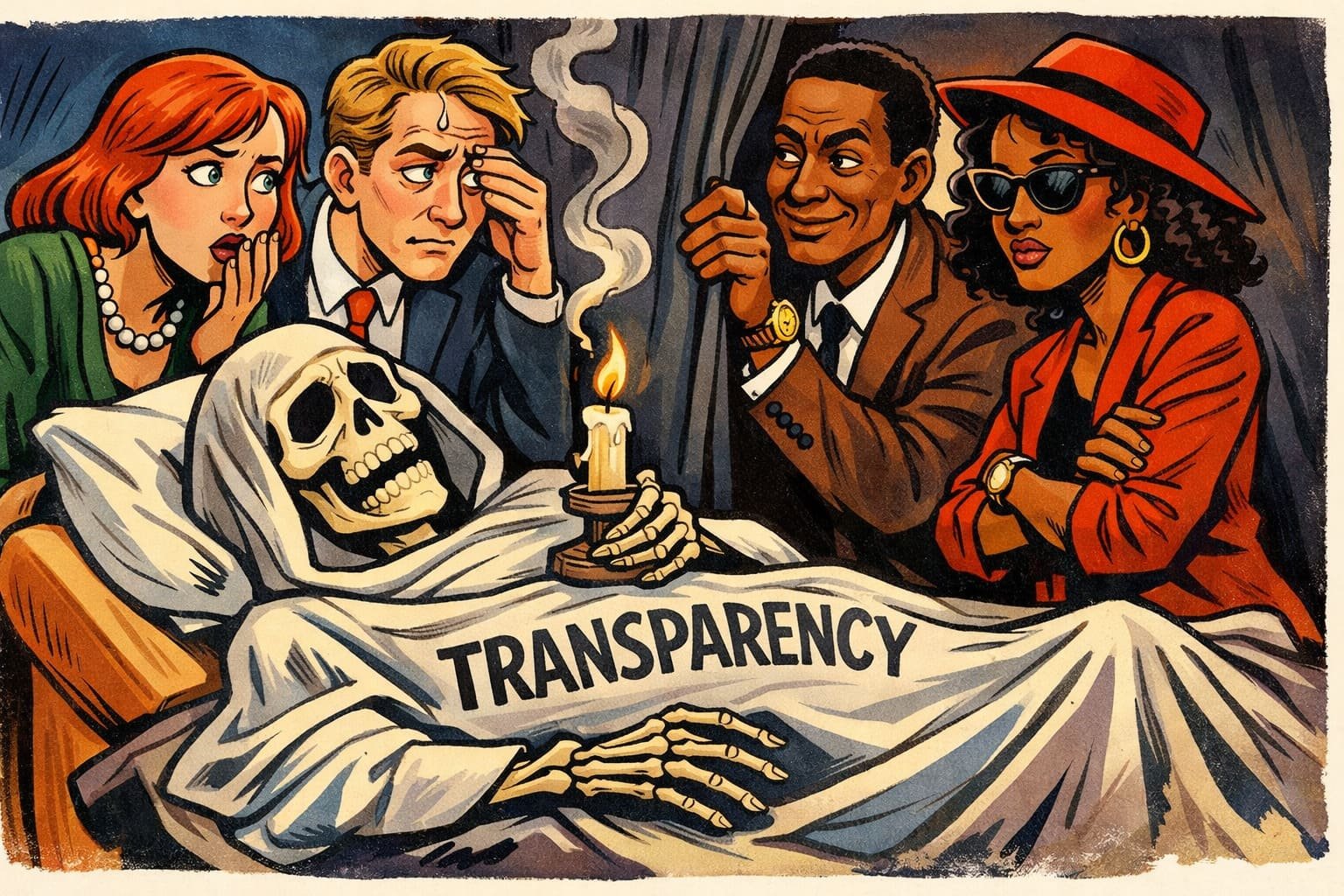
Some fiscal deceptions wear tuxedos. They do not smash windows or shout lies into microphones. They glide into public finance with elegant labels, special vehicles, extraordinary facilities, tax expenditures, guarantees, public corporations, development funds, quasi-fiscal operations, and one-off structures that sound so technical the average voter’s eyes begin to soften with defeat. That is the first warning sign. The budget is becoming a stage trick. When governments shift obligations off the main books, transparency does not die loudly. It loses oxygen in a room full of acronyms.
Off budget tricks thrive because they exploit a basic political hunger. Leaders want to spend without appearing to spend. They want risk without immediate recognition of risk. They want investment without the irritation of headline deficits. Extrabudgetary funds, state-owned enterprise liabilities, hidden guarantees, and tax breaks buried outside direct appropriations can all serve this purpose. The IMF’s fiscal transparency work has repeatedly stressed that budget documents should cover extrabudgetary activities, contingent liabilities, tax expenditures, and quasi-fiscal operations precisely because hiding them weakens accountability.
The appeal is obvious. A politician who cannot afford a promise inside the budget may try to relocate it just outside the camera frame. Infrastructure gets pushed through a state entity. Subsidies appear as tax preferences rather than spending. Energy prices are suppressed through utility balance sheets. Lending guarantees are issued as though they were blessings rather than possible future costs. On paper, the main fiscal picture looks calmer. In reality, the obligation has merely been moved from the front hallway to the basement, where it waits to flood the house during the next storm.
Citizens feel the consequences even when they never learn the jargon. A transit project runs over cost and suddenly the sponsoring public entity needs support. A utility forced to keep tariffs unrealistically low stops investing in maintenance. A guarantee granted in sunshine turns into a public burden in rain. A tax break that once seemed harmless becomes a permanent hole in the revenue base because nobody has the political courage to count it like spending. Off budget maneuvers are sold as flexibility. They often function as delayed confession.
A finance official in an African capital once described a state-owned enterprise as “a polite place for fiscal stress to hide until election season is over.” The line was funny in the sad way real budget lines often are. Everyone in the room understood the meaning. The company borrowed. The ministry smiled. The deficit looked prettier for a season. Then the support became unavoidable, and the public discovered that hidden commitments can still arrive with very visible consequences. The roads did not improve. The debt did.
The fiscal problem is larger than deception alone. Off budget tricks distort decision-making. Once a cost is hidden or softened, projects that should fail can survive. Politicians lose the discipline that comes from seeing trade-offs in one place. Parliament loses oversight because the story is fragmented. Citizens lose the ability to judge whether the state is being careful or merely creative. Transparency is not a moral luxury. It is the mechanism that allows a society to ask a simple, civilizing question: what are we actually paying for, and what are we really on the hook for?
Tax expenditures deserve special suspicion here. They are often sold as tax relief, which sounds cleaner than spending. Yet a targeted exemption, allowance, credit, or preferential treatment can operate like spending by another name. The difference is largely political cosmetics. Once embedded, such measures can become harder to review than direct programs because beneficiaries see themselves as keeping what is theirs rather than receiving public support. A hole in the tax base then acquires a halo. That is how transparency dies in broad daylight, while everyone insists nothing improper occurred.
There are moments when off budget tools make sense. Development banks can play useful roles. Emergency facilities can move faster than normal appropriations. Public corporations can deliver services efficiently in the right framework. The issue is not form alone. It is disclosure, control, consolidation, and risk recognition. Mature public finance is not allergic to complexity. It is allergic to concealment. Complexity becomes dangerous when it is deployed as camouflage rather than design.
The irony is that markets usually smell these tricks faster than the public does. Investors may not know every detail, but they know where governments tend to stash awkward liabilities. The cost of that suspicion shows up in credibility. If a state becomes known for optimistic presentation and delayed recognition, its future promises carry a discount. Bondholders demand more comfort. Citizens demand more patience. Both are forms of tax. One is financial. The other is emotional. Neither is cheap.
A municipal utility in southern Europe kept household tariffs politically low for years while deferring repair and borrowing through structures most residents never heard discussed openly. The arrangement felt compassionate until outages multiplied and the rescue required broad public support anyway. Households ended up paying twice, once through hidden deterioration and again through explicit fiscal repair. That is the pattern off budget politics loves. It borrows calm from the present and repays it with distrust in the future.
The best antidote is not a single anti-trick rule. It is a culture of comprehensive reporting, independent scrutiny, and public language plain enough to embarrass obscurity. If a guarantee is real, count it as real risk. If a tax break behaves like spending, discuss it like spending. If a state enterprise carries a public burden, bring that burden into view. The IMF’s transparency code exists for this exact reason, to force the whole fiscal picture into the light before reality does it with sharper methods.
In the end, off budget tricks do more than cloud accounts. They corrode trust in the basic democratic idea that citizens deserve to know what their government is promising in their name. The damage is quiet, then cumulative, then cultural. One day the budget document still appears thick and official, yet the truth has slipped out through side doors and affiliated vehicles and clever labels. Transparency has not been murdered. It has been politely edited into irrelevance. That is how a fiscal state begins to lose not only clarity, but character.
