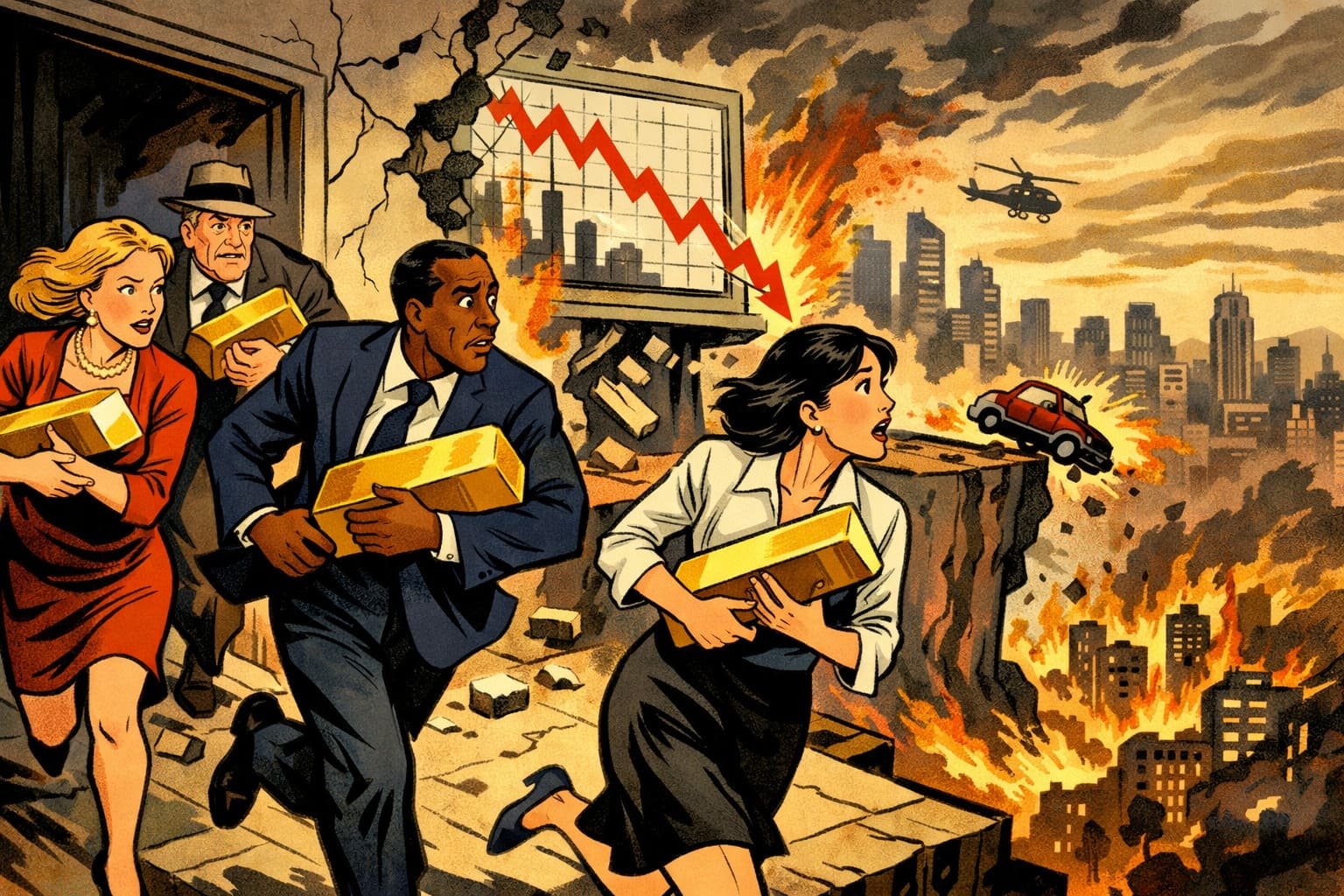
The conference room overlooked a city skyline built by ambitious dreamers, yet the most important conversation that afternoon had nothing to do with expansion. Around the polished table sat investment bankers, accountants, lawyers, and business advisors studying a company that appeared stronger than ever. Revenue had reached record levels. Customers remained loyal. Growth projections looked impressive. Then the lead advisor quietly closed the financial report and asked, “If this business is worth so much today, why wait until the market decides otherwise?” The room fell silent. Great exits are rarely driven by desperation. They are planned while opportunity still shines brightest.
Many business owners believe selling should happen only after growth has reached its absolute peak. Unfortunately, nobody recognizes the exact peak until it has already passed. Markets change without asking permission. Technologies disrupt entire industries. Consumer behavior evolves. Economic cycles reshape valuations. Experienced advisors understand this uncomfortable reality. They do not simply evaluate where the business stands today. They assess where buyers believe the business will stand tomorrow. Value is determined as much by future confidence as by present performance.
One of the greatest misconceptions surrounding business exits is the belief that selling reflects defeat. Exceptional advisors see something entirely different. A well-timed exit represents disciplined leadership. It allows owners to realize years of accumulated value before unforeseen risks begin eroding enterprise worth. Successful entrepreneurs do not cling emotionally to every asset forever. They recognize when capital, experience, and opportunity can create even greater value elsewhere. The objective is not merely to own a business. It is to maximize the long-term impact of everything that business has created.
Industrial entrepreneur Victor built a highly respected packaging company serving international manufacturers for more than twenty years. The business generated stable profits and maintained an outstanding reputation throughout the industry. Several advisory firms encouraged him to consider selling while valuations remained exceptionally strong. Victor initially resisted, convinced another decade of growth was inevitable. During a strategic review, his advisors presented evidence of changing environmental regulations, increasing automation costs, and growing international competition. None of these trends threatened the business immediately, yet together they signaled a more uncertain future. Victor chose to sell from a position of strength. Years later, several competitors struggled with industry disruptions that significantly reduced acquisition values. His greatest financial decision was recognizing that timing often matters more than optimism.
Business history provides similar lessons. WhatsApp accepted acquisition by Meta Platforms during a period of extraordinary growth, allowing the platform to scale globally with substantial investment and infrastructure. While every business follows its own unique journey, successful exits frequently occur because leaders evaluate future market conditions objectively instead of assuming present momentum will continue indefinitely.
Trusted advisors contribute far more than valuation reports. They provide emotional distance when founders become deeply attached to businesses representing years of sacrifice and identity. Accountants evaluate financial readiness. Legal professionals reduce transaction risk. Investment bankers understand buyer behavior. Strategic advisors identify industry trends invisible to daily operations. Together, they help owners make decisions grounded in evidence rather than emotion. Their greatest value often lies in asking difficult questions founders naturally avoid asking themselves.
Preparing for an exit also strengthens the business whether a sale occurs or not. Companies with documented systems, capable leadership teams, diversified customer relationships, and transparent financial reporting become more resilient, more profitable, and significantly more attractive to investors. Ironically, businesses prepared to sell are often stronger businesses to keep because disciplined preparation improves every aspect of organizational performance. Exit planning therefore becomes a leadership exercise rather than merely a financial transaction.
As another successful entrepreneur leaves the advisor’s office carrying more questions than answers, one truth quietly settles into focus. Every business eventually reaches a crossroads where courage means knowing when to continue and wisdom means knowing when to let go. Markets reward those who recognize opportunity before urgency arrives. The finest exits are not rushed escapes from failure. They are carefully planned transitions executed while strength, confidence, and possibility still define the story. Ask yourself this: if your business reached its highest value today, would you recognize the moment—or would emotion persuade you to wait until the market made the decision for you?
