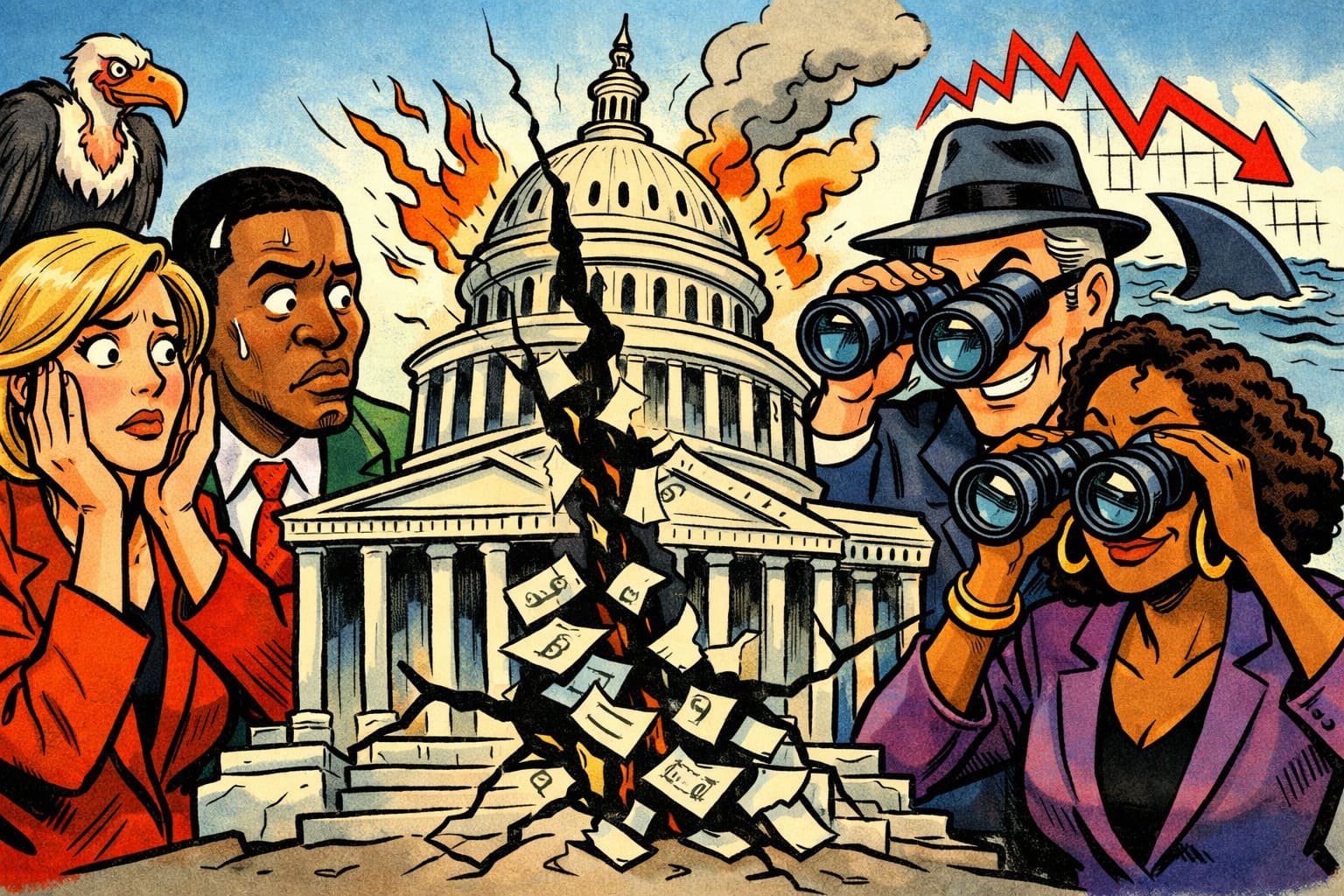
A budget can fail long before it is formally broken. That is one of the nastiest truths in economics. Governments tend to think in terms of legal passage, parliamentary votes, and official documents stamped with solemn confidence. Markets think in terms of believability. The budget may survive the chamber and still get laughed out of the bond market. That is what credibility means. It is not a mood. It is the difference between investors viewing a fiscal plan as disciplined and viewing it as a costume with expensive consequences.
Budget credibility matters because governments borrow on reputation as much as on raw numbers. Two countries can carry similar debt burdens and face very different financing conditions if one is seen as coherent and the other as opportunistic. The market asks basic questions with almost rude simplicity. Does the government understand its own trade-offs? Are the numbers plausible? Is the political system capable of following through? What happens if growth disappoints? Those questions sound clinical, but once doubt takes hold the consequences become intensely human. Mortgage rates shift. Currency pressure rises. public programs face harsher constraints.
The financial world likes to speak in calming euphemisms, but there is something predatory about what happens when a budget’s credibility cracks. Markets hunt weakness. They probe for soft assumptions, unfunded promises, and political denial. That does not make investors evil. It makes them investors. They are paid to price risk, not to soothe national vanity. Once a government signals that fiscal rules are flexible, forecasts are decorative, or discipline is optional, capital starts demanding compensation. In plain language, the country pays more for the privilege of being doubted.
Britain’s mini-budget episode remains the perfect modern morality play because it collapsed the timeline between fiscal bravado and market backlash. Unfunded tax cuts and weak institutional signaling were enough to send yields upward and shake confidence so quickly that intervention became necessary. The lesson was brutal and simple. Credibility is not built by declaring growth into existence. It is built by convincing others that the plan has ballast. Markets do not require perfection. They do require seriousness. When seriousness vanishes, weakness begins glowing like a target.
This pattern is not unique to one country. Emerging markets have long known that credibility can be thinner and more precious than official speeches admit. A vague subsidy plan, a loose election budget, an opaque off-balance-sheet liability, or a central bank forced into fiscal accommodation can all become signs that the state is losing control of its own story. Investors do not need every detail to be bad. They only need enough to believe that the adults have left the room. After that, financing conditions can tighten with shocking speed.
A sovereign analyst once described a weak budget as “a building with decorative columns and no internal beams.” The phrasing was theatrical, but accurate. Plenty of fiscal documents look impressive. Tables, annexes, projections, stern language about responsibility. Yet if the assumptions are stretched, the political coalition is flaky, or the financing needs are underestimated, the architecture is mostly mood lighting. Budget credibility is structural. It depends on institutions, track record, transparency, and the willingness to disappoint allies before markets force something uglier.
This is why independent fiscal institutions matter more than politicians enjoy admitting. Watchdogs, budget offices, debt management expertise, transparent forecasts, and strong central bank independence all help create the impression that the fiscal machine is not merely a campaign prop. These institutions do not eliminate risk. They slow the spread of fiction. In a world where governments face aging costs, climate pressures, defense demands, and high refinancing needs, that matters enormously. Markets can tolerate bad news better than they tolerate manipulated news. Honesty hurts less than improvisation.
There is also an emotional layer to credibility. Citizens watch how markets react and infer something about national competence. When investors recoil from a budget, the public senses humiliation even if nobody says it aloud. A country begins to feel less sovereign than its flags suggest. The message is grim. The state may still write its own budget, but outsiders are deciding how painful that budget becomes. That feeling can radicalize politics. It feeds resentment, nationalism, blame games, and desperate promises that only further damage trust. A credibility crack is rarely just financial. It is psychological.
The contrarian move for governments is not to become timid. Markets do not reward cowardice automatically. They reward believable boldness. A state can borrow for major investment, industrial renewal, or energy transition and still retain trust if the framework is credible, the governance clear, and the trade-offs openly priced. The problem is not ambition. The problem is fiscal cosplay, the habit of dressing desire as strategy and then acting offended when bond investors notice the seams. Serious ambition attracts capital. Reckless theatre attracts a premium.
That is why budget discipline and democratic honesty belong together. A government that explains what it is doing, why it matters, how it will be funded, and what will happen if conditions worsen is far stronger than one that tries to spare voters discomfort with evasive arithmetic. Credibility is not austerity worship. It is public adulthood. It says the state respects reality enough to plan inside it. That respect is what markets seek. Not charm. Not swagger. Not patriotic captions over stock footage of cranes and children.
Once credibility cracks, the sound is hard to forget. It echoes through refinancing costs, opposition attacks, nervous households, and ministers suddenly speaking in clipped tones no one used during the launch. The weakness market participants hunted was not always the debt stock itself. Often it was something more embarrassing. The weakness was denial. There is no hedge against that. No glossy annex can cover it. The only real defense is a budget sturdy enough to withstand rude questions before the market asks them at scale.
And that leaves a country facing the most uncomfortable mirror in public finance. The market is not always fair, but it is often unforgivingly clear about whether the story being sold matches the numbers underneath. When the crack appears, it is not only the budget that gets repriced. It is the government’s claim to competence. The country then has a choice. Patch the narrative and hope, or rebuild trust beam by beam before weakness turns into a permanent scent capital can detect from miles away.
