A battered cafe table bears witness as two strangers lean in, voices soft, notebooks open, a recorder blinking quietly beside a chipped mug. Outside, rain blurs the glass and city traffic rumbles like distant thunder. What draws them here is not a thirst for coffee but for connection. Around them, the world hurries by, convinced that answers live in numbers alone. Yet here, among whispered recollections and laughter tinged with regret, another kind of truth is taking shape—messy, emotional, and alive. This is the raw theatre of qualitative research, where secrets surface not through calculation but through confession.
You, too, have sensed the limits of data stripped of context. Maybe you’ve watched a focus group spark with revelation as participants voice thoughts they never would have written on a survey. Or maybe you’ve seen a product fail in the wild because no one listened to the quiet grumblings of everyday users. In business, numbers can track the what, but stories reveal the why. Amazon’s Alexa team, for instance, learned to rethink product design after home interviews revealed that users spoke to the device like a friend. Quantitative logs measured usage, but only qualitative research unlocked the longing for companionship behind each voice command.
As a researcher, you’re often the detective in a world that values speed over substance. There’s magic in the patient act of listening. Great qualitative work rarely happens under fluorescent office lights. It unfolds in borrowed classrooms, crowded clinics, kitchens thick with the scent of stew. Nobel laureate Daniel Kahneman’s pioneering interviews with Israeli soldiers did not simply reveal stress levels—they unveiled the complex hopes and fears tangled beneath the uniform. Insights like these have upended industries and reframed policies.
Not every executive trusts the slow power of interviews and observation. The boardroom craves certainty. But those who wager on qualitative research win an edge their rivals rarely see coming. Consider Zappos, the online retailer that built its legendary customer service by inviting buyers to share not just complaints but entire shopping sagas. The patterns that emerged—unexpected, deeply personal—sparked changes in everything from return policies to web design, driving loyalty beyond price.
Qualitative data refuses to be tamed. It resists tidy summaries and upends easy narratives. Researchers who embrace this chaos develop a sixth sense for human complexity. An education startup once discovered its app was most beloved not by students, but by exhausted parents looking for a few minutes’ peace. This insight, gleaned from open-ended interviews, shifted their entire marketing campaign—and rescued the business from stagnation.
As you conduct interviews, observe behaviors, and dig into field notes, you become part anthropologist, part confidant. Trust is earned, not assumed. The most meaningful findings arrive when participants feel safe enough to share what they never say aloud. A healthcare nonprofit in Mumbai learned this the hard way, failing to uncover the reasons behind missed appointments until field workers dropped their clipboards and simply listened over shared chai. Only then did the real barriers—family pressure, stigma, fear—emerge.
You may struggle with the ambiguity that qualitative research breeds. While quantitative methods offer tidy charts and confidence intervals, the fruits of interviews are unruly. Yet, this very messiness is its power. The real world is complex, tangled, contradictory. Authentic answers rarely fit into tidy rows. The leader who learns to embrace nuance builds organizations that bend instead of break in times of change.
Some of the most profound business pivots come from stories told in passing. A technology giant once shifted its roadmap after a single mother described how her child used a voice assistant to help with homework. The data team had flagged educational queries, but only her story gave the signal meaning. Small truths, discovered through dialogue, can spark revolutions in product and policy.
Do not mistake qualitative research for softness or nostalgia. Its edge is as sharp as any algorithm. Netflix’s original content division soared by running thousands of in-depth interviews with viewers. The findings often ran counter to streaming data. People craved stories that mirrored their messy, imperfect lives. Numbers identified trends, but only stories illuminated why they mattered. That edge has propelled Netflix’s rise, outpacing slower, less curious competitors.
If you want to harness the full power of qualitative research, cultivate patience and humility. You are not just gathering information; you are honoring lived experience. Invite discomfort. Let interviews linger beyond the agenda. Ask the extra question, and risk awkward silence. The gold often glimmers in the moment when participants drop their guard, and something real escapes.
The magic of qualitative research is its unpredictability. No two interviews are the same, and no insight arrives on schedule. Yet, the rewards are immense: deeper products, braver teams, brands that earn not just attention, but affection. The world may be dazzled by numbers, but the future belongs to those who dare to listen.
Night falls as the cafe empties, the recorder blinking a final red. Two chairs stand abandoned, flecks of light catching the scribbled notes left behind. Outside, puddles ripple with city neon, refracting the unspoken truths gathered between sips and sighs.
What lingers isn’t the data, but the memory of voices—hopeful, hesitant, raw. Each story folds into the next, weaving a tapestry no spreadsheet could capture. The researcher slips into the rain, pockets full of questions, certain only of this: that in the soft spaces between the facts, the real future is born.
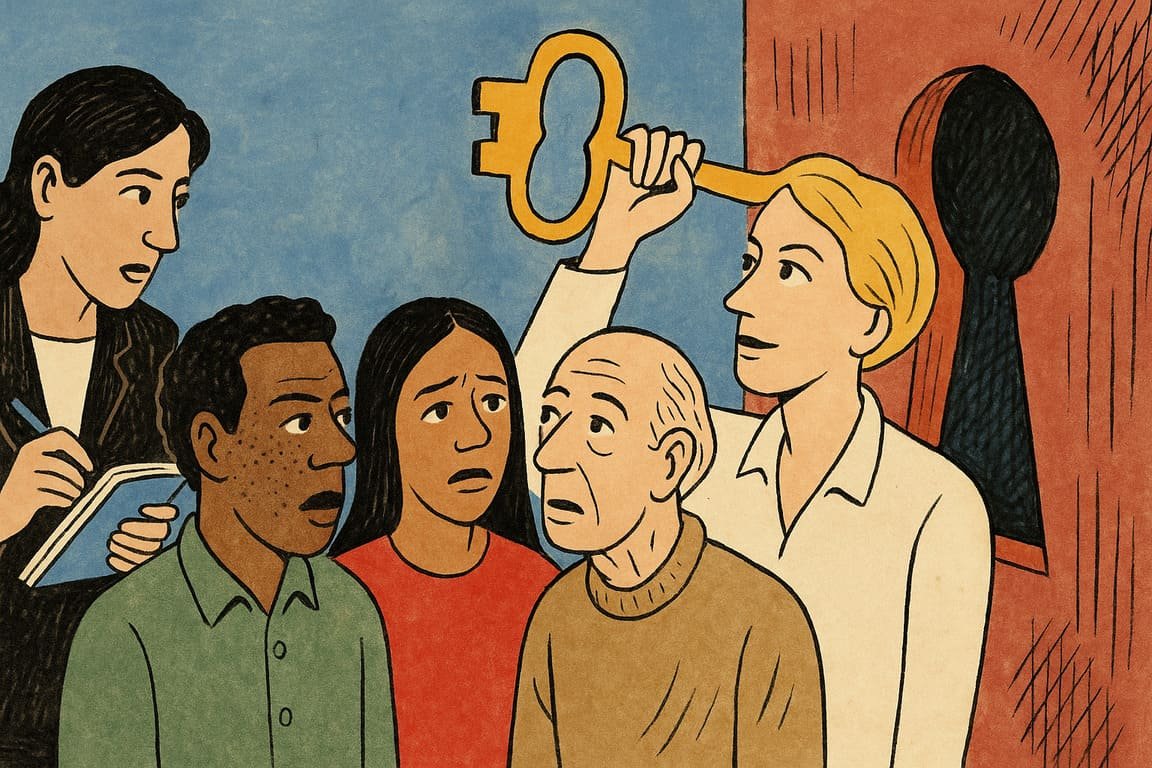
You hold the pen now. Will you ask the question that unlocks the next human truth?
