The boardroom smelled of polished walnut, burnt coffee, and the stale confidence that accumulates inside organizations convinced they are too important to fail. Quarterly reports glowed across giant screens while executives nodded at growth projections nobody fully trusted anymore. Outside the skyscraper windows, the city pulsed with impatient competition. Inside, the atmosphere felt strangely ceremonial, almost religious. Corporate language has a peculiar ability to disguise panic beneath phrases like “strategic realignment” and “future positioning.” Entire empires have collapsed while sounding professionally optimistic until the final hour.
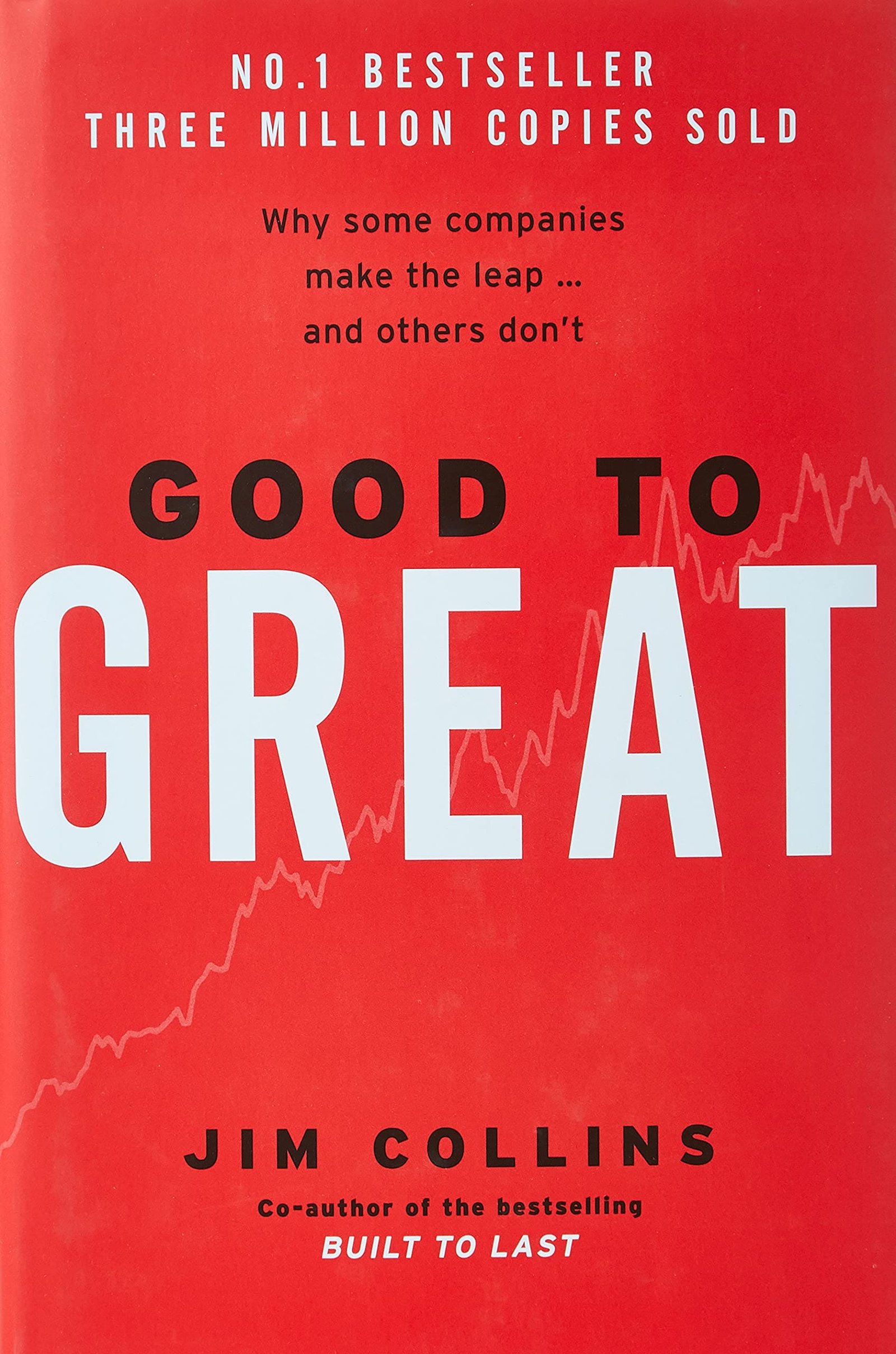
Good to Great: Why Some Companies Make the Leap… and Others Don’t enters that fragile landscape like an autopsy report written with the discipline of a historian and the suspicion of a detective. Jim Collins did not simply ask why companies succeed. He investigated why some organizations transcend mediocrity while others drift endlessly through cycles of hype, bureaucracy, and eventual decline. The book feels enduring because it strips greatness of glamour. Exceptional companies, Collins argues, are rarely built through charisma alone. They are constructed through disciplined systems, uncomfortable honesty, patient leadership, and cultures capable of confronting reality without collapsing emotionally.
That insight cuts against modern business mythology. Contemporary corporate culture often worships visionary personalities loud enough to dominate headlines. Collins points somewhere quieter and more dangerous. Great organizations frequently emerge from leaders who appear almost anticlimactic publicly. Humble. Relentless. Methodical. Less celebrity emperor, more obsessive architect. The contrast feels startling in an era where executives increasingly resemble influencers managing personal brands alongside companies.
A manufacturing executive named Tomas learned this during the collapse of a once-hyped consumer electronics firm celebrated endlessly for its charismatic founder. Investors adored him. Employees quoted him like scripture. Conferences treated him like a prophet wearing designer sneakers instead of sandals. Behind the spectacle, operational discipline quietly deteriorated. Deadlines slipped. Internal communication fractured. Product quality declined while branding budgets expanded. Tomas later joined a far less glamorous industrial company led by a soft-spoken CEO who rarely appeared publicly yet understood supply chains, hiring standards, and organizational accountability with frightening precision. The second company quietly dominated its sector while the first dissolved into lawsuits and nostalgia documentaries.
That pattern sits near the heart of Good to Great: Why Some Companies Make the Leap… and Others Don’t. Collins repeatedly demonstrates that sustainable greatness depends less on dramatic gestures and more on disciplined consistency. The famous “Level 5 Leadership” concept captures this elegantly. Truly transformative leaders combine fierce professional will with unusual personal humility. They channel ambition toward institutions rather than ego preservation. That idea feels almost radical now because modern capitalism rewards visibility so aggressively that restraint often gets mistaken for weakness.
The book also dismantles the fantasy of instant transformation. Organizations rarely become exceptional through one miraculous innovation or motivational speech. Momentum builds gradually through accumulated decisions aligned with coherent principles. Collins compares this process to pushing a massive flywheel. At first movement feels painfully slow. Then consistency compounds until momentum appears almost magical externally. The metaphor resonates because it mirrors human development itself. Discipline rarely feels cinematic while happening. Results arrive later wearing the disguise of inevitability.
A retail operations manager named Linh experienced this while helping revive a struggling regional grocery chain overshadowed by flashier competitors. Consultants recommended dramatic rebranding campaigns and viral marketing stunts. The new leadership ignored most of it. Instead they focused obsessively on inventory reliability, staff retention, customer trust, and operational clarity. Employees initially found the approach boring compared to Silicon Valley-style disruption fantasies. Years later the company quietly outperformed rivals collapsing beneath reckless expansion. Customers returned because consistency created emotional trust stronger than spectacle.
Collins becomes especially sharp when analyzing the dangers of ego-driven leadership cultures. Many organizations deteriorate because executives fall in love with appearing visionary instead of building resilient systems. Meetings become theatrical. Metrics become manipulated. Dissent becomes socially dangerous. The company slowly transforms into an emotional protection system for leadership rather than a functioning enterprise. Collins understands this decay intimately. Great organizations confront brutal facts directly because denial compounds faster than almost any operational problem.
That emotional honesty gives the book unusual moral weight. Collins repeatedly emphasizes disciplined thought before disciplined action. Great companies resist chasing every opportunity seductively dangled before them. They understand what they can genuinely excel at, what drives economic sustainability, and what aligns with organizational conviction. Everything else becomes distraction. In a culture addicted to expansion for its own sake, restraint begins looking strangely revolutionary.
A hospitality founder named Marisol faced this tension after her boutique hotel brand gained sudden popularity among luxury travel influencers. Investors pushed aggressive international expansion. Friends encouraged franchising opportunities. Media attention intensified weekly. Marisol hesitated. She understood something outsiders missed: the emotional atmosphere guests loved depended on obsessive details impossible to scale carelessly. Instead of expanding recklessly, she slowed growth deliberately. Critics called the decision timid. Years later competitors collapsed beneath debt while her smaller company became quietly legendary for consistency. Patience protected the culture from dilution.
The deeper brilliance of Good to Great: Why Some Companies Make the Leap… and Others Don’t lies in how it reframes greatness itself. Modern society often treats greatness like performance, visibility, or scale. Collins treats it more like organizational character. Greatness emerges when institutions align people, systems, incentives, and discipline toward coherent long-term reality rather than temporary emotional gratification. That distinction matters enormously in a world increasingly optimized around quarterly optics and digital applause.
The book also contains an understated warning about cultural entropy. Organizations drift toward mediocrity naturally unless disciplined intentionally. Success breeds complacency. Comfort weakens urgency. Bureaucracy expands quietly like mold inside neglected walls. Collins suggests greatness requires constant vigilance against decay. That insight extends far beyond corporations into politics, relationships, communities, and personal identity itself.
Late one evening inside a nearly deserted warehouse office, a logistics director named Farid walked through silent aisles after another brutal quarter. Investors demanded faster growth. Employees feared layoffs. Competitors flooded the market with flashy promises impossible to sustain profitably. Farid paused beside stacks of unsold inventory beneath flickering fluorescent light and reread highlighted passages from Collins about confronting brutal facts without surrendering faith. Something shifted internally. The problem was not difficulty alone. The problem was pretending short-term excitement could replace disciplined clarity indefinitely.
That tension explains why Good to Great: Why Some Companies Make the Leap… and Others Don’t still feels strangely relevant years after publication. The book is not merely analyzing business performance. It is exposing how institutions either strengthen or corrode themselves through leadership psychology, cultural habits, strategic discipline, and moral courage. Collins reminds readers that greatness rarely announces itself loudly while being built. It often looks repetitive, patient, even dull from the outside until the results become impossible to ignore.
Across glass towers, startup incubators, family businesses, political offices, and exhausted late-night strategy meetings tonight, leaders are still chasing shortcuts to significance while quietly neglecting the harder work of building systems capable of surviving reality itself. Some organizations will continue confusing charisma for competence until collapse arrives dressed as surprise. Others will discover the uncomfortable truth Collins kept pointing toward all along: greatness is rarely explosive at first. It accumulates silently, decision by decision, while weaker institutions keep searching desperately for applause loud enough to drown out structural decay.
Editorial Disclaimer: Whether a book is a work of fiction, a memoir, or inspired by real events, the ideas, actions, decisions, and behaviors discussed within are not intended to be encouraged, replicated, or endorsed in real-world situations. This review is published solely for educational, analytical, literary, and entertainment purposes, with the aim of examining the book’s themes, storytelling, characters, philosophies, and broader cultural or business insights. Any ethical or unethical viewpoints, practices, or conduct presented in the book do not necessarily reflect the views, values, or endorsements of ESYRITE.
