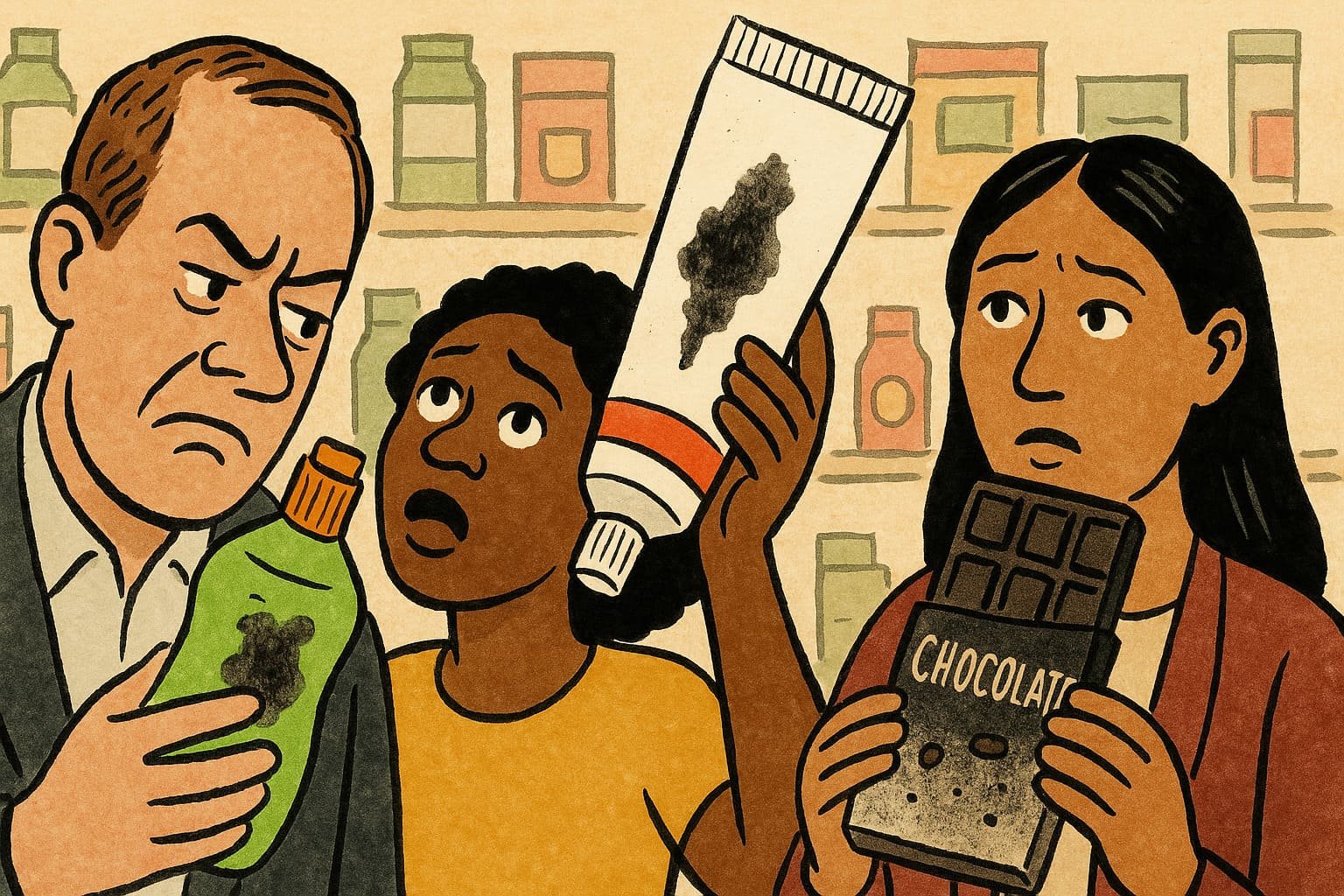
If you think your favorite products were built to serve you, think again. Most were designed to manipulate you. From “child-proof” caps that frustrate adults to apps engineered to hijack your brain, product design has long moved past function and into psychological warfare. Behind the pretty interfaces and ergonomic curves lies a reality few consumers ever question; products are made to keep you addicted, insecure, and impulsive. The truth is not what the glossy packaging shows; it’s hidden beneath the pixels, plastics, and planned obsolescence.
This isn’t paranoia. It’s precision. Design isn’t just about beauty anymore; it’s about behavior. And brands aren’t designing for your benefit; they’re designing to own your attention, your habits, your wallets, and sometimes your self-worth. If you’ve ever wondered why you can’t stop scrolling, why your razor requires a subscription, or why your kitchen appliances break just after the warranty ends, this article is your wake-up call.
Quick Notes
- Design as Manipulation: Many modern product designs are less about utility and more about extracting behavioral responses. From app interfaces to packaging, the goal is control.
- Planned Obsolescence is Real: Products are built to break. It fuels repeat purchases and guarantees long-term profit not durability.
- Data-Driven Deception: Brands use biometric and behavior data to optimize addiction. UX/UI isn’t innocent anymore.
- False Empowerment: Personalization and customization features are often illusionary, serving brands more than users.
- The Antidote? Transparency: Ethical design exists, but it’s buried beneath profit motives. The future demands accountability in every pixel, button, and shelf product.
Design That Deceives: The Hidden Hand in Your Daily Habits
Product design is no longer a silent partner in your decision-making; it’s the loudest voice in the room. Whether you’re swiping right, hitting “buy now,” or choosing that soda in the checkout aisle, a designer has already engineered your choice. There’s no such thing as a neutral interface anymore; everything from button size to font color has been calibrated for conversion. And if you think you’re immune, just look at how long you spend on apps you claim to hate.
Take the red notification bubble. Its urgency mimics real danger, triggering cortisol spikes and the need to respond. It isn’t accidental; it’s neuro-chemical manipulation wrapped in a UI element. This isn’t design thinking; this is addiction thinking, built by professionals trained in behavioral psychology. And yet, we applaud these interfaces as “intuitive” when they’re anything but benign.
Consider Instagram’s infinite scroll; a feature borrowed directly from slot machines. Without a stopping cue, your brain loses track of time and intention. Suddenly, a two-minute check becomes an hour of digital grazing. This isn’t an accident; it’s the goal. By removing friction, designers amplify compulsion, not satisfaction.
Even physical products play dirty. Razor blade cartridges are notoriously hard to match across brands, not because it improves your shave, but because it locks you into a costly ecosystem. Inkjet printers do the same. Compatibility is dead; dependence is profitable. You’re not the user; you’re the recurring revenue stream.
Design now operates under the tyranny of metrics. Engagement, retention, conversion; all hollow words for one chilling truth: control the user, or lose the user. And this control is cloaked in aesthetics, ergonomics, and delight. But at its core, it’s manipulation.
Beautiful Lies: How Aesthetics Cloak Exploitation
When Apple released its AirPods, minimalism met cultural obsession. But the sleek design came at a cost; non-replaceable batteries, short lifespan, and an environmental nightmare. Still, people lined up. Not because it was better tech, but because it was beautifully engineered desire. In design, beauty is the Trojan horse.
Luxury skincare brands often use design to justify absurd price points. Heavy jars, embossed logos, and frosted glass give the illusion of efficacy. Inside? The same formulation as drugstore products, sometimes worse. The design speaks luxury, but it delivers deception. Consumers don’t buy ingredients; they buy perceived sophistication.
Then there are “eco-friendly” products with excessive packaging. Bamboo toothbrushes wrapped in five layers of plastic. Sustainable clothing shipped in bubble wrap. It’s sustainability theater, staged to soothe your guilt while doing nothing for the planet. Design tells one story; the product lives another.
Smart home gadgets follow similar patterns. Voice assistants are sold as convenience devices, but their design masks omnipresent surveillance. The minimalist, speaker-shaped exterior says “helper,” but its real function is “harvester.” Your data, your habits, your preferences all silently recorded, processed, and monetized.
Designers know that perception outpaces reality. It’s easier to build for appearances than substance. Brands exploit this gap ruthlessly, and we applaud them for it. We’ve been taught to value the look of something over its lasting value, and design is the enabler of this deceit.
The Psychology of Power: UX/UI as Behavioral Control
Nir Eyal’s book “Hooked” became a bible for product designers not because it promotes usefulness, but because it shows how to exploit human behavior. This shift from helpful to habitual is the dark heart of modern UX. Every app notification, progress bar, and “one more step” modal is engineered to keep you tethered. Welcome to the attention economy, where your focus is the product.
Fitness apps gamify everything; steps, calories, even hydration. What begins as motivation morphs into dependency. Miss a goal and you feel guilt, not empowerment. The design isn’t tracking your health; it’s training your brain. It’s Pavlov with push notifications.
Ever noticed how e-commerce sites urge urgency? “Only 3 left!” or “5 people are viewing this item now!” These aren’t facts; they’re engineered anxiety. Designers weaponize FOMO with deceptive scarcity signals. The design isn’t informative; it’s coercive.
Streaming platforms auto-play the next episode without consent. The intention is obvious; don’t give users time to reflect, just keep them consuming. The design decision wasn’t for your ease; it was for your exhaustion. When rest becomes resistance, you know the interface isn’t serving you.
UX/UI has evolved from making systems usable to making humans usable. The interface isn’t a tool anymore; it’s a trap. It nudges, pushes, and pressures you into patterns that benefit platforms more than people. You aren’t navigating an app; you’re navigating someone else’s business model.
The Illusion of Choice: Personalization as Control
Netflix recommends what it wants you to see, not what you need. Algorithms curate your experience, claiming to know you better than yourself. But personalization is just branded predictability. It narrows your world under the guise of expanding it.
Amazon’s “Customers also bought” isn’t helpful; it’s manipulative upselling. These suggestions aren’t based on your needs but profit margins. The interface implies helpfulness while steering you toward high-margin items. The freedom to choose is replaced with the illusion of preference.
Smartphone interfaces guide users through walled gardens. App stores, browser defaults, and pre-installed software all shape how you interact with technology. It’s not about utility; it’s about dominance. You choose within boundaries set by designers, not reality.
Even personalization settings are design sleights of hand. The ability to toggle off tracking or notifications is buried beneath convoluted menus. When opting out becomes a labyrinth, the design is not user-first; it’s user-averse.
Digital assistants present a curated voice, often female, soft-spoken, and polite. This isn’t aesthetic; it’s cultural conditioning. These design choices reflect assumptions about servitude and obedience, subtly reinforcing stereotypes. The interface becomes an actor, reinforcing biases hidden under the sheen of convenience.
Breaking the Cycle: Designing for Ethics, Not Exploitation
Basecamp made a bold move by removing tracking features from its software. Their design team prioritized user trust over marketing metrics. It cost them growth in the short term, but earned long-term loyalty. Ethical design is not just possible; it’s powerful.
Ecosia, the search engine that plants trees, embeds purpose into every click. Their interface is simple, transparent, and free of manipulative tricks. The design reinforces the mission, not distracts from it. When form follows ethics, function becomes more trustworthy.
Patagonia has long refused fast-fashion traps. Its product tags encourage repairs over replacements. Even their website design downplays urgency and amplifies environmental narratives. This approach isn’t anti-capitalist; it’s post-exploitative.
Designers must ask themselves: who benefits from this feature? If the answer isn’t the user, scrap it. Great design should empower, not entrap. It should serve the soul, not just the spreadsheet.
The future of design isn’t shinier interfaces or faster funnels. It’s slower, more deliberate decisions. It’s returning to the roots of design as a human act; creative, considerate, and conscious. We don’t need smarter tools; we need wiser intentions.
The Design Detox Starts Now
You’ve been nudged, primed, and guided down paths you never chose. But knowing the game changes the game. Behind every button is a motive. Behind every scroll is a strategy. The truth about dirty design isn’t just unsettling; it’s liberating. Because once you see the puppet strings, you can choose to stop dancing.
We need to question the silent power of design. Not just as consumers, but as citizens. Not every innovation is progress. Not every sleek product is your friend. Ask yourself: is this tool helping me or using me?
Ethical design isn’t a utopia. It’s a responsibility. And it starts with demanding better, building better, and thinking critically. The next time you download, unbox, or tap “yes,” remember: your choices shape the future of design.
And maybe, just maybe, we can design our way back to trust.
