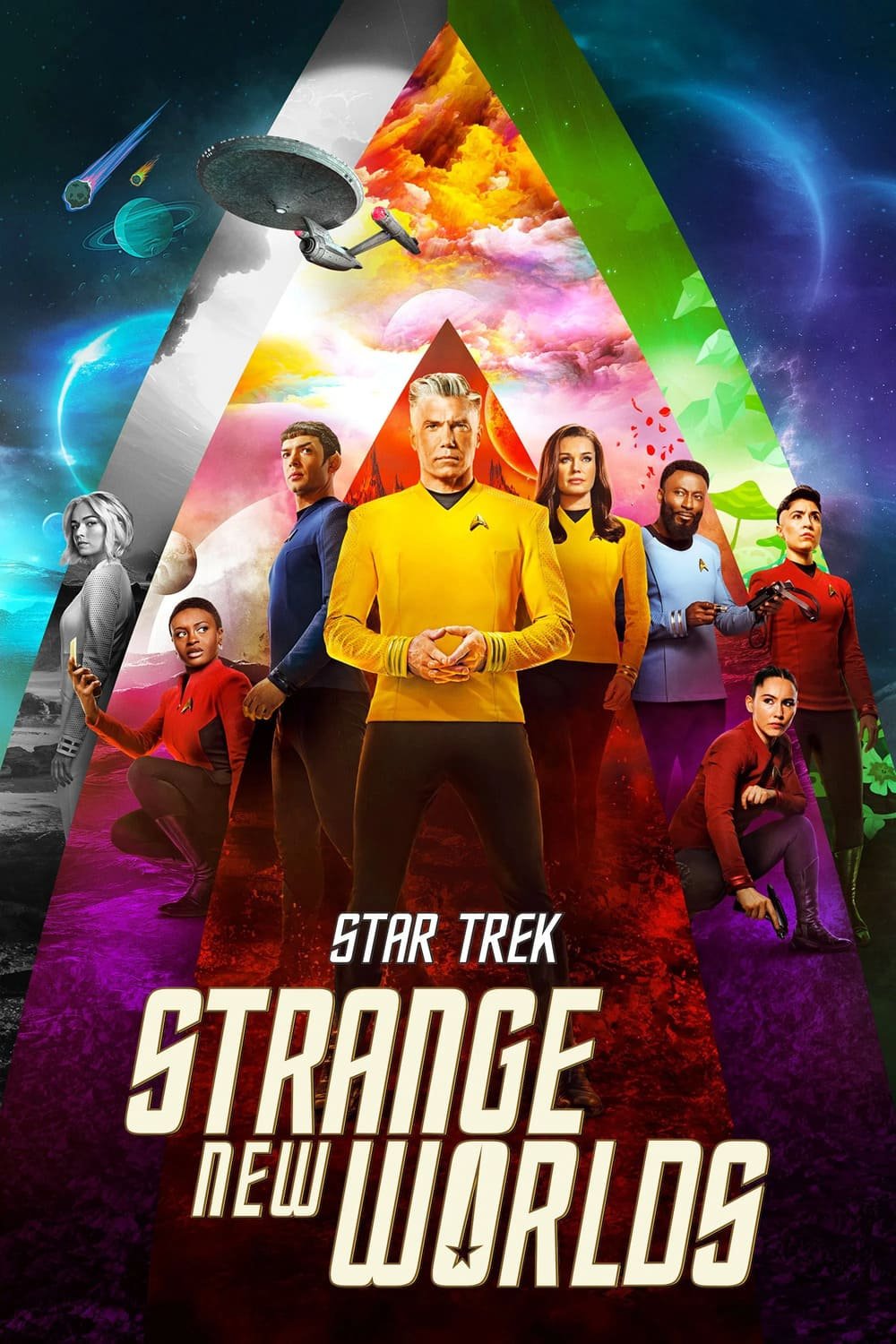
Star Trek: Strange New Worlds arrives at a moment when science fiction feels burdened by cynicism, yet this vibrant reboot delivers a masterclass in hope and reinvention. The series boldly sets its course as both a love letter to the golden age of Trek and a fresh, adventurous reset for a new generation of dreamers. It seizes the best of what made the franchise iconic: weekly stories of cosmic intrigue, philosophical debate, and the joy of discovery, all while infusing the narrative with urgent relevance and irresistible charm. If you ever wondered whether modern TV could recapture the magic of optimistic, character-driven science fiction, Strange New Worlds provides a clear answer—yes, and it’s spectacular.
From its first minutes, the series stakes its claim with style and confidence. Anson Mount’s portrayal of Captain Christopher Pike radiates authority, compassion, and a quiet charisma that sets the tone for the entire ensemble. The visuals are cinematic, yet every shot is grounded in emotional stakes and relatable dilemmas. Unlike darker, serialized peers, Strange New Worlds reembraces episodic storytelling, allowing each week’s adventure to shine as a self-contained gem. The show’s design is not just retro homage but a living, breathing vision of the future that blends sleek tech with lived-in humanity.
Viewers will recognize the return of beloved characters—Spock, Uhura, Chapel—each reimagined with modern complexity but never reduced to nostalgia bait. The writers deliver new dimensions to these icons, offering them inner struggles, personal ambitions, and relationships that matter. What’s striking is how the cast feels both fresh and familiar, a careful balance that rewards longtime fans without alienating newcomers. There’s real joy in watching the crew of the USS Enterprise take risks, argue, laugh, and confront the unknown together.
Philosophical questions lie at the show’s core, but these are never delivered as lectures. The writers weave timely debates about ethics, leadership, and identity into thrilling escapades—alien contact, planetary crises, personal sacrifice—each episode posing its own challenge to Starfleet’s ideals. The narrative asks hard questions about duty, progress, and the price of peace, but never loses sight of optimism and the fundamental belief that compassion trumps fear.
In a media landscape crowded with dystopian visions, Strange New Worlds feels radically hopeful. The show argues that the real adventure isn’t conquering the galaxy but striving to understand it—and ourselves. It’s a vision as timely as it is timeless, and for anyone craving escapism with substance, Strange New Worlds delivers both with elegance and heart.

Quick Notes
- Episodic Brilliance: Each adventure is self-contained, inviting new viewers while delighting old fans.
- Revitalized Characters: Pike, Spock, Uhura, and more return with modern depth and emotional stakes.
- Stunning Visuals: Cinematic effects and immersive set designs raise the bar for science fiction TV.
- Moral Complexity: Thought-provoking dilemmas about justice, inclusion, and leadership run through every mission.
- Unapologetic Optimism: A fresh, hopeful tone revives Star Trek’s core spirit and makes the future feel inviting.
To Boldly Go: Charting Strange New Worlds’ Voyage
The USS Enterprise, under Captain Pike’s steady command, returns to the frontlines of exploration. Each episode begins with a new challenge: a distress call from a fractured civilization, a mysterious anomaly threatening a planet, or the tantalizing hint of a first contact. The crew is a diverse and evolving ensemble: the logical yet conflicted Spock, the fearless and talented Cadet Uhura, the brilliant but haunted Nurse Chapel, and the enigmatic Number One. Their chemistry powers every plotline, transforming cosmic stakes into deeply personal drama.
The show’s format honors the classic Trek tradition: stories that balance heady science fiction with relatable, character-driven stakes. Week after week, the Enterprise finds itself navigating moral gray zones—should the Prime Directive be bent to save lives? How much should Starfleet risk for a potential ally? Each adventure blends suspense, wit, and philosophical depth, keeping viewers guessing without sacrificing narrative clarity.
Strange New Worlds excels at reimagining classic dilemmas for modern times. When a newly discovered world threatens to spiral into war, the crew must balance diplomatic ingenuity with emotional intelligence. When alien cultures challenge Starfleet’s assumptions, Pike and his team are forced to reexamine their own biases and ethical boundaries. These challenges are not just academic; they carry emotional weight, forging unbreakable bonds between crew members who must learn to trust, forgive, and grow.
The visual storytelling is a marvel. Alien landscapes shimmer with detail, starship interiors buzz with life, and action sequences are choreographed for both excitement and clarity. But the real magic lies in the show’s pacing: intense action, witty banter, and contemplative quiet moments blend seamlessly, creating an experience that’s as rich for the heart as for the eyes.
By the season’s end, the crew emerges transformed—not just as explorers but as a family forged in the crucible of shared trials. Each mission leaves its mark, shaping characters and viewers alike with lessons about courage, humility, and hope. The Enterprise’s journey becomes a mirror for our own, reminding us that every unknown is just an invitation to grow.
Lessons in Command, Curiosity, and the Power of Hope
Captain Pike’s leadership style is a masterclass for real-world executives and team builders. He listens as much as he speaks, cultivates trust, and empowers those around him to make decisions. In high-stress situations—from corporate boardrooms to emergency rooms—leaders who foster respect and collaboration consistently achieve better outcomes. Strange New Worlds shows that authority is most effective when paired with empathy and humility.
The crew’s diversity is never window dressing. Each character’s background, skills, and perspective become essential to solving problems. The show provides a clear argument for inclusion, echoing research that diverse teams—whether in tech, education, or public service—outperform homogenous groups. For example, the rapid innovations at multinational firms like IBM and Google often stem from their ability to leverage global perspectives.
Every adventure hinges on curiosity and adaptability. The Enterprise’s missions are often derailed by the unexpected, and success depends on the crew’s willingness to improvise, learn, and admit what they don’t know. This echoes lessons from high-performing organizations: adaptability isn’t just a buzzword but a survival skill. During the COVID-19 pandemic, companies that thrived were those quick to pivot, embrace remote work, and rethink customer engagement.
Ethics remain at the center of each story. The Prime Directive, Starfleet’s guiding principle of non-interference, is frequently tested by urgent dilemmas. Pike and his officers must decide when to follow the rules and when to risk everything for compassion or justice. This resonates in real-world contexts, from medical triage in disaster zones to legal debates on privacy and technology. Good intentions aren’t enough—responsible action requires discernment, accountability, and the courage to accept consequences.
Hope, above all, is the show’s rallying cry. Strange New Worlds insists that tomorrow can be brighter, if we approach challenges with open minds and full hearts. This philosophy inspires not only science fiction fans but educators, social entrepreneurs, and activists seeking real change. History proves the power of hope: whether launching a startup in a crowded market or rebuilding after disaster, belief in possibility drives progress. The Enterprise’s journey, like every bold endeavor, is fueled by this stubborn optimism.
Coming Home to the Stars: Why Strange New Worlds is Essential Viewing
As the credits roll, Strange New Worlds leaves viewers with more than just dazzling visuals or cliffhanger endings. It’s a series that invites you to reflect on your own ideals, your willingness to embrace difference, and your appetite for adventure. The show balances thrilling escapism with grounded emotion, making the future feel accessible rather than alien. Each character’s arc, from Spock’s inner struggle to Uhura’s growth as an officer, offers a unique window into the challenge of becoming your best self.
Storytelling in Strange New Worlds is never passive. The series dares viewers to ask tough questions and confront uncomfortable truths. Yet every episode reaffirms that failure isn’t the end, but a springboard for growth. Whether on the bridge of a starship or in a modern workplace, the lessons land: value your team, speak up for what matters, and don’t shrink from the unknown.
What truly sets Strange New Worlds apart is its blend of nostalgia and innovation. It honors the past while blazing its own trail, breathing new life into familiar faces and themes. The show’s willingness to take creative risks—whether exploring new worlds or confronting today’s social issues—keeps the storytelling dynamic and unpredictable.
The impact of the series already ripples far beyond fandom. Businesses, schools, and leadership programs draw on its lessons in teamwork, ethics, and resilience. Fans gather online to dissect every twist and debate every moral question, creating a vibrant community fueled by hope and curiosity. Real-world leaders cite Pike’s approach to crisis as a model for modern management, proving that fiction can inspire real action.
Ultimately, Star Trek: Strange New Worlds isn’t just a show—it’s an invitation. To dream bigger, to lead with kindness, and to chart your own path through whatever uncharted galaxies you face. As long as there are new challenges and new possibilities, the Enterprise’s journey, and ours, will never be over.
Disclaimer
It’s also critical to remember that whether the TV show is either a work of fiction or real life depiction, it must be emphasized that the actions depicted within are not encouraged in reality and shouldn’t be imitated.
