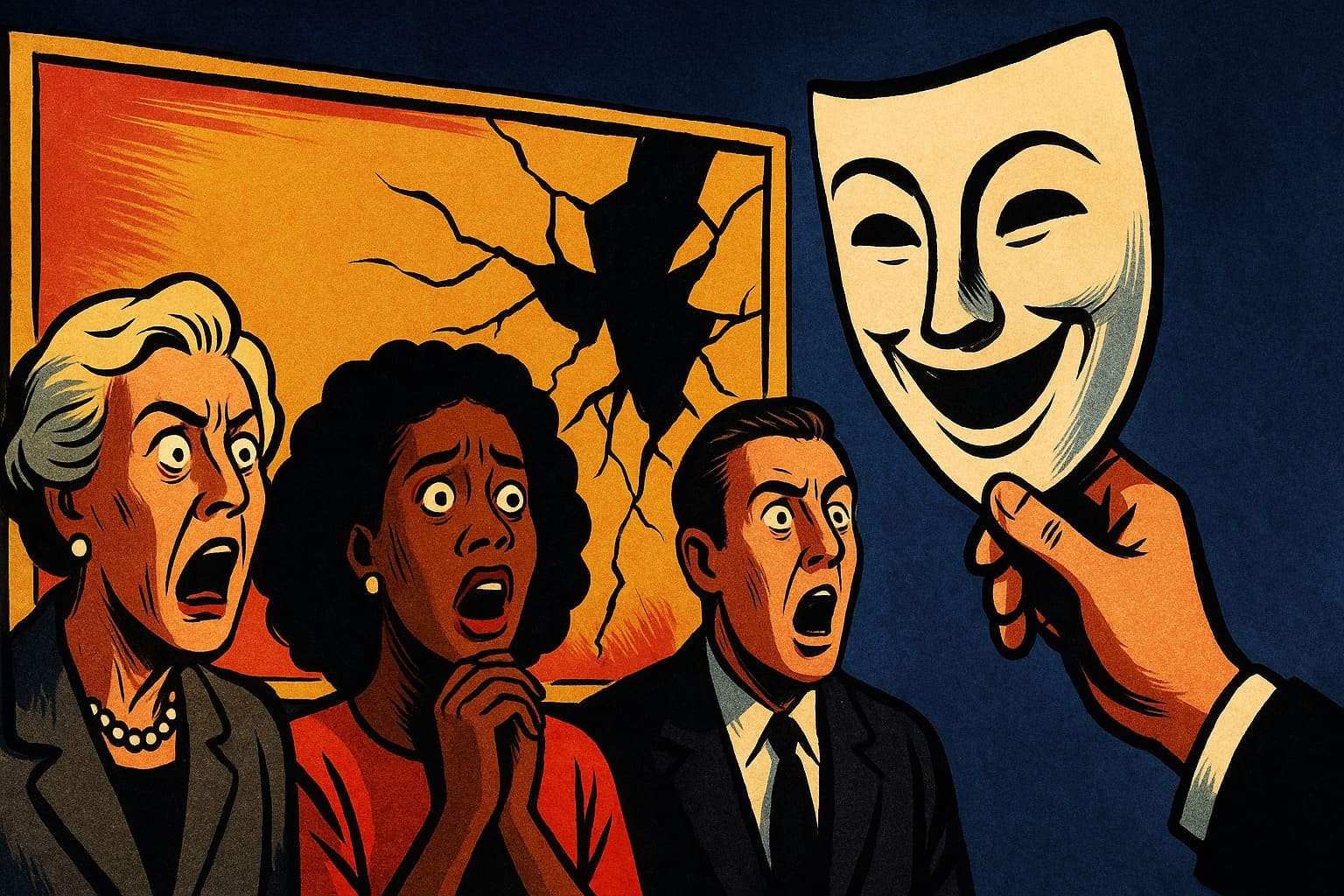
A giant billboard flickers above the city’s sleepless core, splattering a thousand perfect smiles onto the glass towers below. Morning air tastes sharp with ambition, every sidewalk stranger glued to a screen selling something—coffee, confidence, a dream disguised as a deal. Under neon lights, a single mother stares at her phone, thumb hovering above a “limited offer” that promises luxury for pennies. She hesitates, remembering the sting of last month’s “guaranteed results” serum, now gathering dust with a pile of unsent returns. Somewhere, a teenager refreshes their feed, scrolling past an avalanche of “real customer” reviews, each one more flawless than the last, never once suspecting that the truth costs extra. In these silent moments, the world isn’t fooled by the pixel-perfect stories; it’s hungry for something real. Yet the more desperately people crave authenticity, the more cleverly brands engineer illusions. Every digital shadow lengthens, every promise drips with suspicion. Welcome to the great unmasking—where everyone feels the shock of seeing the truth behind the gloss.
People sense it in boardrooms, on TikTok, at bus stops. An unspoken anxiety pulses beneath “growth” charts and “viral” campaigns. It’s the collective realization that modern marketing has traded honesty for hype, leaving trust as the price paid for progress. Business leaders chase the next viral spark, rarely pausing to notice the scorched earth behind last month’s “disruptive” campaign. In a world that rewards appearances over substance, each new pitch is a gamble—on attention, on loyalty, on the shrinking patience of a public that’s learning to doubt first and click later.
Inside sleek agencies, strategists whisper about the “authenticity crisis” like doctors discussing an epidemic. Case files pile up: the beauty influencer caught faking reviews, the greenwashing fashion giant, the “artisanal” bakery exposed as a supermarket rebrand. This isn’t a string of accidents—it’s the method behind the modern miracle. The faster the world moves, the more tempting it becomes to shortcut reality. Growth at all costs, engagement by any means, truth as collateral. Each lie is a pebble in the flood.
Amid the digital noise, a handful of voices refuse to bend. Janine, a veteran marketer, remembers a campaign that changed her forever. She was asked to double engagement on a protein shake—“just blur the before-and-after shots, and make the testimonials ‘pop’.” The team cheered the next morning’s sales spike, but Janine watched the refund requests pile up, each one an echo of broken trust. That moment taught her something the world is only beginning to learn: when brands fake the truth, everyone pays.
Now, the world stares up at those glowing billboards and wonders—how much of what we believe is built on a bluff? In the shock of that question lies a new possibility. If the age of beautiful lies is ending, what kind of truth might take its place?
Quick Notes
- Mirror Worlds: Every click and campaign is a gamble with trust. You see “authentic” everywhere, but what’s real is getting harder to spot. Growth hacks are now smoke and mirrors, not miracles.
- Viral Deceptions: Behind every record-breaking launch hides a team perfecting the art of illusion. Emotional hooks, fake scarcity, manufactured hype—these tactics fuel the numbers, but not the soul.
- The Fallout Factor: When the mask slips, customers don’t forgive. Refunds surge, social trust collapses, and even the most viral brands struggle to rebuild what their tricks destroyed.
- Truth Warriors: Some companies are flipping the script, showing scars and all. Real stories, real stumbles, honest wins—these build brands people trust, not just tolerate.
- Your Move: The next marketing revolution isn’t another trick. It’s about betting on honesty, showing the mess, and letting truth become your loudest campaign.
Smoke and Mirrors: When Growth Hacks Eat the Truth
In the race to outshine the competition, brands often start with good intentions but lose their way as pressure mounts. A tech startup once launched a “revolutionary” app by hiring actors to pose as enthusiastic users, triggering a viral wave. People flocked in, but soon realized the community was a mirage, and trust never returned. These moves are not rare missteps—they are the DNA of today’s growth playbook.
Growth marketing now thrives on engineered urgency. “Only five left in stock!” flashes on your screen, manipulating fear of missing out. A retail giant orchestrated a fake inventory shortage to spike holiday sales, only for whistleblowers to leak the truth. That year, customer complaints outpaced profits, and brand loyalty took a beating that even the best PR couldn’t fix. Illusions sell fast, but disappointment lingers.
The game isn’t limited to product launches. Service brands create false narratives with “real user” testimonials filmed by gig workers. A financial advisor’s “client” was later exposed as an actor in three other ads, turning a promising campaign into a meme. As digital footprints widen, every lie leaves evidence. Today’s marketing lies are archived, replayed, and dissected by online sleuths with nothing to lose but their illusions.
Micro-stories flood industry forums: A regional pizza chain rigged its five-star reviews to bury customer complaints, then faced a viral takedown after a competitor’s employee revealed the scheme. “We spent more on damage control than we ever made from those fake reviews,” confessed the owner. The truth proved expensive, but the lesson was priceless.
The landscape has shifted so radically that some brands have made transparency a selling point. Patagonia, for instance, shares its supply chain setbacks as openly as its successes. This vulnerability, once unthinkable, is now an asset. When the fog lifts and the mirrors crack, only the brands rooted in truth remain standing.
Viral Lies: How Digital Marketing Masters the Illusion
Digital marketers now wield psychology like a weapon, turning basic human instincts into data points on dashboards. A beauty brand skyrocketed with a “real results” campaign that secretly photoshopped before-and-after photos. Months later, a whistleblower published the unretouched images, causing outrage and a sharp fall in brand reputation. Every manipulated pixel became a nail in the coffin of trust.
Viral strategies today depend on scarcity, envy, and outrage. Subscription boxes sell “exclusive” items that quietly appear in every box. A meal-kit startup pushed a viral recipe video using paid actors as “surprise” reviewers. Their numbers climbed fast, but when customers discovered the setup, loyalty evaporated. Social media spreads stories fast—but it spreads scandals even faster.
Digital marketing is also a master of the echo chamber. Retargeting ads follow people from site to site, reinforcing messages until skepticism turns to submission. A fitness influencer became a meme when fans realized her workout gear was just relabeled discount stock. One tweet exposing the truth unraveled years of crafted credibility, proving that authenticity can’t be faked forever.
Stories from the front lines reveal the consequences. A SaaS startup boosted trial sign-ups by promising a “one-time” discount, but recycled the same offer every week. Disillusioned users called them out on forums, forcing a hasty rebrand. Fake urgency breeds real backlash, as people share their anger with millions—often with receipts.
Even the most innovative brands fall for shortcuts. A direct-to-consumer mattress company staged viral “unboxing” videos with actors, sparking envy and FOMO. Months later, a real customer posted a review showing the actual, lackluster product. “You can buy a trend, but you can’t buy love,” wrote one user. In the digital arena, the illusion rarely outlasts the reveal.
Crisis of Trust: When Truth Vanishes, Value Dies
Trust is marketing’s rarest currency. Every time a brand cuts corners, it borrows against future loyalty. After a travel app faked five-star reviews, customer retention collapsed overnight. The founders spent months issuing apologies, refunds, and legal statements, but the audience never fully returned. The invisible debt of deceit compounds, haunting growth long after the campaign fades.
Crisis strikes hardest when customers feel complicit in the lie. People want to believe they’re making smart choices, not falling for a scheme. A skincare startup promised miracle results with a “proprietary formula.” When ingredients turned out to be generic, anger turned inward as much as outward—nobody likes realizing they’ve been fooled. Marketing’s most expensive mistake is making the customer feel like a fool.
Team stories show how fast trust unravels. After a wellness brand “curated” fake testimonials, a junior employee leaked internal emails to industry blogs. Leadership scrambled to contain the fallout, but internal morale tanked, leading to layoffs and leadership exits. The cost of one campaign rippled through the whole organization, breaking more than just public image.
In the aftermath, brands pay with plummeting engagement and endless skepticism. Surveys and focus groups reveal a common thread: consumers remember betrayals, not apologies. Once trust is broken, every new promise is viewed through a filter of suspicion. A brand can launch a thousand “fresh starts” and still never earn back what one lie destroyed.
Contrarians have started to flip the narrative, building loyalty by exposing their own flaws. Buffer, a social media management tool, made headlines by publicly sharing salary data and company mistakes. Their “radical transparency” became a rallying cry for the disillusioned, proving that honesty—while scary—is the last unfair advantage left.
Truth Unfiltered: How Brands Rebuild from Broken Promises
Recovery begins with brutal honesty. When a global beverage brand’s “zero sugar” claim unraveled in public, leadership took a rare step: admitting the truth in a national campaign. The CEO went on morning shows, explained the mistake, and asked for a second chance. People laughed, but they listened—and the company slowly rebuilt its standing, one confession at a time.
Some brands now make “imperfection” their brand story. A boutique fashion label posts behind-the-scenes photos of sewing mishaps, fabric shortages, and staff arguments. Customers respond with loyalty, seeing their own messy reality reflected. Realness resonates where perfection repels, making every mistake a marketing asset.
Employee stories reveal the power of truth. At a regional bakery chain, a customer exposed mislabeled “gluten-free” pastries. Instead of hiding, the owner posted a heartfelt apology video, showing the kitchen and team. Sales dipped at first, but community support roared back, and the brand earned new respect. The apology did more than a million ads ever could.
Case studies show that transparency works even for giants. Domino’s launched a campaign admitting its pizza tasted “like cardboard,” inviting real customers to critique and suggest improvements. The campaign went viral, sales surged, and the company became a case study in comeback marketing. Admitting failure opened the door to redemption.
The future belongs to those who risk showing the mess. Honest brands create movements, not just markets. They trade easy growth for lasting impact. They prove that in a world of filtered images and scripted testimonials, the raw truth is the most irresistible story left to tell.
The New Playbook: Making Truth Viral
Modern marketing’s boldest act is telling the truth. Brands now chase virality by showing vulnerability—confessing flops, sharing real numbers, revealing the hard parts. A health-tech company live-streamed a failed product demo and still saw subscriptions rise, as viewers cheered the honesty. The lesson: mistakes can be magnetic.
Marketing teams are rewriting their own scripts. Instead of outsourcing “authentic” reviews, they empower real customers to co-create campaigns. A shoe brand hosted an open mic for unscripted customer stories, gaining attention not from slick ads but from raw, emotional testimonials. Suddenly, “going viral” meant showing what went wrong, not just what worked.
Social media’s watchdogs reward truth with engagement. When a food startup posted an unedited review—full of flaws and all—followers turned the honest post into a meme, fueling a viral wave of genuine endorsements. Influencers, once paid to parrot lines, now risk it all by sharing the full, complicated story.
Even corporate giants see the winds changing. A banking app’s security glitch went public on Twitter, but the CEO responded with a real-time thread documenting the fix. Customers forgave the failure, applauding the candor. The move turned a potential PR nightmare into a brand-defining moment. Risking embarrassment is now a strategy, not a setback.
Every story shared, every confession made, becomes a new standard. In the end, people crave the relief of knowing they are not alone in their imperfections. The brands that survive—and thrive—will be the ones that stop selling fantasy and start selling courage.
The Shock That Wakes the World
Somewhere in the blue light of evening, an aging founder stands in a quiet office, watching reflections slide across the city skyline. Rain taps the window, carrying the memory of campaigns that once promised everything. Empty product boxes line the wall, each a trophy from a season of manufactured hype. The world outside is buzzing, but inside, silence tells the truth.
Across the street, a young marketer stares at a cracked laptop, reading angry emails about last quarter’s “revolutionary” launch. There’s a lesson in every bitter reply, a weight in every unsent apology. The urge to “spin the story” sits heavy on their chest, a habit harder to break than caffeine. But tonight, something shifts. A draft of an honest campaign waits on the screen. It’s raw, vulnerable, a risk bigger than any before. Yet, in this trembling honesty, a spark of hope flickers.
The city moves on, but inside these rooms, a quiet revolution brews. The shock of truth feels like loss at first, but soon becomes the only thing worth believing in. Each confession heals a little more of the trust that the world forgot how to feel.
You hold the choice. The question is not whether to tell the story, but whether to let the truth finally lead the way.
