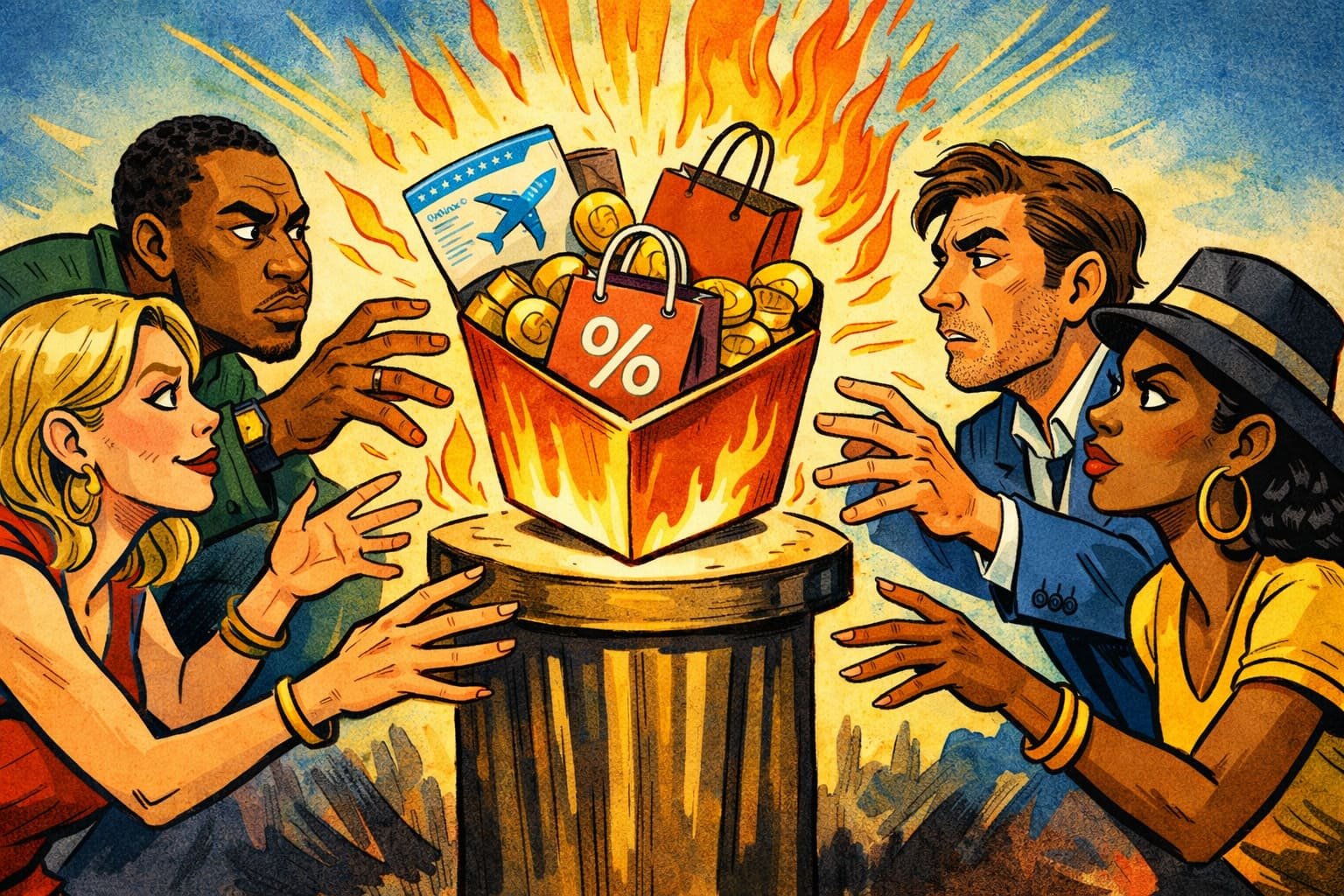
Rain tapped against broad café windows while conversations dissolved into quiet fragments about favorite brands that somehow felt almost human. Nobody at those tables mentioned loyalty programs first. They spoke about memories, tiny gestures, familiar faces, and unexpected moments that lingered long after purchases disappeared from memory. That quiet distinction explains why countless companies attract attention every day yet struggle to earn affection, because repeat business rarely grows from discounts alone and almost always begins with emotional trust.
Many executives still chase customer loyalty as though it were a prize hidden inside reward points or promotional emails. Real loyalty behaves differently. It forms when expectations are met so consistently that uncertainty fades into comfort. Amazon built much of its reputation through dependable delivery rather than dramatic advertising, while Costco cultivated remarkable devotion by making shoppers feel protected from bad value. Each company discovered a simple truth. Reliability creates emotional safety, and emotional safety encourages people to return without questioning alternatives.
An independent bookstore offered another revealing lesson. Clara, who managed a small neighborhood shop, remembered children’s names, recommended novels based on earlier conversations, and tucked handwritten notes inside selected books for returning visitors. Customers often smiled before reaching the checkout because recognition arrived before any transaction. Similar moments explain why Ritz-Carlton employees are trusted to solve guest problems immediately instead of waiting for permission. Empowerment transforms ordinary service into unforgettable hospitality, leaving stories that customers happily retell without being asked.
Consumer psychology suggests loyalty grows through accumulated experiences rather than isolated moments of satisfaction. Every interaction either strengthens confidence or quietly weakens it. A mobile banking startup discovered this after redesigning confusing notifications into plain, reassuring language during stressful account activity. Complaint volumes declined because anxiety disappeared before frustration became anger. That small adjustment mattered more than another expensive advertising campaign. Marketing attracts attention, yet consistent experiences quietly defend relationships against competitors who promise more but understand less.
Curiously, customers often forgive honest mistakes faster than silent indifference. A delayed order accompanied by thoughtful communication feels different from perfect delivery followed by emotional emptiness. LEGO has repeatedly strengthened community loyalty by listening carefully to enthusiasts, inviting passionate builders into product conversations instead of treating them as passive buyers. Those collaborations transformed customers into contributors. Behavioral research reflects the same pattern. People value participation because shared ownership creates attachment that promotional incentives rarely achieve on their own.
Flickering lights above an almost empty railway platform reveal an unexpected truth about human connection. Travelers remember companions who stayed beside them during delays far longer than strangers who appeared only when conditions improved. Businesses face the same quiet test every day. Brands become unforgettable when they remain dependable during ordinary moments, awkward moments, and disappointing moments alike. Ask yourself this before measuring another campaign: would customers miss your company if it vanished tomorrow, or merely replace another convenient transaction?
