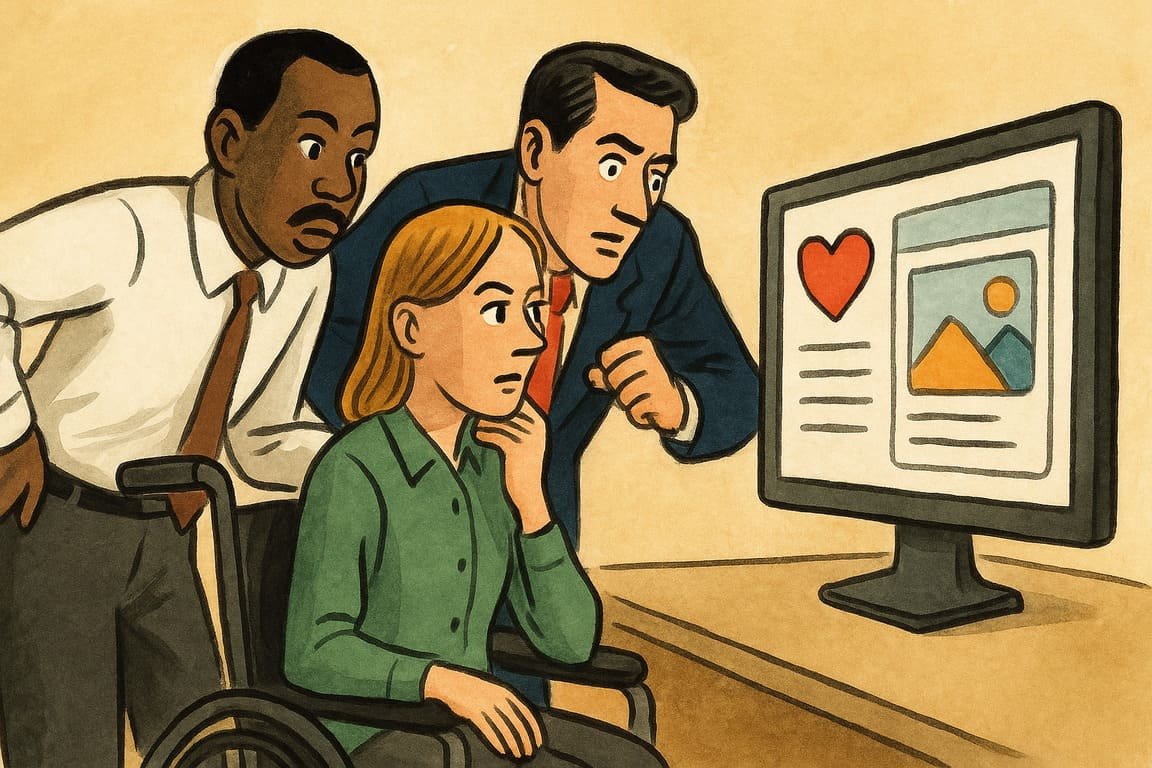
The scene opens inside a sun-drenched co-working studio, where startup founders hunch over prototypes, tracing user journeys with anxious care. Post-it notes carpet the walls—each one a whisper from a customer, a hope, a complaint. Across the glass, a focus group laughs over an app mockup, the air electric with possibility and risk. Every movement is scrutinized, every gesture matters. No detail escapes notice, not even the texture of a button or the arc of a loading animation. The designers watch, breath held, hunting for that rare moment when frustration melts into delight. Here, brands aren’t chasing trends. They’re chasing understanding. In this room, empathy is currency and obsession is the norm.
Human-centered design is a revolution that quietly dismantles arrogance. You can feel its pull every time you use something that just works. The best brands are no longer fixated on flashy features or abstract aesthetics. They want to make you feel seen. You become the protagonist, not the test subject. When a product fits your life like a favorite jacket, that’s not luck—it’s evidence of designers who care more about your story than their own ego.
You know when it happens: the difference between a clunky interface and an invisible one, the app that predicts your next move, the website that feels like home. These moments aren’t accidents. They are the product of relentless curiosity and relentless listening. You might not notice the dozens of failed sketches and dead-end prototypes that came before, but you feel the love in the final result. That’s why you return, again and again.
You want tools that fade into the background. The companies that win your loyalty are the ones who remove friction and celebrate intuition. Think of Airbnb’s frictionless booking flow or the comforting clarity of Headspace’s meditation prompts. These brands obsess over your experience, mining every review, every email, every swipe for clues. They build, break, and rebuild—risking their pride to earn your trust.
Some stories stick: a grocery app that finally lets you add last-minute items with a single tap, or the hearing aid company that spent months shadowing families to understand real-life struggles. These companies turn your daily headaches into their personal mission. When they get it right, your relief is their reward. Their obsession is your advantage.
You’re at the heart of the process. Design isn’t done to you; it’s done for you and with you. User interviews, journey mapping, and live feedback become the fuel for innovation. You become the secret collaborator, nudging the product towards greatness. You see your fingerprints in the changes—smarter defaults, clearer instructions, friendlier copy. It feels like coming home.
Human-centered design is not about coddling users. It’s about honoring their complexity. Brands that excel in this space refuse to stereotype or oversimplify. They accept that frustration is feedback and that every complaint hides a design opportunity. They aren’t satisfied until your experience is not just smooth, but joyful. That pursuit leads to breakthroughs that competitors can only chase from behind.
Real transformation comes from humility. Brands must admit what they don’t know and get close enough to learn. It’s the difference between a bank that bombards you with jargon and one that shows you how to save in three simple steps. When you encounter a product that truly anticipates your needs, you feel respected. Respect breeds loyalty, and loyalty builds empires.
Every win is hard-earned. The process is messy, with dead ends, awkward pivots, and moments of existential doubt. But the rewards are undeniable: viral word-of-mouth, glowing reviews, customers who evangelize on your behalf. The world’s most beloved brands—from Spotify to Slack—owe their cult followings to this relentless empathy. They never stop asking how to serve you better.
In the end, you crave not just efficiency, but connection. You want to feel known, not just processed. The brands that succeed treat you like a partner, not a target. Their obsession becomes your delight, their humility your freedom. When you meet a product built on empathy, you remember it, recommend it, and refuse to settle for less.
As the last rays slip through the studio’s windows, the team reviews user notes, voices echoing into the twilight. A designer lingers, eyes on the wall of feedback, tracing the evolution from problem to promise. Somewhere, a first-time user discovers a feature that makes their day a little easier, unaware that a stranger fought for that tiny joy.
The hum of obsession fades, but the impact lingers. You’ll remember the feeling—a product that knows you, a brand that never stops listening. Will you reward that care, or demand even more from the world you touch?
