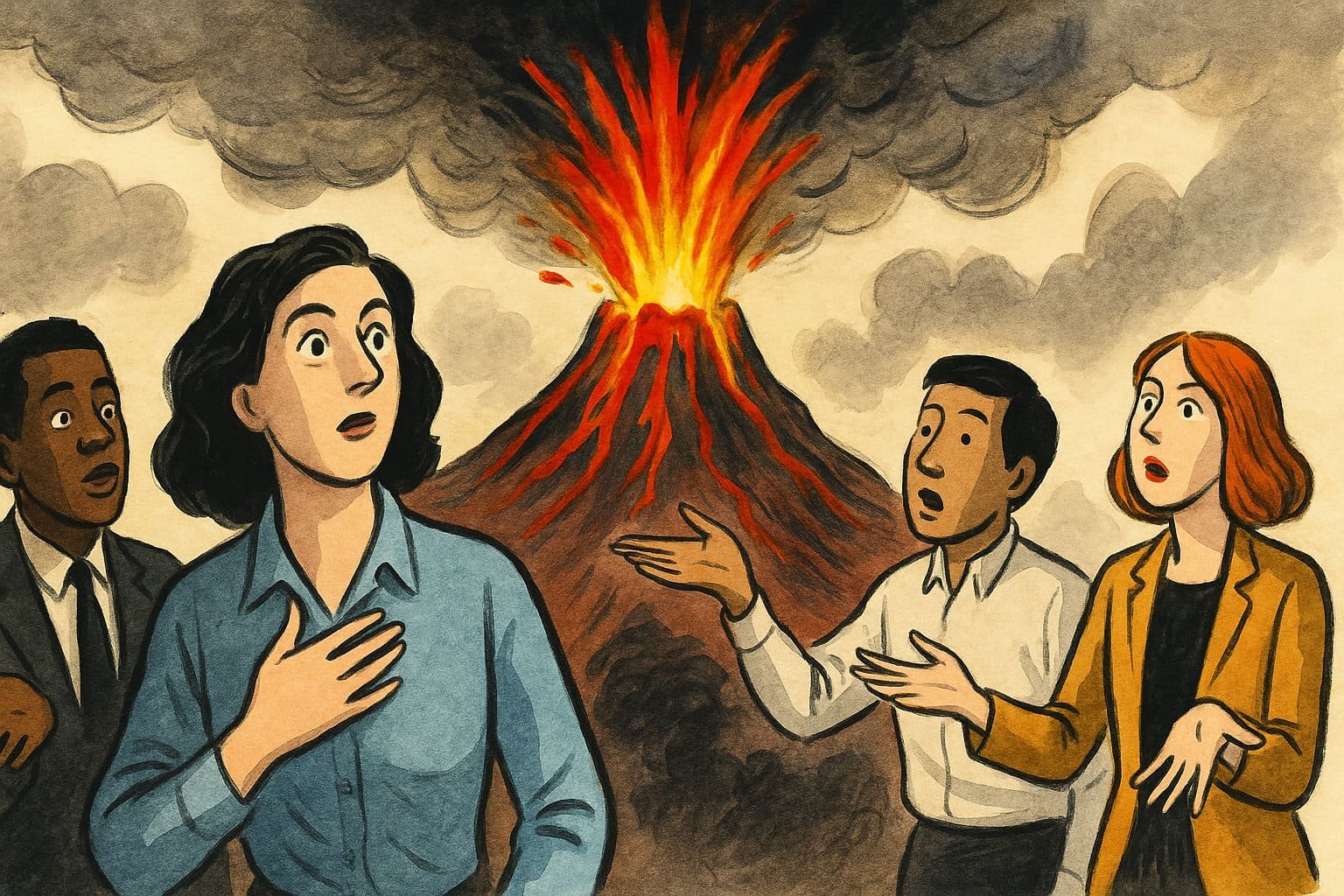
Picture this: you walk into the office, adrenaline humming, coffee in hand, ready to slay the day. You’re surrounded by faces glued to screens, but something’s missing; connection. Meetings drag. Slack notifications ping-pong endlessly. Everyone talks about innovation, yet you feel a strange emptiness, a silent chill behind every forced smile. Deep down, you know your best ideas die in that cold. Now, imagine instead that you feel seen; really seen. Your manager remembers the hellish commute you had. A teammate catches your stressed glance and covers for you. Suddenly, you’re not a cog. You’re a human. That’s the nuclear force of empathy, and it’s the game-changer nobody taught you in business school.
Empathy isn’t just a warm fuzzy buzzword; it’s the undercurrent powering the world’s most unstoppable teams. Strip away the HR lingo, and you’re left with the skill that makes the difference between companies that merely function and those that make magic. In a work world obsessed with productivity hacks and AI upgrades, empathy remains the last unfair advantage. Forget table tennis tables and kombucha on tap. When people feel heard, careers ignite and companies leapfrog competitors. There’s a reason Google’s legendary Project Aristotle named psychological safety; the foundation of empathy; the single biggest driver of high performance.
But here’s the catch: most leaders pay lip service to empathy, while quietly believing it’s a weakness. That’s like trying to win a race with the brakes on. Real empathy isn’t about being soft; it’s about strength, strategy, and unlocking the best in everyone. The irony? Teams with cutthroat cultures burn out, break down, and lose their brightest stars. Teams that master empathy win trust, spark creativity, and bounce back from chaos stronger than ever. Which side are you on?
Consider Anna, a rising star at a global consulting giant. She was ready to quit until her manager did one thing: listened without judgment. Anna’s stress melted, her loyalty soared, and her next pitch landed a $10 million client. Empathy didn’t just save her career; it supercharged the company’s bottom line. That’s the power you’re about to unleash.
Ready for the real blueprint? Get set to shatter every stale HR myth, shake up your workplace, and turn empathy from “soft skill” to superpower. The next sections reveal why empathy isn’t just nice-to-have, but the must-have fuel for modern work. It’s time for an eruption.
Quick Notes
- Empathy Sparks Innovation: Teams that foster empathy unlock creativity, psychological safety, and a bold flow of ideas that competitors can only dream of replicating.
- Real-World Results: Empathetic leaders retain talent, boost engagement, and drive higher profits; not through perks, but through meaningful connection and understanding.
- Empathy in Action: Transforming empathy from talk to daily practice requires specific behaviors; listening, vulnerability, and shared storytelling that reshape company culture.
- Hard Truths and Contrarian Wisdom: True empathy is disruptive, uncomfortable, and requires you to confront your own blind spots. It’s a skill, not a gift, and must be honed.
- The Empathy Playbook: The most powerful teams hardwire empathy into their workflows, using frameworks and micro-habits proven by leading brands, top executives, and cultural icons.
Breaking the Myth: Why Empathy Is the Real Corporate Superpower
Forget what you’ve been told about success. Empathy isn’t just for therapists or “sensitive types”; it’s the rocket fuel behind every legendary workplace, from Pixar’s creative huddles to Airbnb’s customer-obsessed squads. Step into any office where trust thrives, and you’ll see empathy at the root of every breakthrough. This isn’t some HR trend that’ll fade next year. The world’s most resilient, creative, and profitable companies treat empathy as a discipline, not a footnote.
Take Pixar, for example. Their hit films aren’t the result of genius loners; they’re born in story rooms where everyone’s voice is valued, and where candid feedback is wrapped in trust. When team members feel safe to share even their wildest, most vulnerable ideas, brilliance happens. Empathy is what lets a nervous junior animator pitch a twist that becomes Toy Story’s heart. It’s the foundation, not the garnish.
Then there’s the tech unicorn, Atlassian, whose founders openly share their missteps with the team. By admitting mistakes and inviting honest conversations, they built a culture where learning trumps blame. This empathy-first ethos led Atlassian to explode in growth while others imploded under ego and secrecy. The result? A team that solves problems faster and rides out storms stronger.
Contrast that with companies addicted to “brilliant jerk” leaders. Even the sharpest minds can’t thrive in a cold, ruthless environment. Amazon’s much-debated culture famously burned through top talent in its early days until leaders realized that high churn and creative paralysis cost more than any performance boost. The lesson? Empathy isn’t coddling. It’s the difference between short-term gains and lasting greatness.
Let’s not forget customer-facing teams. Southwest Airlines is a living case study of empathy scaling through every level from baggage handlers to the C-suite. When a flight is delayed, it’s not just an inconvenience. Employees show up with jokes, snacks, or even song, turning stress into loyalty. Southwest’s playbook proves empathy is more than a brand slogan; it’s a way of operating that converts every small interaction into a competitive edge.
Still skeptical? Consider Maslow’s Hierarchy of Needs, the old-school psychology pyramid. At the top isn’t money it’s belonging, self-esteem, purpose. Empathy sits at the heart of all three. If your company skips this, you’re not just missing out on feel-good moments; you’re leaving performance, profit, and innovation on the table. The hard truth? Empathy is the last safe bet in an uncertain world.
Anatomy of an Empathy Eruption: How Real Leaders Change the Game
You’ve seen the headlines: “Leaders Must Show Empathy.” Easy to say, much harder to do. The truth? Empathy is an action, not an intention. The best leaders are masters of micro-moments; little, daily gestures that make team members feel understood. That’s how you go from good boss to unforgettable mentor.
Mary Barra, CEO of General Motors, is known for pausing a meeting to ask about an employee’s sick child. That small detour changed the mood instantly, making people feel like more than numbers on a spreadsheet. These are the moments that stick for life. Barra’s style helped GM weather massive recalls and industry chaos. Her empathy turned crisis into cohesion.
On the flip side, Uber’s meteoric rise almost crashed in scandal because leaders ignored emotional pain and toxic behavior. When you neglect empathy, cracks widen until they swallow your whole brand. Only after a major reckoning did Uber begin to rebuild on empathy, humility, and accountability.
Empathy at work isn’t just about checking in or sending birthday wishes. It’s about radical listening. That means hearing what’s not being said. Real leaders create space for vulnerability; a safe zone where teammates can voice doubts, challenge ideas, and grow without fear. Daniel Pink’s “Drive” theory nails it: people crave autonomy, mastery, and purpose, all of which are unlocked through empathetic leadership.
Salesforce CEO Marc Benioff takes it further by fighting for equality both inside and outside his company. His stance isn’t about headlines; it’s about making every employee feel safe to bring their whole self to work. When Salesforce championed equal pay, it was empathy in action. The company didn’t just follow trends they set them by listening to employee voices.
If you want proof empathy isn’t just “nice,” talk to Amazon’s Jeff Bezos. In meetings, Bezos leaves an empty chair, symbolizing the customer’s presence. It’s a ritual that forces the team to empathize with the end-user’s struggles and joys. It’s these small, quirky moves that set great leaders apart. If you’re not putting empathy front and center, you’re playing the wrong game.
From Buzzword to Behavior: Empathy as a Daily Practice
Talk is cheap. Companies love splashing “empathy” across values posters, but culture changes only when empathy becomes a habit. This starts with rituals, routines, and a bias toward action. For example, Shopify’s daily check-ins go beyond status updates. They ask about energy levels, home life, and unspoken stress. Leaders there know that a team’s emotional temperature predicts its ability to innovate under pressure.
One concrete technique: “Active Listening Huddles.” At the start of each week, team members share a challenge while others only listen, offering no advice unless asked. This practice, borrowed from therapy, helps everyone feel heard and supported, defusing conflict before it escalates. The result? Less gossip, more trust, and a culture where problems surface early before they become disasters.
Whole Foods’ “Open Book Management” is another empathy engine. By sharing financials and inviting employee feedback, leaders build ownership and respect. It’s a stark contrast to opaque, command-and-control cultures where secrets and silos breed resentment. When employees feel like insiders, not outsiders, their loyalty and drive skyrocket.
Even small gestures matter. A manager at Nike once sent a handwritten note to a designer struggling after a botched project. That single note changed the designer’s outlook, reigniting their creativity. Moments like these may sound trivial, but in reality, they reshape the entire narrative of a company. Every small act of empathy is a deposit in the emotional bank account of your organization.
Now for the flip side: empathy fatigue. When people try too hard to absorb everyone’s pain, burnout creeps in. Smart organizations set healthy boundaries, provide resources, and teach leaders how to recharge. Empathy isn’t endless martyrdom. It’s a skill, like running or chess, that grows stronger with smart practice and self-care. Make it a ritual, not a random act, and your culture will transform from the inside out.
Empathy’s Disruptive Power: Shattering the Status Quo
Empathy doesn’t just build better workplaces. It breaks old rules and rewrites what’s possible. The most disruptive startups; think Airbnb, Warby Parker, or Lemonade were born from founders who saw problems nobody else cared about. They didn’t start with code or capital. They started with questions: “What if we cared more? What if we actually listened?”
Warby Parker’s co-founders famously set up shop in their apartment, inviting friends to test glasses and give brutal feedback. By absorbing every tiny frustration and hope, they designed not just better eyewear, but a community around it. Customers felt part of the story. This empathy-first approach fueled viral word-of-mouth and shattered the monopoly of legacy brands.
Empathy can spark revolutions inside companies, too. Take Satya Nadella’s turnaround at Microsoft. When Nadella took the helm, Microsoft was rigid, siloed, and stagnating. His first move? Teaching leaders to listen. Nadella’s own son’s struggles with disability shaped his leadership. He made empathy a core value, using his personal story to open the door for others to be vulnerable. The transformation? Microsoft pivoted, innovated, and reclaimed its spot as a tech giant.
Think about Patagonia, the outdoor brand known for radical transparency and activism. Its founder, Yvon Chouinard, flipped the script on corporate priorities by putting environmental empathy before profits. That bold empathy for the planet, for customers, for employees became a marketing engine. Fans turned into evangelists, and competitors could only scramble to keep up.
Empathy is also the antidote to groupthink. The late Tony Hsieh of Zappos built a legendary culture by celebrating weirdness and embracing everyone’s quirks. Teams who dare to break from conformity, who allow real emotion and difference, don’t just innovate; they thrive under pressure. These companies aren’t following the playbook. They’re rewriting it.
Finally, empathy disrupts not just businesses but entire industries. When Blockbuster laughed off Netflix’s customer obsession, it sealed its fate. The lesson: in a world that changes overnight, only those who deeply understand and care for people’s needs will survive. Empathy isn’t just the key to happier teams. It’s the ultimate weapon for outsmarting disruption.
The Empathy Playbook: How to Hardwire Empathy Into Every Workflow
The million-dollar question: how do you make empathy stick when the deadlines pile up and stress runs high? It starts with intention, but demands structure. Empathy must be built into the bones of your business from onboarding to performance reviews, from team meetings to product launches. Every touchpoint is a chance to build or break trust.
Start with “Story Circles.” Pixar uses this ritual before every new film, where creators share personal stories unrelated to work. It forges bonds that power through inevitable creative conflicts. You don’t need to make movies to steal this idea. Any team can open meetings with a quick “human check-in,” asking about weekend highs and lows. Suddenly, you’re not just colleagues, but allies.
Next, rethink feedback. Dropbox managers use “feedforward” focusing not on past mistakes but on future growth. This subtle shift makes feedback feel like an investment, not an attack. Team members become more willing to speak up, take risks, and own their work. Empathy means seeing potential, not just problems.
Amazon’s “Bar Raiser” program pairs new hires with culture ambassadors who help them navigate unwritten rules and find their voice. This structured buddy system dissolves silos and fast-tracks belonging. Empathy isn’t an accident. It’s an engineered experience, one that can be replicated at any scale.
Looking for accountability? Buffer, the remote work darling, makes radical transparency and public gratitude central to its workflow. Employees share wins, losses, and learning moments on open channels. Gratitude isn’t just polite; it’s strategic. Teams that celebrate each other’s effort build resilience, even when apart. Empathy, in this sense, is both a daily discipline and a strategic lever.
Here’s your challenge: Build your own empathy playbook. Identify the moments in your team’s journey where people feel ignored or excluded, then reimagine those moments as opportunities for connection. Pilot one ritual. Track the results. Make empathy visible and measurable. The future isn’t about the strongest or the smartest. It belongs to the most empathetic.
The Empathy Eruption Is Now: And You Hold the Match
Pause and imagine a world where empathy erupts across every workplace. Where the manager who once ignored your struggles now stands in your corner. Where every meeting feels like a gathering of real people, not robots. Where leaders don’t just “hear,” but truly understand. That’s not a distant dream. It’s the next evolution of work and you can lead it.
The truth is, empathy doesn’t just create kinder offices. It unleashes the fiercest kind of power; the power to spark innovation, win loyalty, and shatter ceilings that hold teams back. Empathy isn’t a side quest. It’s the main event. Ignore it, and your career, your company, and your legacy will fade into the noise. But lean in, and you’ll turn every moment into a chance for growth, connection, and greatness.
Anna’s story isn’t rare it’s a mirror of what happens every day when someone decides to listen, to care, to act. The empathy eruption is already reshaping the world’s most successful companies. You can sit on the sidelines and watch or you can be the one who strikes the match.
So, what’s your move? Will you play it safe, keep your distance, and hope for the best? Or will you risk a little vulnerability, step closer, and unleash the power that will make you and everyone around you unstoppable? The world needs your empathy now more than ever. The only question is: will you answer the call?
