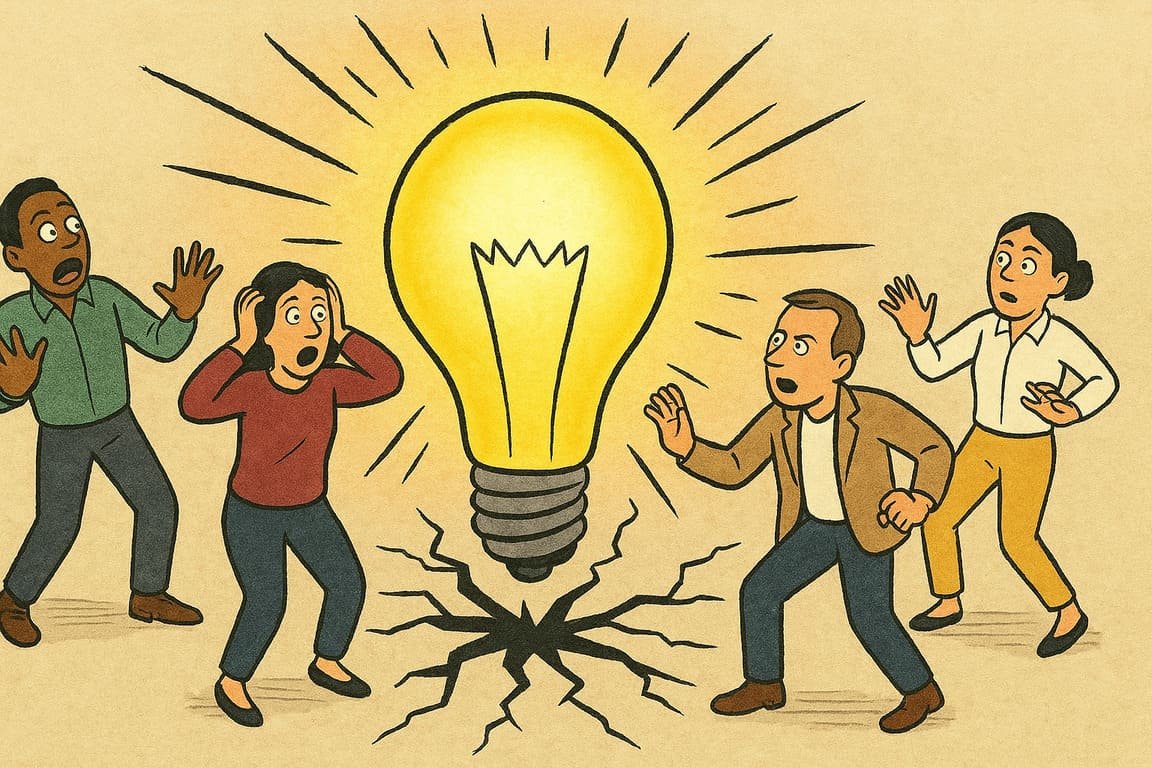
The air in the warehouse feels electric—alive with the hum of late-night ideas and the scattered glow of laptops among packing crates. Once a silent relic of the city’s past, the space now hosts renegades: designers, coders, strategists, and dreamers, all drawn by the same unspoken hunger. A whiteboard, smeared with frantic marker lines, stands in for a battle flag. Every conversation carries a sense of urgency, as if the industry outside will shift while they sip their coffee. The design world never announces revolution with a drumroll. It arrives quietly, in moments when nobody expects, when change swells from the edges and topples everything that came before.
Those who lived through the last great shift remember how unremarkable it felt in real time. At first, responsive design was dismissed as a niche for hobbyists. Mobile-first seemed laughable, until overnight it wasn’t. Adobe Flash, once untouchable, blinked out of existence. Great upheavals rarely feel like revolutions at the start—they’re a nudge, a rumor, a hackathon win that snowballs into dogma. The only warning: a quiet sense that something fundamental has changed, and only the nimblest will thrive.
You can sense the tremors under your feet today. Old hierarchies lose power as open-source platforms democratize the playing field. Collaboration tools erase geography, letting teams in Nairobi and New York create as one. AI sketch tools rewrite the rules: what took hours now happens in seconds. Each new breakthrough renders the old guard’s playbook obsolete, sometimes before anyone can react.
Every revolution starts with a single rebel. A startup launches a design system so intuitive that whole agencies pivot to copy its patterns. Two art students livestream a project on TikTok, sparking a global trend before agencies even notice. In every case, the disruptors are overlooked at first—outsiders whose refusal to play by the rules opens new doors for everyone else.
Legacy brands scramble to keep pace. You watch as industry titans desperately hire young talent, not to teach them, but to absorb the new gospel before they become irrelevant. The greatest threat to any established company is the refusal to admit when the ground has shifted. Kodak laughed off digital. Blockbuster dismissed streaming. The history of design is littered with the bones of those who underestimated what was coming.
You are not immune to these waves. Maybe you remember a moment when your team’s “proven process” suddenly felt stale, your carefully crafted interface upstaged by a competitor’s surprise launch. The pain of playing catch-up is real—especially when the rules change mid-game and only the curious survive. Those who cling to best practices as law become relics, while those who question and remix thrive.
Design revolutions are not only about new tools or tech. They change mindsets. Inclusion, accessibility, and sustainability—once seen as checkboxes—become table stakes. You see this when a global sportswear giant’s sales skyrocket after rolling out adaptive designs, or when a fintech upstart’s diverse team launches a product that feels universal. The new revolutions don’t just reshape interfaces—they redefine who gets to build and who gets to belong.
The culture of design shifts, too. The lone genius gives way to the collective. Open Figma files are passed around like folk songs, remixable and communal. Feedback comes from strangers, not managers. The audience itself becomes the co-designer, voting with downloads and comments, reshaping the final product with every click. Influence is no longer top-down—it’s viral, messy, and electric.
Storytelling explodes as the new lingua franca. A sharp narrative in a portfolio can now eclipse a resume. Brands lean into authenticity and play, eager to find the next meme before it turns on them. The wall between designer and user shatters as everyone competes for a moment of genuine connection. The line between work and play dissolves. When creativity becomes a movement, industry boundaries simply dissolve.
Not every revolution is gentle. Resistance swells from those who fear losing control. Gatekeepers double down on old hierarchies, awarding prestige to the familiar while ignoring the wild new talent surging online. Yet the flood never stops at the gates. Like water, revolutions seep through every crack, changing the landscape until what seemed permanent is swept away.
You may think you can sit out the turbulence, but that is the greatest risk of all. To ride the wave, you must be willing to get wet—to experiment, to fail, to build alongside unlikely partners. Every new project is a test: adapt or vanish. The reward for boldness is belonging to the next chapter, where no one can predict what comes next.
At dawn, the warehouse echoes with footsteps and laughter, the last flickers of rebellion fading into the city’s rush. Something irreversible hangs in the air, the promise of possibility carved into every marker stain and half-finished prototype. This is how the industry changes: without permission, without warning, without waiting for anyone to catch up.
The revolution always finds those brave enough to answer its call. Will you step into the epicenter and shape the future, or will you watch from a safe distance, hoping the aftershock misses you? The moment is yours—if you dare.
