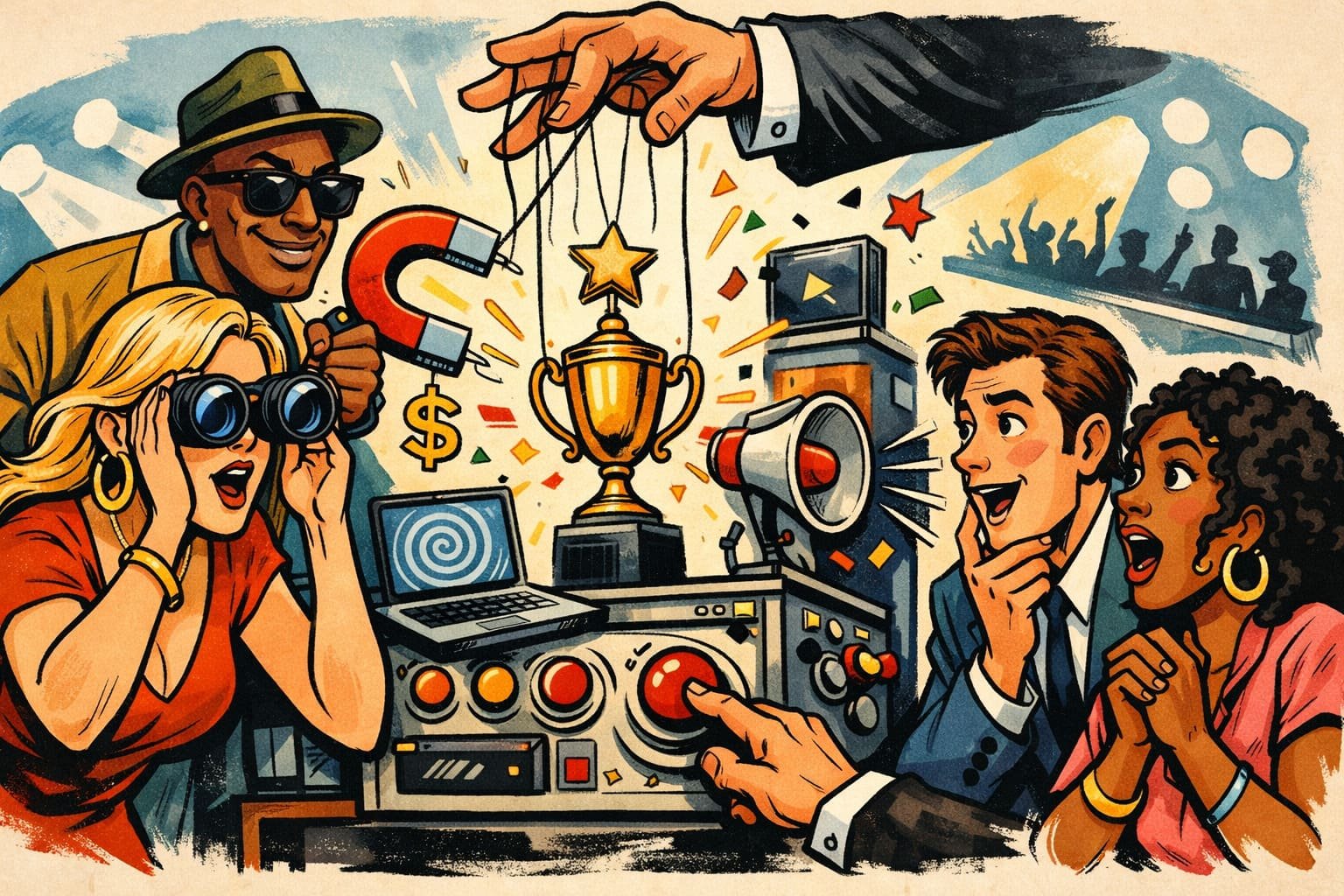
Spotlights swept across a crowded auditorium while applause landed before anyone fully understood what had just happened. That strange sequence explains modern marketing better than most strategy textbooks. Attention often arrives first, understanding follows later, and memory decides everything after the curtain falls. Brands that consistently win rarely cast spells. They simply understand how human perception quietly edits reality long before logic gets permission to speak.
Marketing often rewards whoever frames the story before competitors begin explaining theirs. Disney has perfected this craft for generations by selling anticipation long before audiences enter a theater. Product announcements become cultural events because expectation is carefully choreographed from the very beginning. Liquid Death followed a radically different script. Selling ordinary water through rebellious branding sounded absurd until millions embraced the joke, proving attention frequently belongs to ideas that break comfortable patterns rather than imitate familiar formulas.
Rina operated a small handmade candle business in a city overflowing with similar shops. Beautiful photographs earned polite compliments but very few purchases. One afternoon she replaced polished product shots with short videos showing wax cracking gently after cooling, accompanied by stories about the memories behind every fragrance. Customers lingered longer. Conversations multiplied. Orders followed because people stopped buying candles and started collecting emotions wrapped inside glass jars.
That transformation mirrors a broader truth hiding inside successful campaigns. Marketing does not merely compete against rival companies. It competes against overflowing inboxes, endless notifications, breaking news, streaming platforms, and distracted minds already carrying too much. Spotify understood this reality with its annual Wrapped campaign. Personal listening habits became stories people proudly shared with friends, turning customers into enthusiastic marketers without feeling manipulated. Attention expanded because participation felt rewarding rather than promotional.
Behavioral science explains why novelty creates powerful openings while familiarity sustains lasting relationships. A surprising headline captures curiosity, but meaningful experiences keep people returning after excitement fades. Seth Godin has long argued that remarkable products spread because people enjoy talking about them. Remarkability is not theatrical excess. It is memorable usefulness delivered with unmistakable personality. Every successful growth system quietly balances surprise with consistency, ensuring curiosity becomes trust instead of disappointment.
Faint echoes linger inside empty exhibition halls after visitors disappear, yet a single unforgettable demonstration often remains vivid years later. Marketing works much the same way. Campaigns fade, budgets expire, trends collapse, but stories that reshape perception continue traveling from person to person without purchasing another advertisement. Real magic has never belonged to clever slogans or expensive media plans. Ask yourself one difficult question: when people remember your brand tomorrow, what story will they still be telling?
