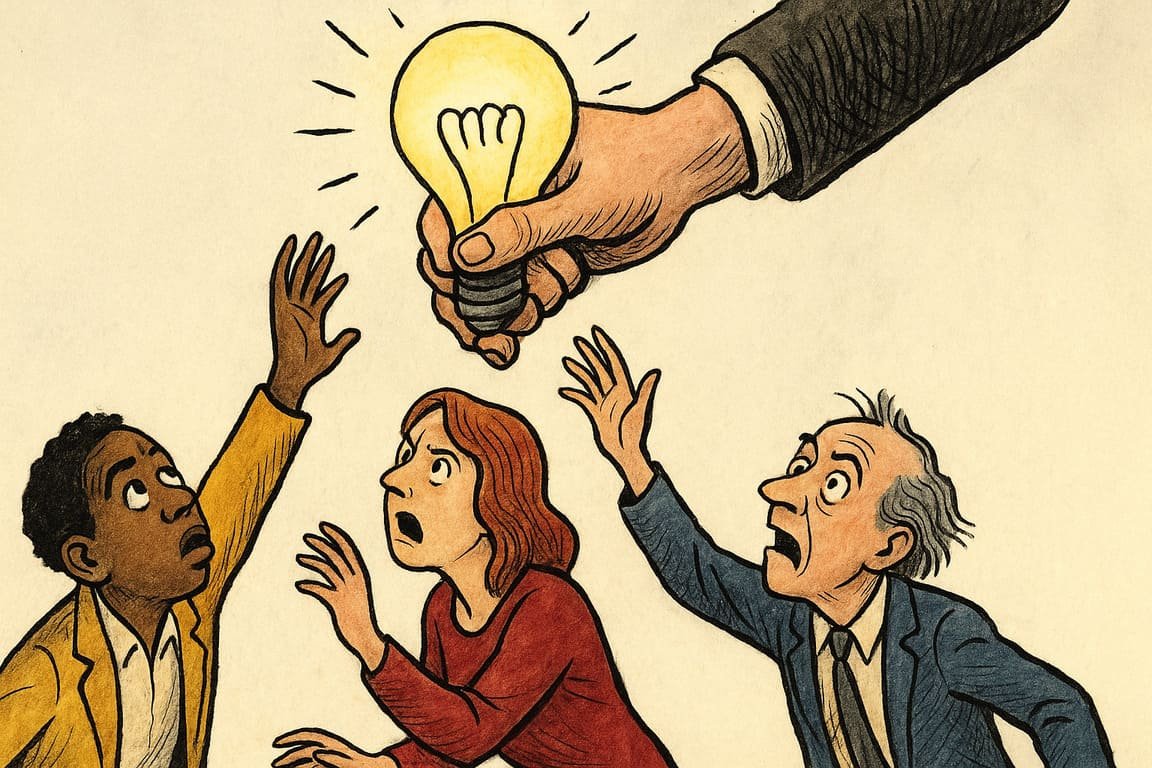
Spotlights burn overhead in a glass-walled lab perched above a sleepless metropolis, where night owls in lab coats scribble frantic notes while servers whir and lights flicker like distant constellations. Here, in this pressure-cooker of ideas, a tangled web of post-its creeps across a whiteboard—each scribble a possible breakthrough, or the next dead end. The scene is not calm or orderly, but it’s alive, crackling with the tension of minds battling uncertainty. In this crucible, the secret language of research design is spoken in the margins: subtle, coded, fiercely guarded by those who understand the difference between wild guessing and revelation.
Every legendary study—whether it’s a moonshot in genetic editing or a simple consumer survey—starts with one thing: structure. It’s easy to imagine discovery as wild luck or creative chaos, but the truth is more demanding. When Ava Misra, an epidemiologist in Lagos, set out to decode the spread of a new fever, her first instinct was to trust her gut. It wasn’t enough. The initial results confused even her own team. Only after weeks of refining her research design—tightening control groups, redefining variables, and braving the scrutiny of peer review—did the patterns emerge clear as sunrise.
If you want your work to matter, you have to become obsessed with the blueprint. Great design means asking the right question and refusing to settle for half-answers. You know the feeling—when a project clicks into place and you finally see the path forward. This is what separates seasoned pros from hopeful amateurs: the discipline to resist shortcuts and to build something solid from the ground up. Anyone can ask a question. Only a true researcher knows how to make the answer count.
You can’t build anything lasting on wishful thinking. Every research journey is a wrestling match with your own assumptions. You start with a hypothesis, but if your methods are shaky, your results will sink before they reach open water. Take the story of an automotive safety engineer, Carlos Medina, whose first crash-test analysis nearly collapsed because he ignored a key variable. A late-night coffee run and a second look saved the project—he’d missed a pattern hiding in the test data. Once he revised the design, his findings rocked the industry.
Research design thrives on constraint. It’s the paradox of creative limitation: the tighter your framework, the wilder your discoveries. When resources run thin and time grows short, you learn to focus on what matters. It’s the difference between collecting a thousand data points for show, or the right ten that actually reveal the truth. The real magic happens not in endless gathering, but in ruthless refinement.
You can spot a master researcher by how they handle setbacks. Poor design shows up as ambiguity, conflicting results, or the infamous “more research is needed” cop-out. The best teams treat each flaw as a signal—a chance to sharpen their tools. A junior researcher named Priya Patel once turned a near-disaster into a triumph after her pilot study bombed. Instead of hiding the failure, she rebuilt her survey from scratch, listening to the fieldworkers who spotted the real-world disconnect. Her honesty and precision landed her not just a publication, but a reputation for fearless rigor.
Collaboration amplifies every design. The lone-wolf myth is overrated. Real progress is messy, loud, and deeply social. In the race to crack the COVID-19 vaccine, global research teams tore down walls between universities and biotech firms, trading protocols and raw data in real time. The power came not from secrecy, but from transparency and open critique. Each researcher brought a piece of the puzzle, but only together could they see the bigger picture.
Design is not just technical. It’s philosophical. Every choice—what to measure, what to ignore, who to include—carries a hidden worldview. When a city’s public transit study leaves out wheelchair users, or an education trial overlooks non-English speakers, the results are built on sand. The responsibility is heavy: a good design not only answers questions, but does so in a way that is just, inclusive, and built to last.
Trust grows with rigor. When peers, policymakers, or investors see a study designed with precision, their confidence soars. It’s how a simple social experiment in rural Bangladesh convinced a global bank to rethink its lending practices, just because the study tracked every variable with care and integrity. People want to believe in research, but only when it holds up to the harshest scrutiny.
If you’re chasing glory, research design will humble you. There are no shortcuts to trust. The long path of drafting, pilot-testing, revising, and validating is what protects discoveries from being swept away by hype or bias. Every setback sharpens your edge. Each revision builds your credibility. Real influence, the kind that outlasts trends, is earned in the trenches.
Technology keeps rewriting the rules, but the fundamentals never change. Whether you’re coding simulations on quantum computers or running field interviews in a rainforest, the logic of a strong design remains the same. Clarity, honesty, and relentless curiosity win every time. The best designs don’t hide their limits—they highlight them, inviting others to push further and dream bigger.
Your journey through research design will be exhausting, exhilarating, and humbling. The best moments come when you realize that even your failures have value, and that the blueprint itself is always evolving. If you crave the feeling of a puzzle clicking into place, you’re in the right pursuit.
As the sun rises, casting long shadows across the lab’s scratched floor, the whiteboard’s tangled sketches look less like chaos and more like a map. In the quiet, a researcher lingers, fingertips brushing the cold glass, contemplating what’s yet to be built. The city outside begins to pulse with noise and promise, but within these walls, the secrets of great design remain—waiting for the next restless mind to listen, question, and rebuild.
There’s only one blueprint that truly matters: the one you’re bold enough to revise.
