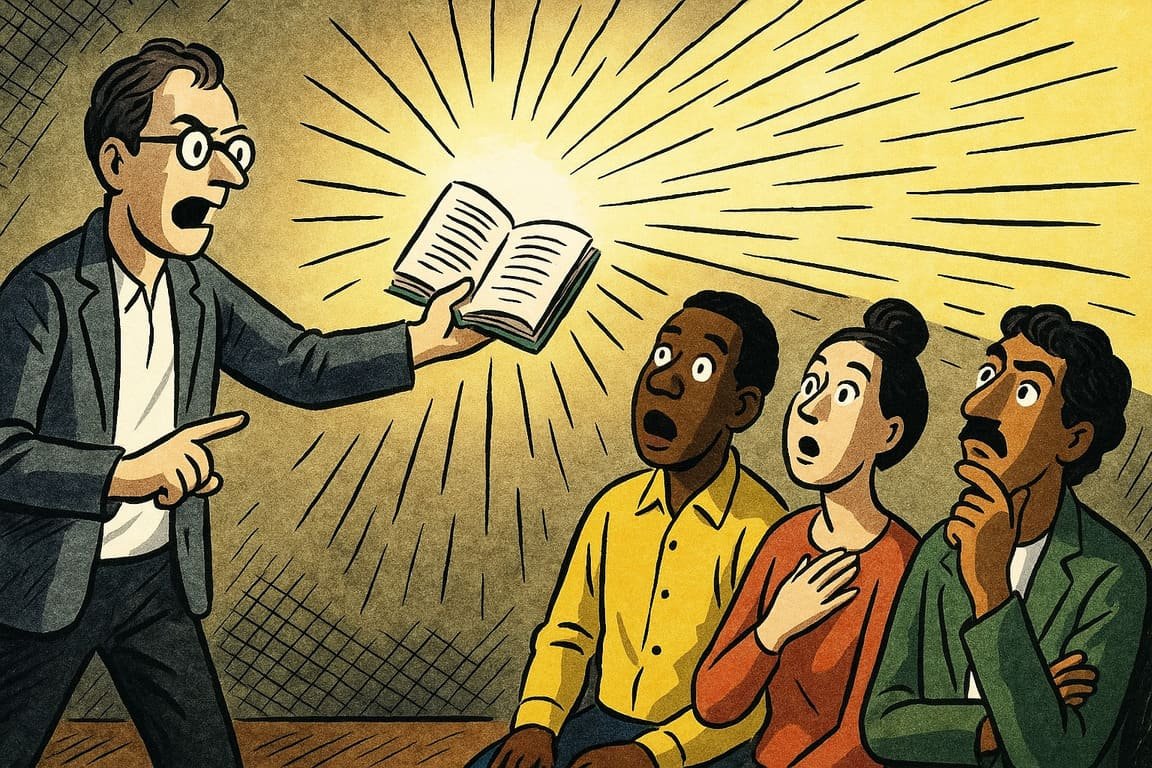
A heavy wooden door creaks open in the hush before dawn, revealing a room lined with glowing monitors and tangled wires. The floor is scuffed, the air thick with anticipation, as a group of restless minds gather around a single worn notebook. Each page bristles with user maps, sketches, moments of digital frustration and delight. In this unlikely war room, designers study the raw evidence of real human lives, hunting for patterns in chaos. It’s not the fanciest studio, but it’s where the future of user experience is rewritten. Here, success isn’t measured by awards or analytics, but by a quiet metric: how many users whisper “finally” after each encounter.
Across the city, a startup founder wakes to the sound of their own heartbeat, rehearsing the day’s demo. Investors don’t want slides—they want the feeling of friction dissolving. They want to see an app that anyone can navigate, even half asleep. In a world drowning in digital overwhelm, the rarest luxury is flow. And in this competition, the edge goes to those who understand the soul of UX: less friction, more freedom.
A midnight coder in Lagos, working for a ride-share app, obsessively tracks where users hesitate, stumble, and abandon. She emails her team, “The journey ends at confusion.” They redesign their flow, trimming steps and softening sharp edges. Weeks later, riders tweet that pickups “just work.” That’s the kind of viral loyalty that advertising money can’t buy. It’s the kind born from putting users at the heart of every decision, from first click to final smile.
You recognize great UX the instant you touch it. It feels like home, like a path you didn’t know you needed but now can’t imagine living without. Think about the time you found a new streaming service, expecting to fumble through complicated menus. Instead, you breezed from signup to the perfect show in seconds. It was as if someone had watched over your shoulder, then built the interface just for you. That’s design that understands desire, not just logic.
A design team at an online bank once traced every customer complaint back to a single moment: the “Where’s my money?” panic. Their breakthrough came not from a new feature, but from removing six screens between login and transaction. Trust surged, social buzz exploded, and a brand was reborn. The story? UX isn’t an afterthought—it’s the lifeblood of every lasting digital relationship.
Now, you’re probably thinking about your own daily tools. The ones you curse for hiding basic actions or forcing endless confirmations. Those are products designed by committee, not by empathy. Every tap and scroll that feels like a chore is a missed opportunity. The best teams, like Shopify’s core product group, devote hours to shadowing real users. They ask, “What’s in the way?” and cut until only clarity remains. Shopify’s success comes not from features, but from relentless devotion to frictionless journeys.
You’ll see this devotion in the most unlikely places. The city transit app that finds your location before you ask. The doctor’s portal that greets you by name and shows your appointments, no hunting required. Or the meditation app that knows when your mood has shifted, offering calm without a word. Every micro-moment has been fought for by people who care more about your experience than their ego.
A fictional founder, Jordan Moyo, built a cult following for his language-learning app by giving users a single button: “Speak.” He tells his team, “Remove anything that gets in the way of courage.” His reviews fill up with stories of users trying a new language with a trembling finger, shocked at how quickly anxiety melts into progress. Jordan’s secret? UX is never about the product. It’s about the person transformed.
The philosophy behind modern UX draws from psychology, sociology, and even street-level observation. Designers borrow from behavioral economics to nudge, reward, and empower users. They draw on cognitive science to anticipate decision fatigue, using shortcuts, color, and space to reduce overwhelm. And when in doubt, they listen—not to the loudest customers, but to the quietest complaints. That’s where breakthroughs happen.
Theoretical frameworks like Don Norman’s User-Centered Design, the Fogg Behavior Model, and Nudge Theory all play a role in this invisible revolution. Yet the greatest insight comes from the field: watching a grandmother sign up for a vaccine, or a teen editing their first video. In those moments, all the theory in the world shrinks beside the power of empathy and observation.
Today’s best UX guides are part therapist, part engineer, part artist. They translate complexity into comfort, fear into trust, and frustration into flow. That’s why leading companies now treat UX as strategy, not decoration. Airbnb’s Head of Design, Alex Schleifer, famously said, “Design is the DNA of the company, not the skin.” His teams are empowered to kill features, reroute projects, and veto marketing—so long as the user wins.
What sets world-class UX apart isn’t just polish or beauty, but the courage to change course. The designer who deletes a cherished feature because users ignore it. The manager who challenges the board to invest more in usability testing than in ads. The startup founder who responds to each bug report with genuine curiosity. Every step taken in service of the user is a step toward loyalty that survives any storm.
The secret, once unleashed, is simple yet radical: Success follows the path of least resistance. Every obstacle removed is a customer earned for life. In a world obsessed with growth hacks, viral loops, and acquisition costs, the best-kept secret is this: Make people’s lives easier, and they’ll build your brand for you.
A taxi cruises beneath a city’s midnight glow, driver humming to a playlist assembled by an app that feels like a mind reader. Passengers marvel at how easily the payment vanishes, how their favorite stops appear without a tap. In the back seat, a product manager grins quietly, remembering the messy meetings, the tough choices, the nights spent fighting for simplicity. Tonight, the city moves without friction.
Far away, a grandmother shares a video call with her family, unafraid, unhurried. The technology that once terrified her now feels like a gentle companion, guiding her with silent reassurance. The real success is measured not in downloads, but in confidence restored.
You’re part of this revolution, whether you build, use, or demand better experiences. The path forward asks one simple question: Are you brave enough to remove what stands in the way, and unleash a design success that feels like home?
