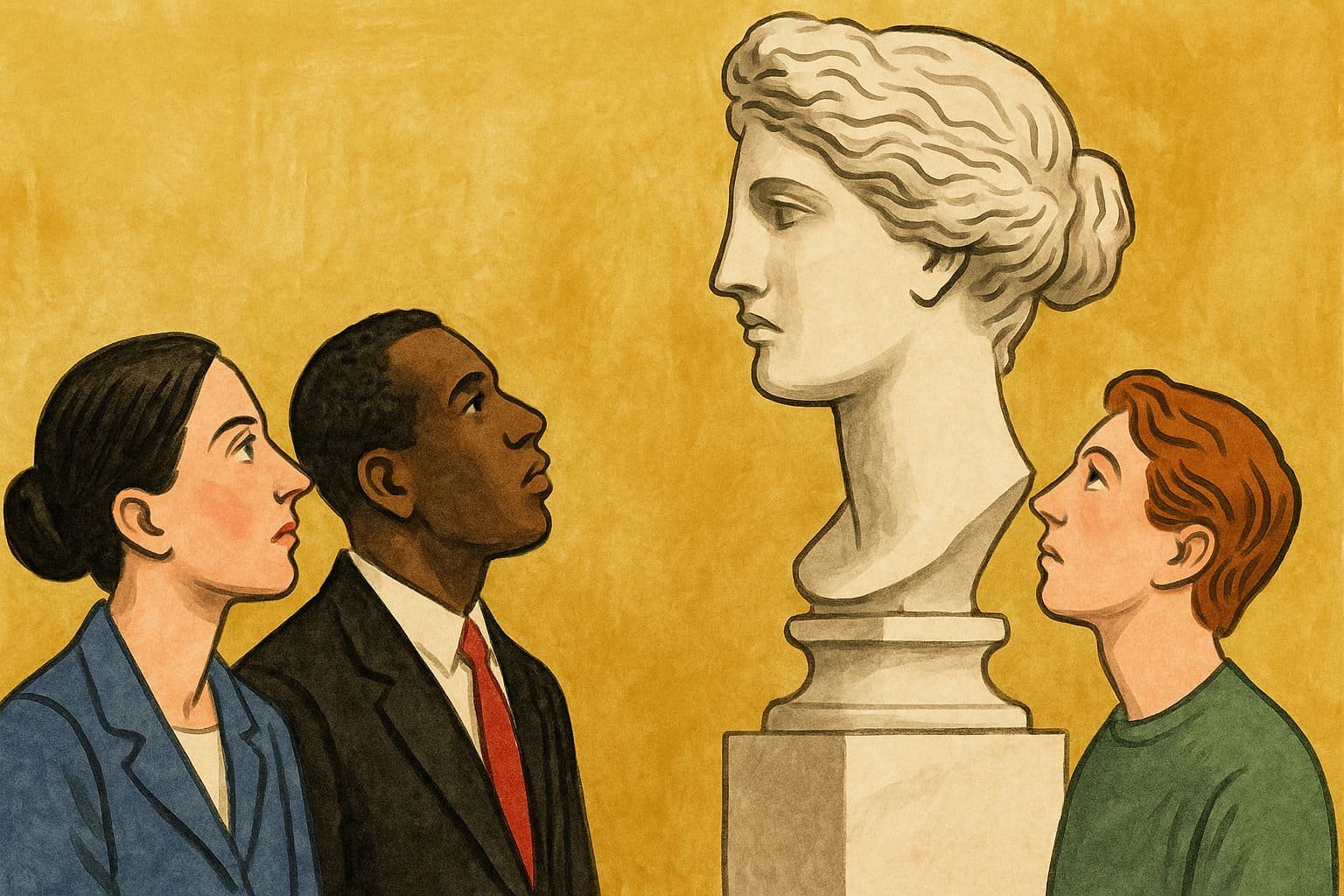
The lobby was a shrine of polished concrete and quiet tension, where the echo of designer heels cut through the early hush like the opening scene of a psychological thriller. Beneath the gloss, executives waited, nervously adjusting jackets, hoping their startup’s new logo could whisper ambition louder than a boardroom of words. Overhead, a wall-sized digital mural flickered, displaying data streams as rivers of neon color—a business cathedral built not from faith, but from visual seduction. A lone founder traced the edge of a velvet chair, palms damp, realizing that in a world obsessed with scale, sometimes it’s the curve of a chair or the saturation of a brand’s palette that decides who gets funded, who gets left behind, and who simply vanishes. Every inch of the room hummed with a single, universal truth: design isn’t just how things look. Design is how destiny is chosen.
Across town, in a shadowy corner cafe pulsing with indie music, a group of app developers swapped ghost stories—tales of products that died on launch day because users hated the color scheme or the tap targets missed their anxious thumbs. “We built an AI to help people sleep better,” whispered one, her eyes rimmed with hope and caffeine. “But the interface felt cold. Nobody could rest.” The others nodded, sharing an unspoken secret: features fade. Aesthetics linger. The invisible handshake of beauty and function writes the future.
Meanwhile, a marketing director scrolled through social feeds, scrolling past ad after ad, stopping only for the ones that broke the fourth wall. A campaign with a single haunting image—a worn sneaker by the sea—stole a moment, asking for nothing, promising everything. That sneaker went viral. The product behind it sold out in hours. The competitor’s pitch-perfect copy, forgotten by lunchtime, floated away like confetti after a failed parade. Somewhere, a global brand manager added a note to a strategy deck: “Never underestimate the power of gorgeous silence.”
The architects of modern business know this well. Apple, Airbnb, even the elusive Banksy, play with the DNA of desire, embedding philosophy in pixels and concrete. Every shape is a wager, every color a bet on human longing. The stage isn’t just set; it’s designed. Even the exit doors are sculpted, so leaving feels like a decision, not an escape.
The world will never see the same thing twice. That’s the greatest twist: design doesn’t repeat, it evolves—taking society, culture, and enterprise along for the ride. In this labyrinth, only those who master the art of aesthetics will write their name into tomorrow’s myth. The rest, like unsaved drafts, disappear.
Quick Notes
- Design Picks Winners: Look around. The brands you trust most have style that hits your emotions before your logic. That’s not luck, that’s strategy.
- Beauty Isn’t Vain, It’s Survival: Ugly products die fast, beautiful ones get shared—even if they’re flawed. Your first impression isn’t a greeting, it’s a decision.
- Function Is Not Enough: Even the smartest tools get ignored if they feel clunky. Apple’s not just about technology, it’s about turning glass and metal into lust.
- Culture Is a Canvas: The way cities, homes, and gadgets look changes how people act, vote, and buy. Design shapes behaviors, dreams, and revolutions.
- Your Future Is Designed: Ignore aesthetics, and your destiny will be a footnote. Embrace it, and you become unforgettable.
The Aesthetic Trap—Why Looks Are Destiny’s Chisel
The business world is littered with the bones of great ideas executed in ugly wrapping. Take the case of Pebble, the smartwatch darling that fizzled out. It was smart, it was early, but when Apple Watch landed with smooth curves and elegant faces, Pebble suddenly felt like a relic. In the end, nobody wants to wear a bad vibe on their wrist.
Aesthetics are more than a surface game. They are the silent logic that guides instinct, pulling users to a product or sending them sprinting away. When Airbnb’s founders couldn’t get traction, they didn’t build new features. They hired a photographer to make listings beautiful. Suddenly, bookings soared. That wasn’t luck; it was an aesthetic intervention.
Every founder dreams of viral magic. Yet, the magic often lives not in code, but in color. When Notion, the note-taking app, redesigned with playful icons and soft shades, it became a cult favorite overnight. Users gushed about the “feel” before they ever mentioned functions. Design seduced them before utility kept them.
Society itself is a gallery of hidden design bets. The way subway stations are lit, the curve of a coffee cup, the flow of a website—each shapes human mood, risk-taking, even kindness. In Japan, designers shaped train stations with soft lighting and calming colors to lower stress. The result? Happier commuters, fewer fights.
Ask any venture capitalist, and they’ll quietly admit: ugly is a risk factor. Design doesn’t guarantee success, but the lack of it almost guarantees failure. As Sarah Doody, a UX designer who worked on legendary Silicon Valley projects, puts it, “People forgive a buggy feature if the product feels beautiful. But they won’t even try an ugly tool.”
The Unseen Code—How Beauty Programs Behavior
You probably think you make decisions logically. The truth: design hacks your brain long before your reasoning catches up. Steve Jobs didn’t bet Apple’s future on technology alone—he obsessed over packaging, lighting, and the click of a mouse. That’s not vanity. That’s neuroscience.
Design cues—colors, shapes, even empty space—change how you feel, buy, and trust. Researchers call it “affective priming,” but you feel it every day. Ever wonder why Instagram filters are warm and inviting? It’s not just aesthetics, it’s an algorithmic seduction. Warm colors lower resistance, making you scroll, like, and buy.
This isn’t theory. A small bakery in Copenhagen, Bageriet, saw sales double after switching to rustic wood tables and hand-drawn chalk menus. “Our pastries didn’t change,” their owner Mikkel said. “But people stayed longer and spent more. They felt something.” That feeling, designed on purpose, paid the bills.
Design shapes societies, too. Cities with green spaces and bold murals report higher happiness and civic pride. The trick is simple: beautiful spaces make people feel seen and respected. That’s why the world’s best hotels spend a fortune on flowers, light, and scent. They’re not just selling beds—they’re selling belonging.
So next time you think, “That doesn’t matter, people only care about price,” remember: you are wired to trust what feels right. Design is destiny’s shortcut. Ignore it, and you’ll chase your audience forever. Embrace it, and your brand becomes home.
Culture Hacked—When Design Moves Societies
Design is the original influencer, shaping movements and rewriting history in silence. Think of the Berlin Wall: gray, harsh, and soul-crushing. When artists covered it in color, people gathered, shared stories, and began to dream of change. The wall didn’t fall because of politics alone. It fell because aesthetics made resistance beautiful.
Every revolution wears a look. The Black Panther movement had iconic jackets and graphic posters. Climate marches, from Stockholm to Sydney, use bold symbols and viral visuals that move faster than manifestos ever could. Design distills big ideas into instant action.
Startups have learned this lesson the hard way. Robinhood, the investing app, attracted millions by making finance feel playful. Its minimalist screens and soft color palette made risky trades feel safe—even friendly. Critics pounced, but the truth is simple: the design democratized access. Critics didn’t change the market. Design did.
Cultural transformation isn’t accidental. Netflix, with its sleek red logo and endless scroll, turned binge-watching into a badge of pride. The design made guilt disappear and pleasure visible. Airbnb did the same for travel, inviting users into worlds with a single, artfully shot photo. Suddenly, strangers felt like friends, and homes felt like adventure.
Inside every movement, there’s a designer at the drawing board, turning rebellion into ritual. The message is always the same: change looks good. If you want to lead a movement, start with your colors.
Business Unusual—Why Design Is the Real Unicorn
The world’s fastest-growing companies share a secret: they treat design as the main event, not the after-party. Stripe made payments beautiful, transforming online checkouts from dreaded chores into joyful, frictionless moments. It wasn’t just a software upgrade; it was a redesign of capitalism’s interface.
Design is the ultimate leverage. Tesla’s Model S felt like the future, not because of horsepower, but because every surface whispered speed and control. Elon Musk didn’t just sell electric cars; he sold a vision, wrapped in sleek minimalism. Buyers fell in love before they even touched the accelerator.
Product teams obsess over “pain points,” but the real game is emotional resonance. Slack grew in the trenches of corporate boredom by adding playful animations and soothing colors, turning work into a dopamine loop. Even tiny gestures—like a gentle sound or a witty loading message—can turn obligation into obsession.
Design-driven businesses move faster. Canva, the DIY design tool, conquered the globe by making non-designers feel like Picasso. CEO Melanie Perkins once said, “If you make people feel powerful, they’ll stick with you.” The platform’s user base exploded, not because of advanced features, but because the interface felt welcoming and alive.
The market is a beauty contest, rigged in favor of brands that look and feel irresistible. Every founder, manager, or side-hustler must choose: hide behind function, or win hearts with form. The real unicorn isn’t built on code. It’s built on awe.
The Design Mindset—Shape or Be Shaped
Aesthetics isn’t a skill, it’s a mindset. The most successful leaders see the world as clay, ready to be molded into something memorable. They ask different questions: not “How does this work?” but “How does this make people feel?” The answer rewrites their playbook.
Design thinking isn’t just for creatives. Jeff Bezos banned PowerPoint in Amazon meetings, forcing teams to write narrative memos that told stories. The result: sharper ideas, deeper engagement, and better business moves. That’s design in disguise—a shift from cold data to human experience.
Even failures become case studies in aesthetics. Remember Google Glass? Brilliant technology, dead on arrival. Why? It looked awkward, felt alien, and never blended into daily life. Meanwhile, Dyson’s vacuum cleaners became design icons, turning housework into a statement. Both had function. Only one had form.
Culture is shaped by those who dare to care about beauty. LEGO nearly went bankrupt before hiring Jørgen Vig Knudstorp, who insisted on blending nostalgia with modern design. The classic brick became cool again, spawning movies, theme parks, and a global creative renaissance. One look, and you feel it: design saved a legend.
Destiny is crafted in a thousand tiny choices, each one a chance to create delight or indifference. The next time you face a decision—product launch, ad campaign, new brand—ask yourself: “Does this feel unforgettable?” Because in the end, aesthetics isn’t just what people see. It’s what they become.
Shadows, Light, and the Shape of Tomorrow
A single spotlight burned through the dusk of a silent boardroom, illuminating scattered sketches and coffee-stained napkins—evidence of battles fought and dreams dared. On the far wall, a logo pulsed faintly, its colors bleeding into the shadows, signaling both the promise and price of ambition. The room was empty, but echoes lingered: laughter after late-night wins, whispers of failure, the unspoken hope that something beautiful might outlast the chaos. Outside, the city hummed in soft neon, a living testament to design’s quiet tyranny over fate.
Across a cracked sidewalk, an old artist watched children draw rainbows in the dust, each color brighter than the last. A barista wiped the counter, glancing at the mural above—a defiant swirl of paint that made strangers smile before they ordered. Nearby, a startup founder stood alone under a flickering streetlamp, crumpling an outdated business card, feeling the weight of every choice, every curve, every color.
The world kept moving, but somewhere, something had shifted. Beauty had whispered its challenge, and destiny leaned in to listen.
You are the designer of tomorrow’s myth—will you shape the world, or let the world shape you?
Partnered. Provocative. Worth Your Scroll.
This is a Promoted Post by ESYRITE—yes, it’s paid, but never filtered. Our voice stays raw, real, and razor-sharp. We team up with bold ideas, game-changers, and stories that spark something real. If it’s here, it earned its place—no fluff, just impact. We don’t just promote—we provoke. Stay sharp. Dive deeper.
