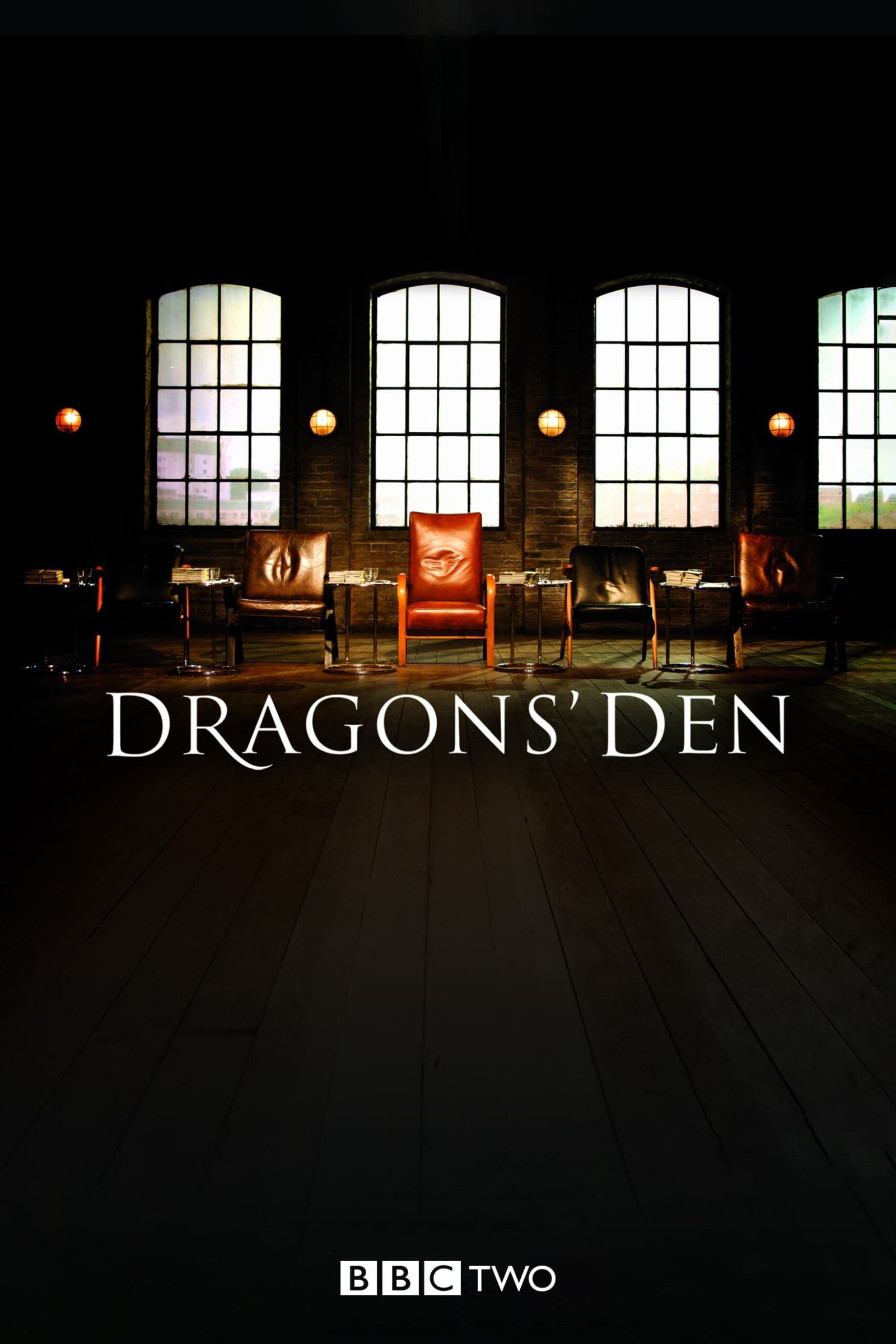
The elevator doors opened with the quiet menace of a casino vault unlocking at midnight. Shoes tapped nervously against polished floors while entrepreneurs clutched prototypes, folders, and private desperation beneath the cold glow of studio lights. Across the room sat the investors of Dragons’ Den, expressionless and calculating, like aristocrats deciding which dream deserved oxygen and which would suffocate before dessert. The series never pretended business was purely rational. It understood that commerce is emotional theater disguised as economics. Every pitch carried the tension of a confession delivered in public.
Unlike glossy startup mythology that paints entrepreneurship as freedom wrapped in inspirational quotes, Dragons’ Den exposes the bruises underneath ambition. Founders walk into the den carrying years of sacrifice compressed into minutes. Marriages strained by risk. Savings accounts drained by prototypes. Sleepless nights powered by cheap coffee and irrational belief. One shaky sentence can collapse investor confidence instantly. One moment of conviction can rescue a deal that looked dead seconds earlier. The emotional volatility gives the show its pulse. Behind every valuation sits a human being terrified the world may not care about the thing they built.
The dragons themselves operate like competing philosophies of capitalism. Some chase margins with predatory precision. Others hunt instinct, charisma, or emotional resilience. Deborah Meaden often studies entrepreneurs with the careful attention of someone evaluating character beyond spreadsheets. Peter Jones projects calm authority while quietly dissecting operational weaknesses beneath polished presentations. The audience slowly realizes something important. Investors rarely buy products alone. They buy psychology. Confidence matters. Adaptability matters. Emotional stamina matters. A founder’s ability to survive humiliation without collapsing often influences negotiations as much as financial projections.
A furniture designer named Karim El Fassi once entered a regional investor showcase carrying handcrafted chairs inspired by North African architecture. His manufacturing costs looked disastrous on paper. Several investors mocked the margins immediately. Karim nearly abandoned the pitch halfway through. Then an older investor leaned forward and asked a simple question about why he started designing furniture in the first place. Karim spoke about growing up watching his grandfather repair broken chairs during power outages while neighbors gathered around candlelight sharing tea and stories. The atmosphere in the room changed instantly. One investor later admitted the story revealed something spreadsheets could not measure: emotional clarity. Dragons’ Den thrives on those moments when commerce stops feeling mechanical and starts feeling human.
The show also quietly dismantles modern obsession with scale at all costs. Many entrepreneurs enter the den convinced rapid expansion equals success. The dragons frequently challenge that assumption. A stable business with healthy margins often earns more respect than a flashy concept burning through cash like gasoline. That tension feels especially relevant in an era shaped by startup bubbles, inflated valuations, and founders performing visionary genius on podcasts before proving basic sustainability. Dragons’ Den repeatedly returns viewers to an older business truth modern culture sometimes forgets: durability matters more than noise.
There is another layer beneath the entertainment that makes the series unexpectedly revealing. Watching founders negotiate ownership exposes personal relationships with identity and control. Some entrepreneurs protect equity like sacred territory because the company represents self-worth rather than business structure. Others surrender huge percentages too quickly out of fear and exhaustion. The dragons recognize these emotional tells instantly. One investor rejected a promising founder after noticing he blamed employees for every operational problem. Another backed a struggling entrepreneur because she accepted criticism without losing composure. Leadership reveals itself most clearly under pressure. The den amplifies that reality mercilessly.
A distribution consultant named Helena Vos once described helping a family-run food company prepare for an investor presentation in Rotterdam. The founder obsessed over logo placement and slide transitions while ignoring obvious inventory problems threatening the entire operation. During rehearsal, Helena quietly asked why he avoided discussing the supply-chain issue openly. He stared at the floor before admitting he feared appearing weak. That confession changed the entire pitch strategy. Investors respected the honesty and funded the business. Helena later reflected that entrepreneurship often rewards emotional maturity more than perfection. Dragons’ Den understands this instinctively. The strongest founders are rarely the most polished. They are the ones capable of remaining psychologically flexible when reality pushes back.
Late into the evening, another entrepreneur still rehearses numbers under kitchen light while family members sleep in nearby rooms unaware how much hope now depends on tomorrow’s conversation. Somewhere else, investors review pitches while deciding which strangers deserve belief and which should return quietly to ordinary life. The city outside remains indifferent. Traffic hums. Neon flickers. Yet inside the den, dreams continue colliding with scrutiny in front of millions. That collision is what gives Dragons’ Den its enduring emotional gravity. The series reveals that business is never merely about products, revenue, or negotiation tactics. It is about the terrifying human act of asking the world to take your imagination seriously before doubt convinces you to bury it yourself.
Editorial Disclaimer: Whether a TV Show is rooted in fiction or inspired by real events, the actions, decisions, and behaviors portrayed within are not intended to be encouraged, replicated, or endorsed in real-world settings. This review exists solely to analyze the storytelling, characters, themes, and business dynamics presented in the TV Show for educational, analytical, and entertainment purposes. Any ethical or unethical conduct depicted in the TV Show does not reflect the views, values, or endorsements of ESYRITE.
