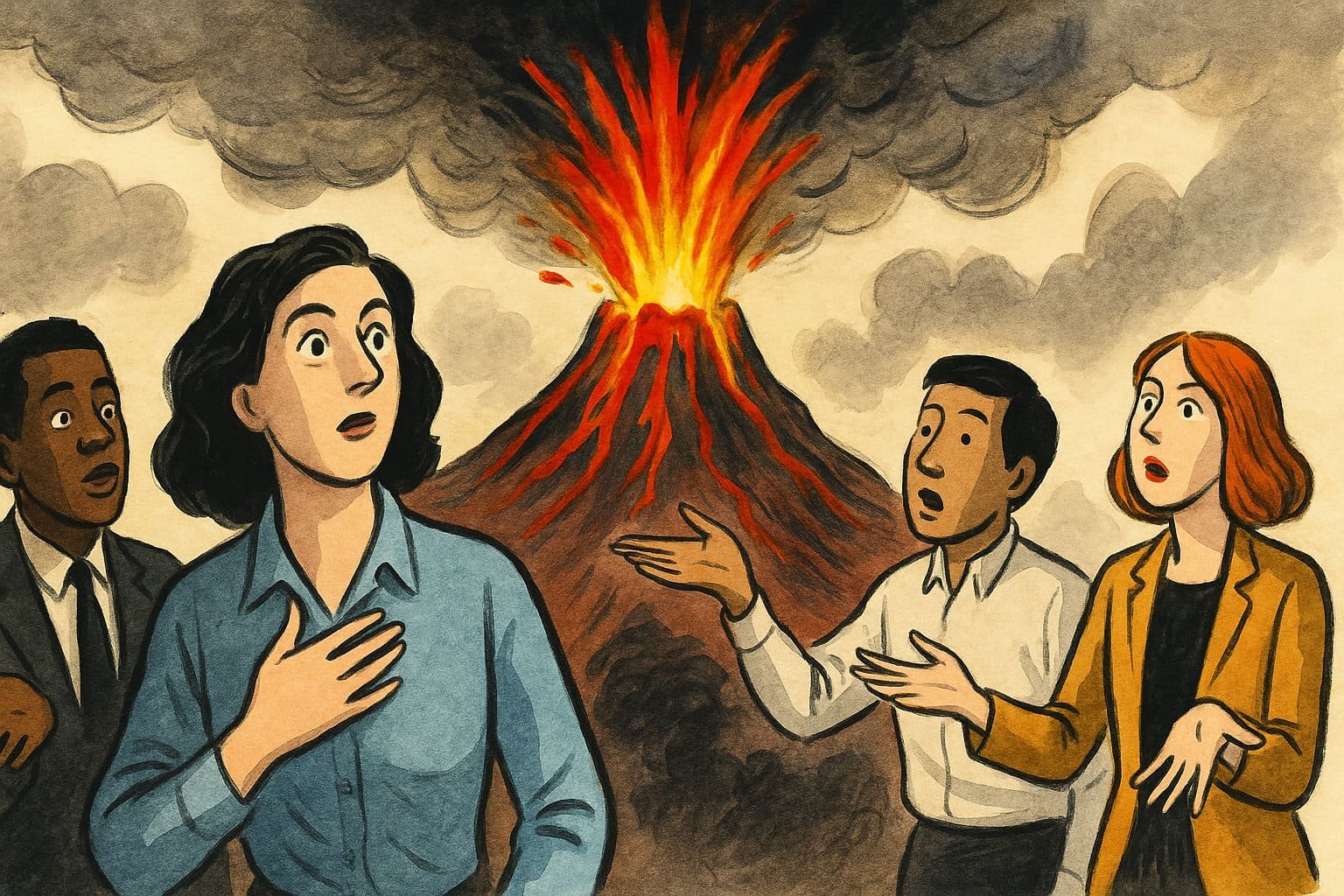
The conference room was silent after the presentation ended. Charts filled the screen, forecasts looked impressive, and every recommendation appeared logically flawless. Yet nobody seemed inspired to act. Across the table, another manager quietly asked a single question. “How is the team actually coping with all of this?” The atmosphere shifted almost instantly. Faces softened. Honest conversations began replacing rehearsed answers. In that simple moment, everyone witnessed a truth many organizations overlook. Influence rarely begins with intelligence alone. It often begins with genuine empathy that makes people feel understood before they feel managed.
Empathy is frequently misunderstood as softness in environments where speed, efficiency, and competition dominate daily decisions. In reality, it represents one of the strongest strategic capabilities a leader can possess. Understanding another person’s perspective improves communication, strengthens collaboration, and reduces unnecessary conflict. Employees become more willing to share concerns before they become crises. Customers remain loyal because they feel respected instead of processed. Far from weakening performance, empathy creates the trust required for high-performing teams to solve difficult problems together with confidence.
Modern organizations invest heavily in technology, analytics, and automation while often overlooking emotional intelligence. Dashboards reveal productivity trends, yet they cannot explain why talented employees suddenly lose motivation or why high-performing teams quietly begin falling apart. Those answers usually emerge through conversation rather than calculation. Leaders who listen with curiosity uncover valuable information that spreadsheets rarely capture. Small emotional signals, if recognized early, prevent larger organizational challenges from developing. Compassion becomes practical management rather than sentimental idealism disconnected from business reality.
Adrian directed operations at a rapidly expanding manufacturing company where production targets consistently increased each quarter. One experienced supervisor unexpectedly resigned, followed by several respected technicians. Instead of immediately launching another recruitment campaign, Adrian spent days speaking individually with employees across every shift. He discovered that people did not feel overwhelmed by the workload itself. They felt invisible. Simple changes followed. Managers began holding regular conversations instead of only discussing performance. Engagement improved because employees believed leadership genuinely cared about their experiences rather than viewing them as production statistics.
Some of the world’s most admired organizations consistently demonstrate that empathy and commercial success comfortably coexist. Microsoft transformed its internal culture under Satya Nadella by emphasizing learning, collaboration, and empathy alongside innovation. Customers noticed better products because employees experienced healthier relationships. The lesson extends beyond technology companies. Organizations treating people with respect often outperform competitors over time because trust strengthens adaptability, creativity, and resilience during periods of uncertainty. Human connection quietly becomes an enduring competitive advantage difficult for rivals to duplicate.
Popular culture often celebrates leaders who appear emotionally detached, decisive, and relentlessly tough. That image overlooks how lasting influence actually develops. Employees willingly follow leaders who acknowledge challenges honestly, listen carefully, and remain approachable during difficult periods. Tough decisions still happen. Accountability still matters. Empathy simply changes how those decisions are communicated and implemented. Respect grows because people recognize fairness even when outcomes prove disappointing. Strong leadership balances courage with compassion instead of mistakenly believing one requires sacrificing the other.
Leadership researcher Daniel Goleman helped popularize emotional intelligence by demonstrating its importance in organizational effectiveness. His work continues reminding executives that technical expertise alone rarely produces exceptional leadership. Self-awareness, empathy, and relationship management influence business outcomes every day through conversations, negotiations, hiring decisions, and conflict resolution. These abilities cannot eliminate every workplace challenge, yet they consistently improve how organizations respond when challenges inevitably arise. Emotional intelligence becomes less of a personality trait and more of a disciplined professional practice.
The office gradually grows quiet as another demanding day reaches its natural pause. Reports remain unfinished, strategies continue evolving, and tomorrow will undoubtedly introduce fresh challenges. Long after quarterly targets have been forgotten, people remember something far more enduring. They remember who listened without judgment, who encouraged growth without fear, and who recognized the human being behind every professional title. Empathy may never dominate financial statements, yet it quietly shapes every meaningful success story. The strongest leaders leave behind businesses that perform well because the people inside them were treated remarkably well.
